Italian scientists deciphered an ancient cuneiform text using microtomography.
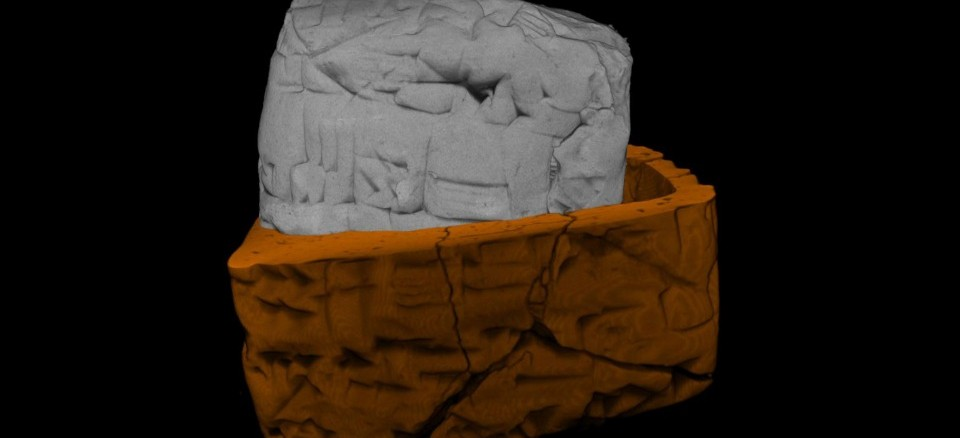
- Italian scientists used microtomography to scan sealed tablets
- The text is written in cuneiform of the III dynasty of Ur, dated to the mid-21st century BC.
- The inscriptions contain administrative records of grain distribution and taxes
In one of the museums in Florence, two small clay tablets were stored, covered with clay envelopes, on which inscriptions were also made. Until recently, their content remained inaccessible, as opening the envelopes could damage the fragile artifacts.
Italian archaeologists and physicists jointly used micro-computed tomography (micro-CT) – a method that allows for detailed three-dimensional images of the internal structure of objects without destroying them. The scanning took place in several stages: first, a series of X-ray images were obtained from different angles, and then a virtual model of the tablets and their envelopes was created using specialized software.
The obtained data revealed inscriptions on both the external envelopes and the hidden clay surface of the tablets. The text is written in cuneiform, characteristic of Mesopotamia, and dates back to the III dynasty of Ur – a period when the center of power was in the city of Ur, and the culture reached a high level of development in writing and administrative practices.
According to experts, the dating of the tablets is the mid-21st century BC. This coincides with the well-known flourishing of Ur, when there was active pottery production, trade development, and the formation of the first state institutions.
The deciphering of the text allowed scientists to establish that the inscriptions contain administrative records: mentions of grain distribution, tax accounting, and lists of workers. Such documents are a valuable source for understanding the economic and social structures of ancient Sumerian states.
The significance of using microtomography
The application of micro-CT in archaeology opens new opportunities for studying artifacts that were previously considered inaccessible. The technology allows for the preservation of original items, minimizing the risk of damage, while simultaneously providing information that is unavailable through traditional excavation methods.
The success of the Italian team confirms the effectiveness of an interdisciplinary approach that combines archaeology, physics, and information technology. It is expected that similar methods will be applied to other closed finds, expanding our knowledge of ancient civilizations.
The research results are published in a scientific journal Journal of Cultural Heritage, which details the scanning methodology, the text restoration process, and the historical context of the found records.
Source: N+1