The new drug restores liver health by acting on the intestine
- The DT-109 drug restores liver health
- It acts on the intestinal microbiota
- Studies show its potential in treating other diseases.
The new drug DT-109 restores liver health
Recent studies conducted at Michigan Medicine have demonstrated that the experimental drug DT-109 is capable of restoring liver health by acting on the gut. This drug targets the sources of liver damage associated with the gut microbiota. In particular, it reduces the levels of harmful bacteria in the gut and protects its mucous membrane, preventing inflammatory substances from entering the liver. These results open new horizons in the treatment of metabolic steatoh hepatitis (MASH), which affects about 7% of the world's population.
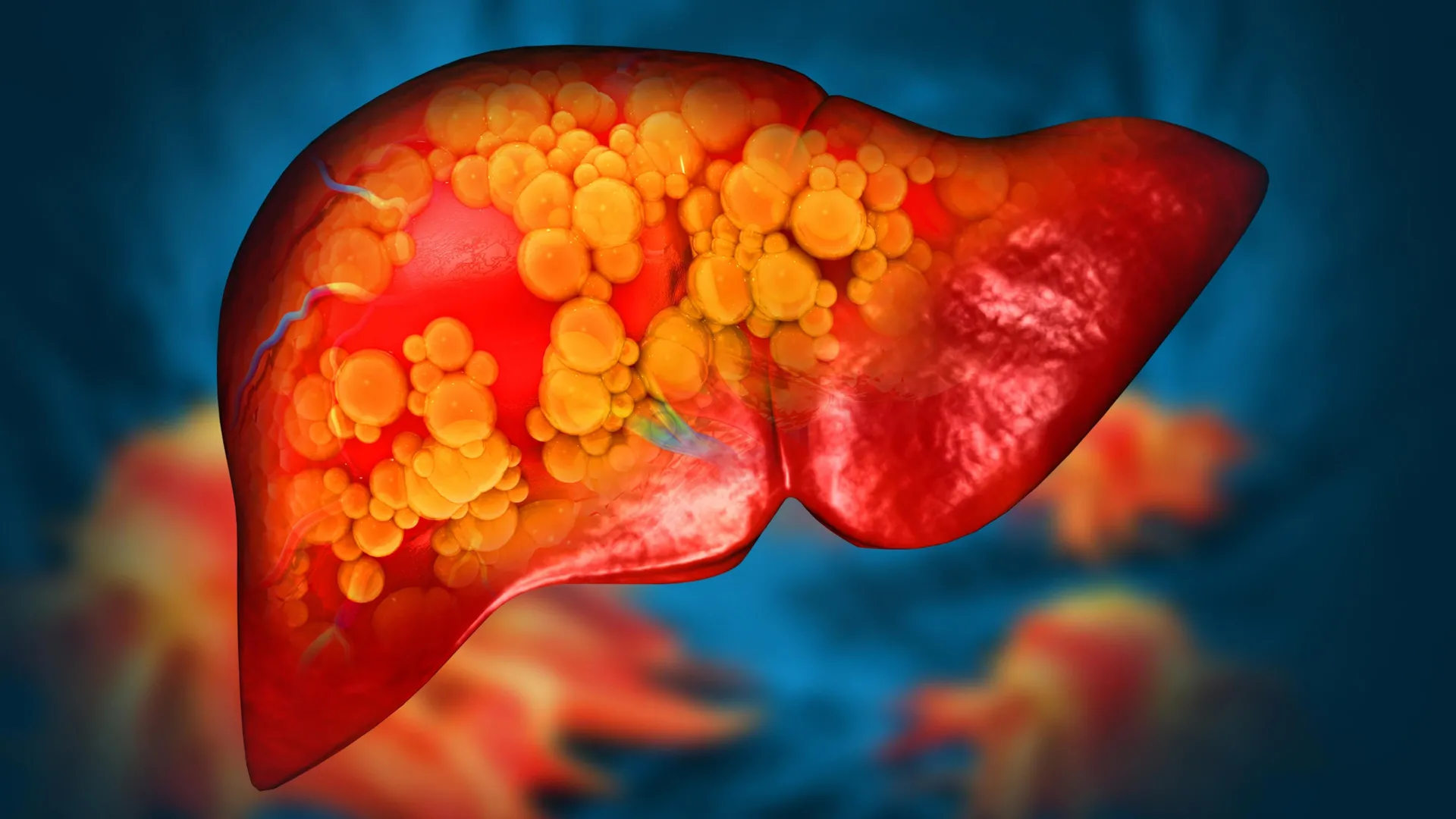
MASH is a serious form of fatty liver disease, where excess fat accumulates in the liver, causing inflammation and cell damage. If left untreated, this condition can lead to cirrhosis, liver cancer, and liver failure. Despite improvements in treatment methods in recent years, effective therapies remain limited. "We see clear evidence that DT-109 protects the intestinal epithelial barrier, reducing the systemic influx of harmful microbial products that are believed to contribute to the development and progression of MASH," noted Dr. Eugene Chen, the senior author of the study.
Research has shown that DT-109, based on the tripeptide glycine, can improve liver condition in animals. However, it was previously unclear how exactly this drug exerts its protective effects. New data explains how changes in the gut microbiota can trigger a chain reaction leading to liver damage, and how DT-109 can interrupt this process.
Mechanism of action of the drug DT-109
In experiments, scientists confirmed that the excessive growth of the bacterium Clostridium perfringens is an important factor contributing to the development of MASH. This bacterium produces ammonia in the gut, which can damage the protective inner layer of the intestine. When ammonia levels rise, it weakens the intestinal barrier, allowing toxins and other microbial products to enter the bloodstream and ultimately the liver, exacerbating inflammation and damage.
DT-109 disrupts this destructive cycle by improving the intestinal environment and strengthening the intestinal barrier. In experiments on mice and non-human primates, the drug reduced levels of Clostridium perfringens and decreased ammonia production in the gut. These changes contributed to the strengthening of the intestinal mucosa, limiting the movement of harmful microbial substances into the body and reducing their potential damage to the liver.
The results were particularly encouraging for non-human primates, whose liver biology and gut microbial communities are closer to humans than those of mice. In these animals, DT-109 reduced liver inflammation and decreased the severity of MASH. These data demonstrate how targeting harmful processes in the gut can positively impact the liver, even if the drug primarily acts in the gastrointestinal tract.
The potential of DT-109 in treating other diseases
Dr. Jianfeng Zhang, co-author of the study, noted: "DT-109 links microbiota modulation to liver protection by restoring intestinal barrier integrity and limiting systemic translation of ammonia and other pro-inflammatory microbial products in the gut-liver axis." This underscores the importance of the connection between gut health and liver health.
Researchers suggest that DT-109's ability to protect the intestinal barrier may make it useful for other conditions related to inflammation and metabolic dysfunction. It has previously been shown that DT-109 can reduce the formation of atherosclerotic plaques and prevent vascular calcification in silent primates. These results open up the possibility of using the drug to treat both liver diseases and cardiovascular diseases.
Atherosclerotic plaques are deposits of fat and other substances that accumulate within the walls of arteries, which can restrict blood flow and increase the risk of cardiovascular problems. Vascular calcification occurs when calcium accumulates in the walls of blood vessels, making them less flexible and contributing to the development of cardiovascular diseases.
The future of research and application of DT-109
Researchers are also interested in whether DT-109 can help people with inflammatory bowel diseases (IBD), such as Crohn's disease and ulcerative colitis. These chronic conditions can significantly impair patients' quality of life and require new treatment approaches.
Since metabolic disorders often affect multiple organs, the potential of DT-109 in treating various diseases could be an important step forward in medicine. Research is ongoing, and scientists hope that the results will contribute to the development of new therapies that can improve the health of patients with MASH and other related conditions.
In conclusion, DT-109 is a promising drug that could change the approach to treating liver diseases by acting on the gut. This discovery highlights the importance of the relationship between the gut microbiota and liver health, which may lead to new strategies in the treatment of metabolic diseases.
Source: ScienceDaily