Errors in the history of solar activity: train delay of the 1840s
- The investigation of the train delay in the 1840s changed the chronology of solar activity
- An error in the chronology revealed an earlier case of solar weather impact
- Solar activity has been influencing technology since its inception.
Errors in the history of solar activity: train delay of the 1840s
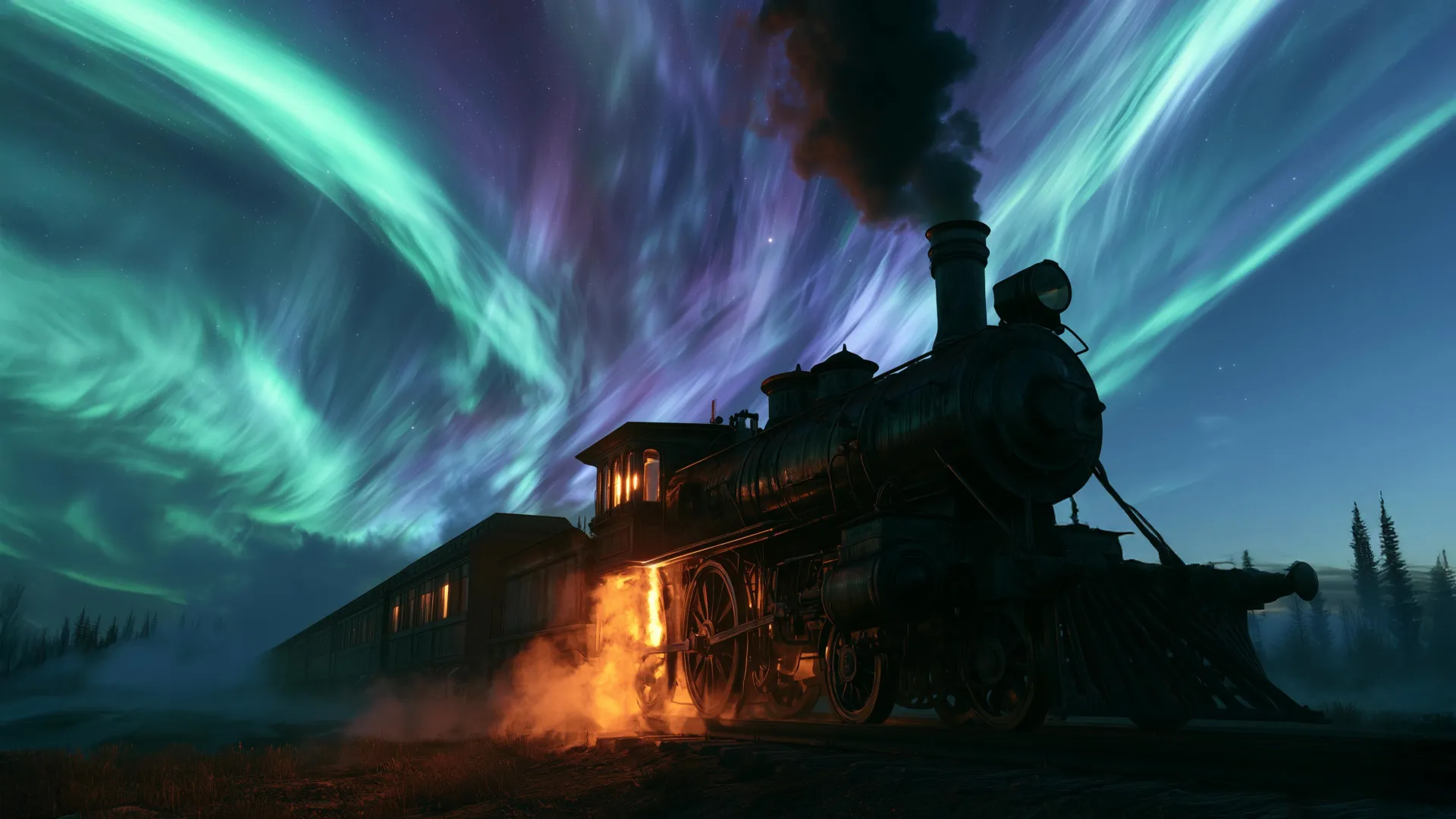
In the 1840s, there was a train delay in Exeter that was believed to have been caused by solar activity. This event became one of the first documented cases of solar weather affecting electrical technologies. A research team from Lancaster University and other institutions decided to review the historical data to determine whether solar activity could indeed have caused this delay. As a result, they found that the original chronology of events was incorrect.
The study showed that the train delay in question did not occur in 1841, as previously claimed, but in 1848. This discovery was made possible by analyzing historical documents, including train schedules and observations of solar activity. Scientists noted that in the 1840s, electrical technologies were just beginning to develop, and solar flares could have a significant impact on new communication systems.
The 1859 event, known as the Carrington event, became the most famous example of the impact of solar activity on technology. It caused widespread disruptions in telegraph networks and bright auroras. However, new research shows that the influence of solar activity on technology was observed earlier, highlighting the importance of understanding these processes in the context of the historical development of technologies.
Train Delay and Solar Activity
The study also revealed that the initial report on the train delay contained a significant error. It turned out that the Exeter-Starkcross railway line mentioned in the report was only opened in 1846, which calls into question the very fact of the delay in 1841. This discovery changes the understanding of when exactly solar activity began to affect electrical technologies.
Scientists analyzed various sources of information, including newspaper reports and observations of solar activity, to establish the correct date of the train delay. As a result, they concluded that the incident occurred on October 18, 1848, which is seven years later than previously thought. This discovery highlights the importance of accuracy in historical records and their impact on our understanding of the past.
Professor Jim Wild from Lancaster University noted that this research demonstrates that the dangers associated with solar activity began to affect society long before the advent of modern technologies. It emphasizes that solar activity is an ancient natural threat that humanity has faced throughout its history.
Review of the timeline of events
The train delay in Exeter is particularly significant as it occurred during a time when electrical technologies were just beginning to develop. Early railroad operators started to rely on telegraph systems, which created new opportunities for solar flares to interfere with critical infrastructure. This event marked an important moment in the history of the interaction between technology and solar activity.
Solar activity has always existed, but with the development of electrical technologies, its impact has become more noticeable. Scientists emphasize that understanding these processes is crucial for assessing the risks associated with solar weather in the modern world, where technology plays a key role in everyday life.
The study also raises questions about how historical events can be misinterpreted due to errors in records. This highlights the need for careful analysis of historical data and its context to avoid misunderstandings in the future.
The influence of solar weather on technology
The influence of solar activity on technology remains a relevant topic for research. Scientists continue to study how solar flares can affect modern communication and power systems, making this research particularly important for understanding the risks associated with solar weather.
Thus, the new study not only corrects a historical error but also emphasizes the importance of solar activity in the context of technological progress. This discovery may impact further research in the field of solar physics and its influence on technology.
In conclusion, the train delay in Exeter in 1848 became an important example of the interaction between solar activity and technology. This event highlights that solar weather has been a long-standing threat that humanity has faced throughout its history, and it is important to consider this influence in the future.
Source: ScienceDaily