A simple liquid treatment can stop cavities without drilling, confirms a major study
- Silver diamine fluoride can stop cavities in children
- The study covered 830 children under the age of 6
- The method does not require drilling or anesthesia
Silver diamine fluoride: a revolution in cavity treatment
A recent study conducted by the University of Michigan confirmed that silver diamine fluoride (SDF) can effectively stop the progression of cavities in children. In a clinical trial published in JAMA Pediatrics, 830 children under the age of 6 received treatment that showed more than half of the affected primary teeth stopped decaying after SDF application. This method takes only a few seconds to apply and does not require drilling or anesthesia, making it particularly appealing for young patients.
Silver diamine fluoride works through a combination of silver and fluoride. Silver fights the bacteria that cause cavities, while fluoride strengthens the mineral structure of teeth, preventing further decay. According to Professor of Dentistry Marguerite Fontana, SDF is a safe and effective treatment method that can be applied even to children as young as 1 year old. This is especially important considering that cavities are the most common chronic disease among children in the U.S., affecting more than 40% of children.
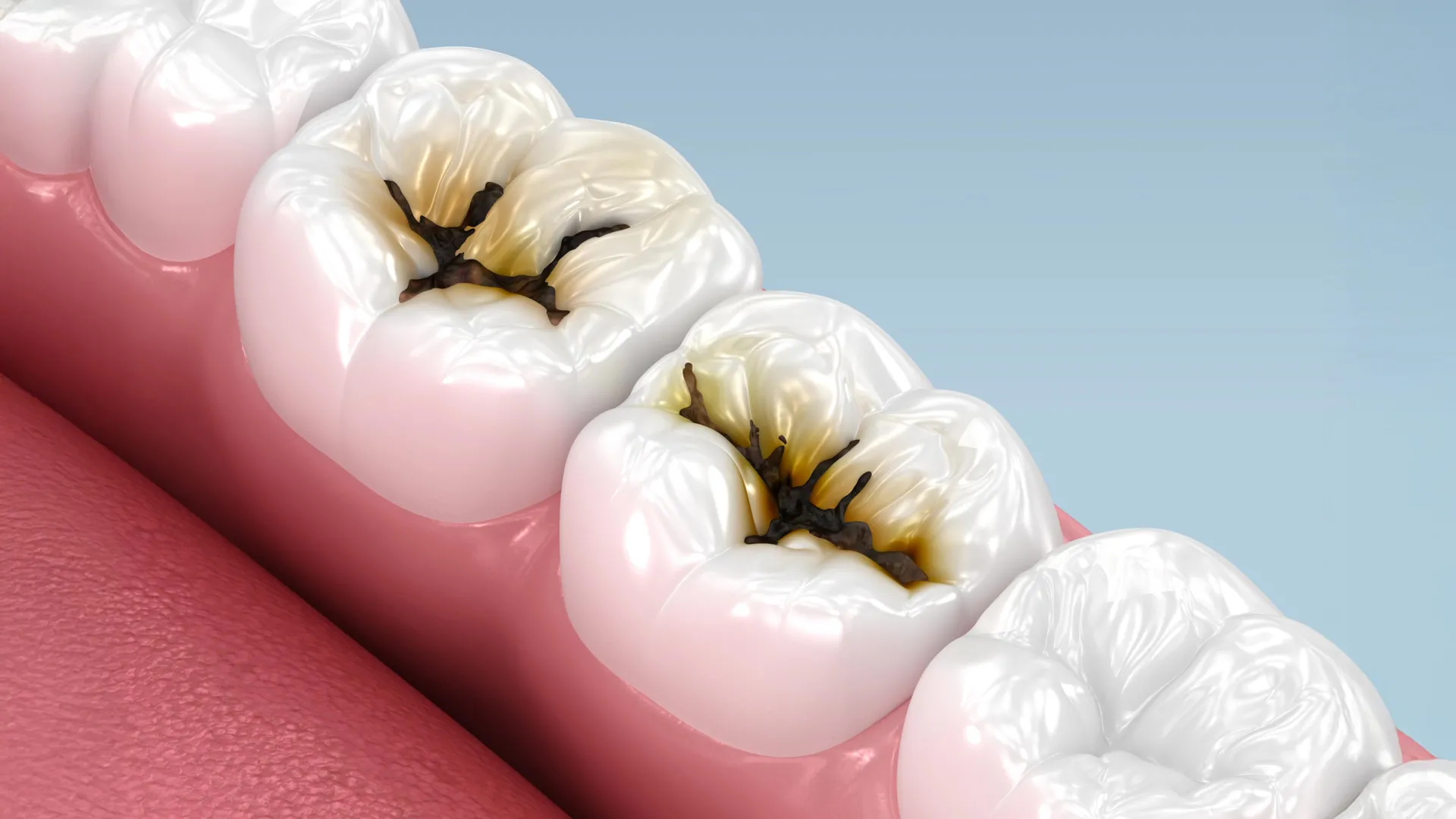
Traditional methods of treating cavities can be challenging for young children who cannot remain still or experience fear of dental procedures. SDF offers an alternative, allowing for quick and painless cessation of cavity progression. However, it is worth noting that the treated area of the tooth becomes dark, which may influence parents' decisions regarding this treatment method, especially when it comes to front teeth.
The effectiveness of the new cavity treatment method
Silver diamine fluoride is not a new product; it has been successfully used in other countries for decades. In the U.S., the FDA approved SDF as a medical device for treating tooth sensitivity in 2014. However, until recently, there was insufficient clinical data supporting its safety and effectiveness in treating cavities in American children. The University of Michigan study was an important step toward obtaining such data.
The study began in 2018 and continued despite the COVID-19 pandemic. Researchers hope that the data obtained will help expand access to SDF, including pediatric medical facilities where children often receive medical care before their first visit to the dentist. This could help prevent the development of cavities before they become a serious problem.
According to Fontana, high-quality evidence is necessary to change practice in medicine. The data collected during the study may help pediatricians recommend SDF to their patients, allowing for the treatment of cavities at early stages and avoiding more serious dental interventions in the future.
Advantages and disadvantages of using SDF
Expanding access to SDF could significantly improve dental care for children, especially in underprivileged families where access to traditional dental services is limited. This could reduce the number of cases where children visit emergency services due to unbearable pain or infections related to cavities.
Despite the obvious advantages, the use of SDF also has its limitations. The dark staining of treated teeth can cause aesthetic issues, which may become a barrier for some patients and their families. It is important for dentists to discuss these aspects with parents so they can make informed decisions.
According to research data, the application of SDF can be particularly beneficial for children with disabilities, as well as for the elderly and individuals with high levels of dental anxiety. These populations often face challenges in receiving traditional dental treatment, and SDF can be a lifesaver for them.
The future of SDF application in dentistry
In conclusion, silver diamine fluoride represents a promising method for treating caries that could change the approach to dental care for children and other vulnerable groups. However, to ensure its widespread adoption, it is necessary to continue collecting data and conducting further research to confirm its safety and effectiveness.
Considering that caries is a serious problem for children's health, the implementation of SDF may lead to a significant improvement in dental health among youth. It may also reduce the financial burden on healthcare systems related to the treatment of caries complications.
Thus, silver diamine fluoride may become an important tool in the fight against caries, especially in conditions of limited access to dental care. It is important for dentists and pediatricians to work together to provide children with the necessary care and prevent the development of serious dental problems.
Source: ScienceDaily