Zack Cregger explained his frustration with the debates surrounding the Resident Evil movie
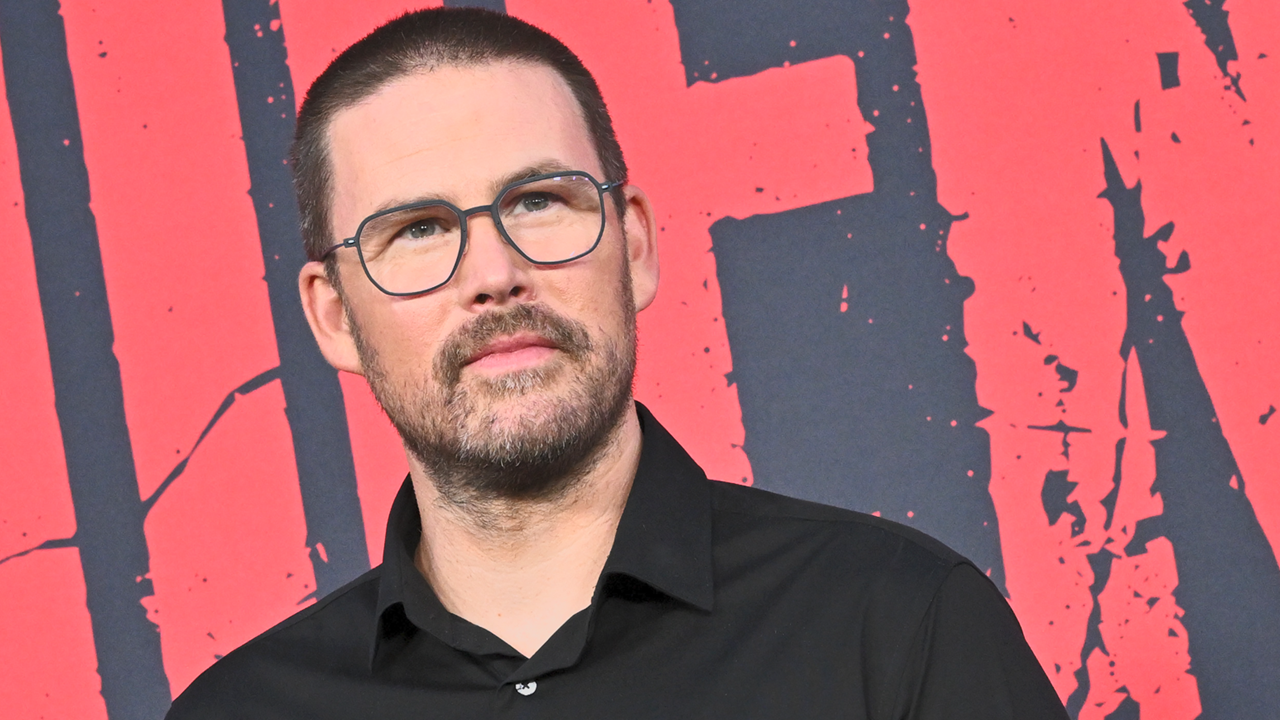
- Cregger was frustrated that the discussion of Resident Evil focused on faithfulness to the games rather than the film.
- The film opened with $108 million and later surpassed $400 million worldwide.
- The director floated ideas for a sequel, but said he wanted to step away from franchises; his next film is The Flood.
Debates over faithfulness to the games overshadowed discussion of the film
Zach Cregger, director of Barbarian and Weapons, explained why discussion of his Resident Evil adaptation frustrated him. On the podcast The Town with Matthew Belloni, he said that, in his view, much of the conversation wasn’t about the film itself. The focus was on fans’ expectations and whether the movie matched their ideas about the familiar series, rather than on how the new cinematic story worked.
Cregger listed the questions that shaped the discussion: whether the film featured familiar characters, what exactly it changed about the lore, and how closely it followed the source material. Some viewers asked why the film wasn’t more like the games, while others debated whether it was a good thing that it differed from them. The director felt that this kind of discussion left too little room to assess the film as a work in its own right and consider its creative choices.
Before the premiere, critics and skeptical viewers debated where Leon was, why it was snowing in Raccoon City, and why Austin Abrams’s character had a smartphone. Cregger explained that he had taken creative liberties to make the film better, but that did little to ease fans’ concerns: they wanted to see familiar faces and places on screen. He later admitted he had been naive to expect the discussion to take a different turn.
The film performed strongly at the box office
Concerns about the film persisted even as its release drew closer, with some viewers still unsure how the final version would turn out. The film premiered on September 18, and the reception that followed was better than critics might have expected before its release. Cregger himself says he loves the film and is proud of it. That doesn’t erase the pre-release conflict, but it highlights the gap between the concerns surrounding the adaptation and how the film was received once it came out.
At launch, Resident Evil grossed $108 million worldwide. Against a reported budget of $75 million, this debut was described as a successful start, but the box office didn’t stop there: audiences continued to show up in the following weeks. By the end of Halloween weekend, the worldwide total had surpassed $400 million. These figures point to notable commercial success, though on their own they don’t reveal the film’s full financial picture.
The film received good reviews, with IGN giving it a score of 8 out of 10. The piece also notes that general moviegoers were largely positive about the snow-covered version of Raccoon City. This reception coexisted with loud criticism from some fans before the premiere. So the debate around the adaptation shouldn’t be taken as a unanimous reaction from the entire audience: the source describes different groups and different stages of reception.
A continuation is possible, but not confirmed
The situation highlighted a practical tension faced by a filmmaker adapting a well-known video game franchise: fans expect familiar details, while the director wants to give the story a shape of his own. In Cregger’s case, debates about the characters and lore overshadowed discussion of what the film itself had to offer. At the same time, the source does not claim that the director wanted to completely sever its ties to the games; the issue was creative departures and clashing expectations.
Cregger does not hide the fact that the discussion proved harder for him than he had expected. He acknowledges that he should have anticipated how much the conversation would focus on the film’s relationship to its source material, but he was still surprised. The experience may influence his choice of future projects: the director has said that after Resident Evil, he will probably avoid films based on existing franchises, because he does not want to keep carrying the weight of their expectations.
The question of a sequel remains open. Cregger has confirmed that he had ideas for Resident Evil 2, but has also said he wanted to step away from franchises after the first film came out. He has not announced that a sequel is in development, nor said he has decided to return to the series. His position is summed up by the phrase “never say never”: the possibility has not been ruled out, but there are no concrete plans, dates, or confirmation of his involvement so far.
Cregger’s next project is the original film The Flood
For now, attention is shifting to the director’s next project, The Flood. It’s a sci-fi thriller that Cregger is writing, producing, and directing; Jennifer Lawrence, known for The Hunger Games, is set to star. The film is scheduled to premiere on August 11, 2028. Unlike Resident Evil, The Flood is described as an original film, so for now it represents Cregger’s stated move away from working with existing video game properties.
Strong box-office performance could make the director’s return to Resident Evil appealing to Sony, but for now that’s only speculation, not an announced studio decision. Commercial success doesn’t guarantee a sequel or mean that Cregger will agree to direct one. He has expressed pride in the film, talked about ideas for a second installment, and emphasized his interest in moving away from franchises. These statements point to uncertainty, not a finalized plan.
The main takeaway from the story is the contrast between what people debated before the premiere and the film’s performance after its theatrical release. Pre-release questions focused on how faithfully it adapted the games and depicted their world, while the film received positive reviews, a score of 8 out of 10 from IGN, and more than $400 million at the worldwide box office. However, its success did not resolve Cregger’s creative dilemma or clarify the future of the series. For now, the next confirmed date on his schedule is for The Flood.
Source: IGN