How clutter in the home increases anxiety: what research says
- Clutter increases cortisol and stress levels
- Order in space improves concentration and productivity
- Excessive attachment to things can lead to OCD
- Removing unnecessary items reduces anxiety
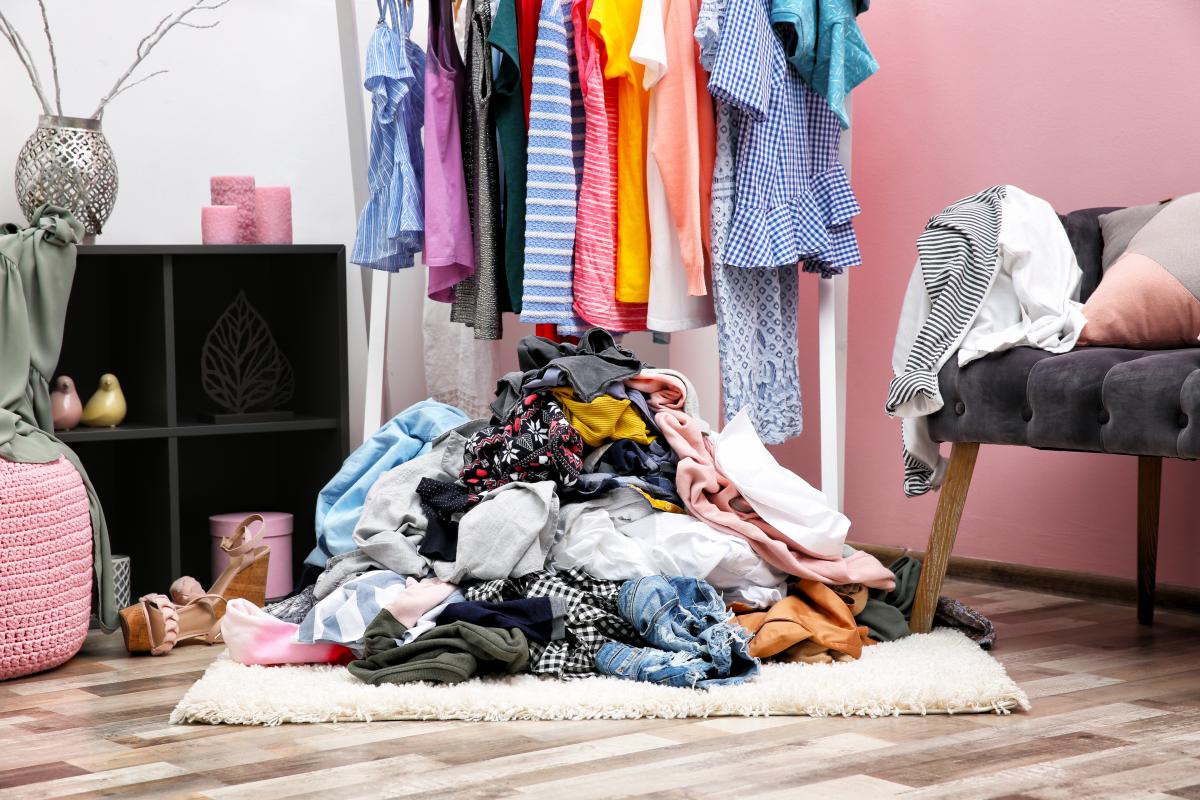
Psychologists and neuroscientists have long pointed out that physical clutter in a room can become a source of psychological strain. When there are many items in a room that lack a clear system, the brain constantly perceives them as extraneous signals that distract attention and drain cognitive resources.
A study published in Psychology Today, found that people living in cluttered homes have significantly higher levels of the stress hormone cortisol than those who maintain order. Chronically elevated cortisol is associated with a weakened immune system, increased anxiety, and a higher risk of depression.
At the Princeton Institute of Neurology, researchers studied the brain's response to order and chaos using functional MRI. It turned out that the brain prefers organized spaces: visual reminders of chaos activate areas responsible for stress control and reduce the ability to concentrate.
When the participants of the experiment cleaned their workspaces, their productivity increased, and the time needed to process information decreased. This confirms that physical decluttering of space contributes to the improvement of cognitive functions and a reduction in procrastination.
The psychological aspect of clutter is also related to emotional attachment to things. People often perceive objects as extensions of their own identity, so losing them can evoke a feeling of 'amputation.' However, excessive attachment, where even old newspapers are considered valuable, can lead to obsessive-compulsive behavior.
Materialism theories emphasize that excessive accumulation of things often compensates for inner insecurity and feelings of loneliness. Studies show that people who buy things for status are more likely to feel lonely and less happy, while family heirlooms or items associated with significant events do not have such a negative correlation.
So, simple steps – to throw away the unnecessary, leaving only what "sparks joy," as Marie Kondo advises – can significantly reduce stress levels, improve concentration, and enhance overall well-being. Regular cleaning becomes not only an aesthetic but also a psychological investment in one's health.
Source: UNIAN