Menopause does not affect the volume of gray matter in the brain — new research
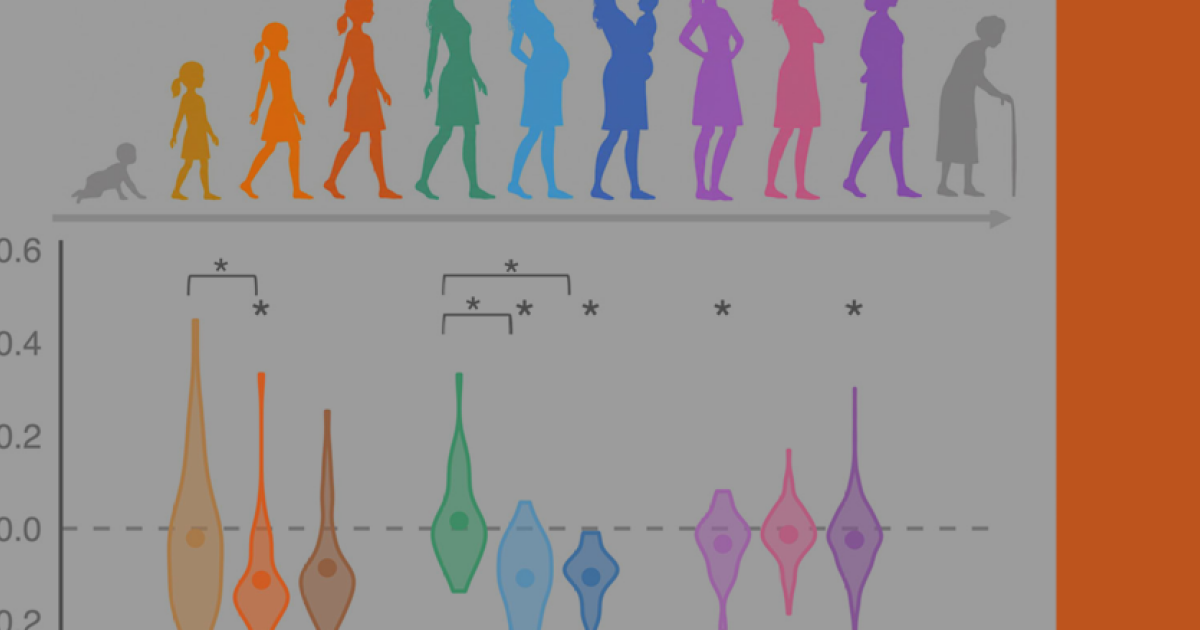
- The volume of gray matter does not change during menopause
- During pregnancy and puberty, a decrease is observed
- The study involved more than a thousand participants
- The results are published in Nature Communications
An international group of neurophysiologists from Dutch research institutions conducted a large-scale study that allowed for a reevaluation of the impact of menopause on brain structure. Contrary to established assumptions, the data obtained show that the transition of women into menopause is not accompanied by a noticeable reduction in gray matter volume.
Gray matter in the brain contains neurons and their extensions, and its volume is considered an important indicator of cognitive health. Scientists have long known that during periods of significant hormonal shifts in the body — during pregnancy and puberty — there is a reduction in gray matter volume. Such changes are viewed as part of the natural development and adaptation of the brain.
In the current study, specialists analyzed data from more than a thousand individuals, which allowed for statistically reliable results. Such a large sample size enables the exclusion of random fluctuations and the identification of significant patterns.
Menopause is a natural physiological transition associated with the age-related decline in the production of estrogen and progesterone. This period causes significant hormonal restructuring in a woman's body and is often accompanied by various symptoms — hot flashes, mood changes, and other manifestations. Despite this, the results obtained indicate that structural changes in the volume of gray matter are not an obligatory consequence of menopause.
The study is published in the prestigious international journal Nature Communications, which indicates a high assessment of the quality of the work by the scientific community. The results may help to better understand the mechanisms of brain function during hormonal changes and contribute to the development of more informed approaches to women's health during menopause.
Scientists emphasize that the absence of structural changes in gray matter does not mean a complete lack of impact of menopause on brain activity. Hormonal changes may affect other aspects of the nervous system's functioning, including neurotransmitter systems and interactions between different areas of the brain, which require further study.
Source: N+1