How to check the authenticity of a website before payment: a step-by-step checklist
How to check the authenticity of a website before payment: a step-by-step checklist
Online shopping has long become a routine: you choose a product, fill out a form, click a button — and you’re already waiting for delivery. But right at that moment, when your hand reaches for payment, it's useful to pause. Fake websites, phishing pages, and carefully disguised copies of stores look increasingly convincing. The good news is that they can be filtered out even before transferring money. Not by a single 'symptom', but by a combination of signs, just as cautious users do.
Below is a practical checklist: from a quick page check to searching for company traces on the internet. If you want, you can keep this material as a working reminder. And if you need a more applied analysis specifically for online stores, it will also be useful to know how to check an online store for reliability — the topic is covered with a focus on marketplaces.
1. Quick website check before entering data
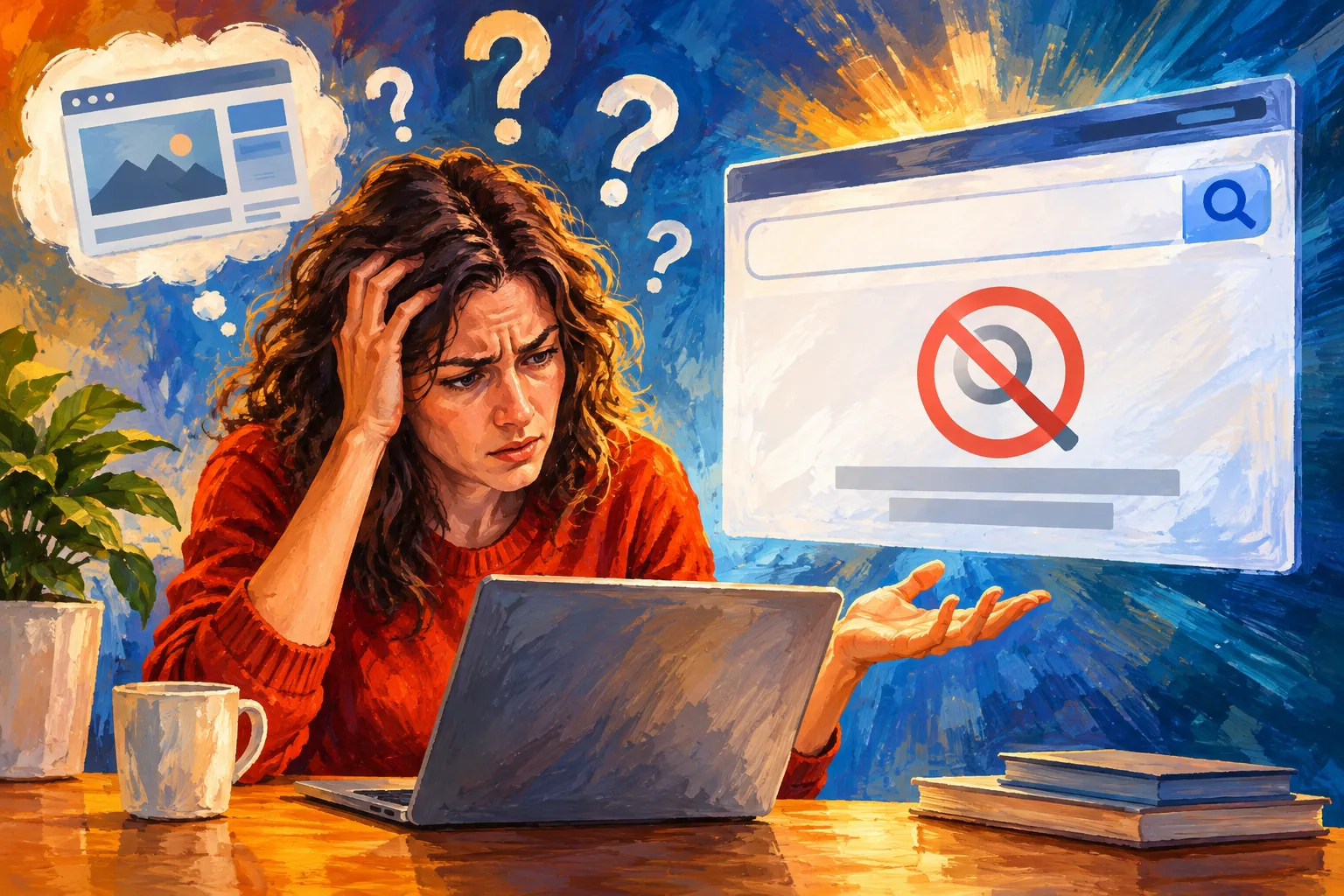
Start with the simplest things. Not with searching for reviews, not with domain registration, but with what is visible right now on the screen. Open the payment page and ask yourself a few short questions: is the website address clear, is there a lock in the browser's address bar, does the domain match the store's name, does the payment form look too poorly assembled?
A normal website usually doesn't have unnecessary haste. Everything looks coherent: brand, product, cart, delivery conditions, contacts. A questionable resource often has the opposite — a hastily assembled page, strange buttons, sudden pop-ups, auto-redirects. If something already catches your eye at this stage, it's better not to continue. Sometimes it only takes a second to avoid losing your card.
Another quick reference point is the address bar. A mistake in one letter, an extra hyphen, an unfamiliar domain zone, or a subdomain that looks like a random set of words — these are reasons to stop. Scammers love to copy well-known names with slight distortions. At first glance, it all seems 'almost the same', but it is this 'almost' that is dangerous.
2. Signs of a fraudulent website: what to pay attention to
A fake website rarely reveals itself with just one sign. More often, it is a combination of small details that create a troubling picture. For example, the text on the site may be written with obvious mistakes, but at the same time, it aggressively promises discounts that are 'only today' and 'the last chance'. Urgency is one of the favorite tactics. Users are not given time to think, compare, or verify.
Almost always, an overly generous offer is also a red flag. If the price is significantly lower than the market rate without a clear explanation, it’s worth asking: what is the reason for such a benefit? Sometimes the reason may be a sale, liquidation of stock, or a promotional campaign. But if there are no confirmations, and the site also requires prepayment, that’s a different story.
Pay attention to the legal information. A legitimate company usually has details, a return policy, terms of the offer, and information about the seller. If instead there are general phrases, minimal data, or an entirely empty 'About Us' section, it is risky to trust such a resource. The same applies to the payment method: strange fields, requests to transfer money to a personal card, payment only through a messenger, manual 'confirmation by a manager' without a transparent gateway — all of these are bad signs.
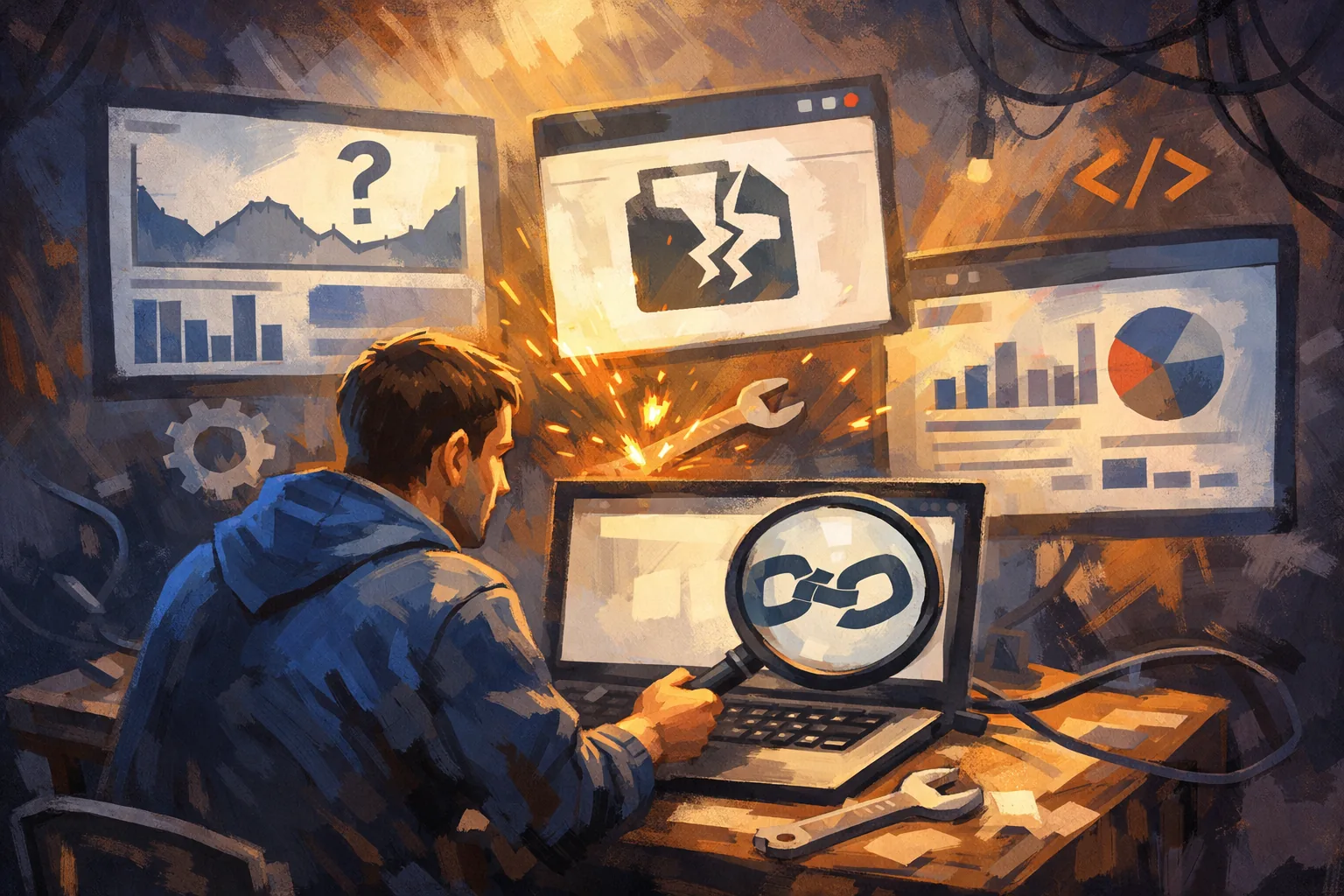
The design also says a lot. Of course, the site can be simple, without expensive graphics. But it should not fall apart on the screen: shifting blocks, non-working links, identical template images, different fonts in the same section. It gives the impression that the platform was put together in a hurry and without attention to detail. Sometimes it is just carelessness, but in the payment sphere, it is better to assume the worst-case scenario.
If you want to see what particularly aggressive or manipulative scenarios look like in general, it's useful to read not only about websites but also about ways to influence a person. For example, in the material the most brutal experiments of psychologists it is clearly visible how pressure, suggestion, and nudging towards the desired action work. In online fraud, the mechanics are often similar — only the goal is more practical.
3. Domain and details verification
If the site has passed the initial inspection, proceed to check the domain. This is not difficult and usually provides a lot of useful information. First, check the age of the domain. A completely new address is not a crime in itself, but for a store with loud promises, a well-known brand, and a 'rich history', this is already a mismatch. The domain may have been registered recently, while the site portrays years of operation.
Next is the owner and domain-related information. The data is not always fully open, but even partial verification helps. If the domain is registered to an individual, but the website states that you are dealing with a large company, you need to look for additional confirmations. Compare the company name listed on the site with what you see in official sources, documents, and the offer agreement.
Pay special attention to the details: TIN, OGRN, legal address, organization name, banking information. A mistake in one digit is not a trivial matter, but a signal. Cross-check everything not only between the pages of the site but also with official registries. If an address is provided, check if the company is indeed registered at that location. If a bank is mentioned, see if the payment recipient matches the seller's name.
Sometimes fraudsters use the data of a real company but present it in a truncated or altered form. For example, a legitimate organization exists, but it has no relation to the site. In such cases, it is useful to look for mentions of the domain, company, and phone numbers together. If the name seems official, but there are almost no traces of presence in open sources, this is a reason to be cautious.
4. How to check contact details and support
Contacts are not just a line at the bottom of the page. They are a way to understand if the business in front of you is legitimate. Start with the email. A serious company usually has a corporate domain, not a free mailbox from a popular service. An address like [email protected] looks more convincing than a random string of characters on a public email service. Of course, a corporate domain can also be visually faked, but the format itself already says a lot.
It's useful to make a test call or write an email. Not to conduct an interrogation, but to assess the response. Real support usually answers to the point: knows the product range, delivery conditions, return timelines, and can name the legal entity. On dubious sites, responses are often vague, templated, or too rushed. Sometimes you will only receive answers until the payment is made, and after that, the dialogue suddenly 'hangs'.
Check the phone and email through open sources. It happens that the same number appears in dozens of complaints, ads, forums, and fraud reports. This is no longer a coincidence. The same goes for email: if the address appears on various suspicious platforms, it does not add to its credibility.
And one more practical point: compare the communication style. In a normal service, responses are usually consistent. If one employee writes one thing, another writes the opposite, and a third has no idea what is being discussed, this is a sign of chaos. Sometimes, the quality of support can reveal more than a beautiful landing page.
5. Check payment methods and the checkout page
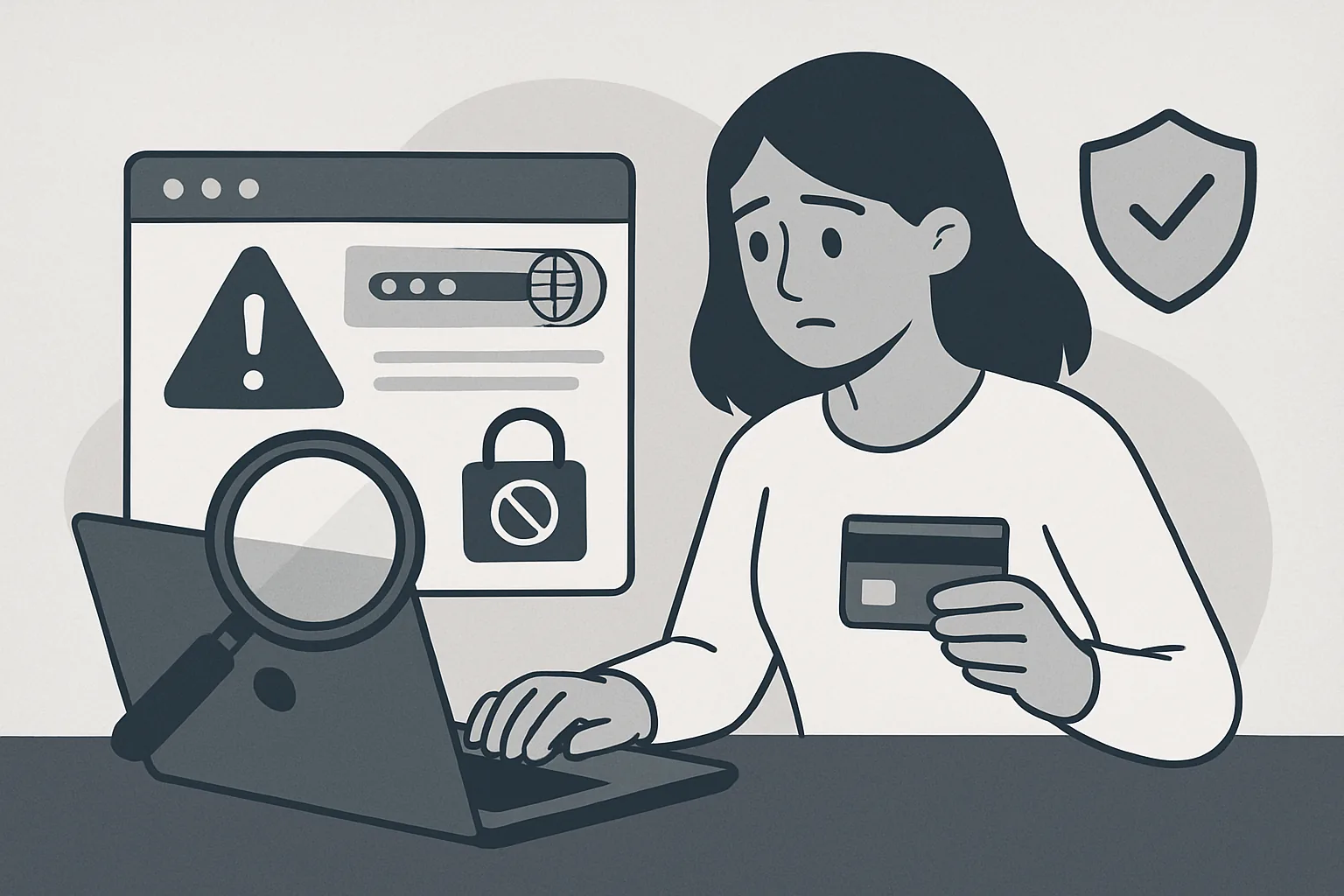
Before making a payment, don't hesitate to look at the payment form itself. HTTPS is the basic minimum, but not a guarantee of honesty. The lock in the browser only indicates the presence of a secure connection, not the integrity of the seller. Therefore, it is important to look deeper: where exactly the payment leads, what the address of the payment gateway is, whether there are any suspicious redirects, and whether the page is being altered during the checkout process.
If you are redirected to a third-party resource, it should look predictable and match the stated payment method. It is strange when a store promises one scenario, but at checkout, you see a completely different domain, an unclear interface, or a link that is not associated with the brand. Additionally, check if there is 3-D Secure and clear return conditions. For many reputable sellers, this is a standard set, while for dubious platforms, it is an unnecessary complication that they try to avoid.
Pay attention to how the order is processed. If you are asked to provide more information than necessary for the purchase, or if strange fields like 'manager code' and 'confirmation via messenger' are imposed, it is better to stop. Sometimes a fraudulent form looks almost real, but in the details, it reveals itself: unnecessary collection of personal information, non-existent delivery methods, lack of familiar return options.
Check if there are clear rules near the form. Who is the seller, who accepts the money, what to do in case of a payment error, how to cancel an order. If there is fog instead of clarity, then you have not just an inconvenient interface, but possibly a risky site.
6. Searching for reviews and traces of the company on the internet
Reviews are useful if read correctly. Start with an independent search: not only on the site itself but also in search engines, on maps, in organization directories, on social networks, and on thematic platforms. Look not at the number of stars but at the content. Real reviews are usually lively: they contain order details, timelines, delivery specifics, pros and cons. Fake reviews are often similar, overly enthusiastic, or, conversely, overly hostile and equally short.
There is a simple trick: search for the site name, domain, phone number, and email separately. If the domain is not mentioned anywhere, and contacts only appear in complaints, that is a warning sign. If the company claims to have an offline office, check the address on maps. It’s good when there are photos, directions, working hours, and real traces of presence. It’s bad when the address leads to a completely different place or an empty room.
Don't forget about social media. Even a small business usually leaves a trace there: posts, comments, stories, client mentions. A complete lack of a digital footprint is not a death sentence in itself, but combined with other oddities, it becomes a reason not to pay immediately. By the way, if you want to better understand how to distinguish truth from beautifully packaged deception, it's useful to look at the material on how to check a website for authenticity — it complements this checklist well.
7. What to do if the website raises doubts
If at least a few signs create an unpleasant picture, do not pay for the order. It's better to lose a minute than money. Save screenshots of the page, details, website address, correspondence, and payment data. This material will be useful if you have to contact the bank, payment system, or platform support.
The next step is to verify the data through official sources. Check the company, details, and domain. Sometimes at this stage, it becomes clear that the seller and the website are not connected at all or that the data is being used without permission. If you did leave contact information, pay close attention to emails and messages: scammers often continue to write after the first refusal, trying to pressure the user with a new 'urgent offer.'
If the money has already left, act quickly. Contact your bank or payment system and clarify whether you can dispute the transaction or report a suspicious transfer. The sooner you start, the more chances you have to minimize the consequences. At the same time, you can report the resource to the support service of the platform, hosting, or domain registrar if there are clear signs of fraud.
And most importantly — don't hesitate to be cautious. Caution on the internet seems boring only until the first failed payment. After that, it suddenly seems like a very reasonable habit.
8. Brief summary: a safe algorithm before payment
Before any online payment, it's useful to take a short route without rushing. It takes a little time, but it allows you to filter out most obviously dangerous sites.
- First, check the website address and payment page: domain, lock, absence of strange redirects.
- Look at the text, design, and behavior of the website: errors, urgency pressure, overly generous promises.
- Verify the company details, TIN, OGRN, address, and name with official sources.
- Check the contacts: email, phone, support responses, traces in open sources.
- Evaluate the payment form: HTTPS, payment gateway, 3-D Secure, return conditions.
- Search for independent reviews and mentions in directories, social networks, and on maps.
- If in doubt — do not pay, keep evidence and contact the bank.
The most useful skill here is not technical, but the habit of not rushing. A genuine site will withstand your scrutiny. A fraudulent one often starts to fall apart after just a first careful look. And this is perhaps the best argument for checking everything before entering your card.