Histoplasmosis and voice changes in a patient with HIV: a rare case from the USA
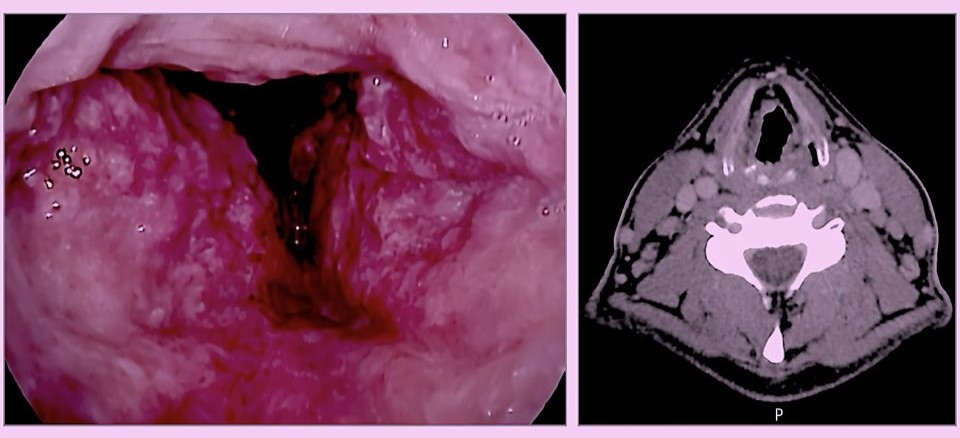
- Young HIV-positive man with voice disorder
- Endoscopy showed infiltrative lesions, suspected tumor
- Biopsy revealed disseminated histoplasmosis, confirmed HIV
A recent report from American otolaryngologists described a case of a young man who was simultaneously diagnosed with HIV infection and disseminated histoplasmosis. Both conditions were diagnosed following an examination conducted after a prolonged period of throat discomfort.
The patient consulted a doctor with complaints of gradual voice weakening and persistent throat pain that had lasted for several months. The symptoms did not respond to standard anti-inflammatory medications, prompting the doctors to look for less typical causes.
An endoscopic examination of the larynx revealed infiltrative lesions in the area of the true vocal cords. Based on the visual nature of the lesions, the doctors initially suspected an oncological or rheumatological disease, as such changes are often associated with tumors or systemic inflammatory processes.
To clarify the diagnosis, a biopsy of the affected tissue was performed. Histological analysis showed the presence of granulomas with numerous fungal elements characteristic of Histoplasma capsulatum. Concurrently, a high level of HIV-RNA was found in the blood, confirming active HIV infection.
Histoplasma capsulatum is a fungus widely distributed in the soil of certain regions of the United States, particularly in the valleys of the Ohio and Mississippi rivers. In healthy individuals, the infection usually occurs asymptomatically or as a mild respiratory illness; however, in individuals with weakened immune systems, particularly those with HIV, it can progress to a disseminated form affecting multiple organs.
Laryngeal involvement in histoplasmosis is considered a rare occurrence. The literature describes only isolated cases where the fungal infection leads to the formation of tumor-like masses in the area of the vocal cords, mimicking malignant neoplasms. This complicates early diagnosis and may delay the initiation of appropriate treatment.
After establishing an accurate diagnosis, the patient was prescribed standard therapy for histoplasmosis, including systemic azole medications, as well as antiretroviral therapy to control HIV. A key aspect of treatment is a prolonged course of medications that allows for microbiological remission and restoration of laryngeal function.
The case highlights the importance of a comprehensive approach to patients with HIV who present with atypical otolaryngological symptoms. Physicians are advised to include opportunistic infections in the differential diagnosis, even if the clinical picture resembles a tumor, to avoid unnecessary surgical interventions and expedite the initiation of antifungal therapy.
Source: N+1