Winter Sowing Flowers: 12 Plants for Spring and Summer Flower Beds
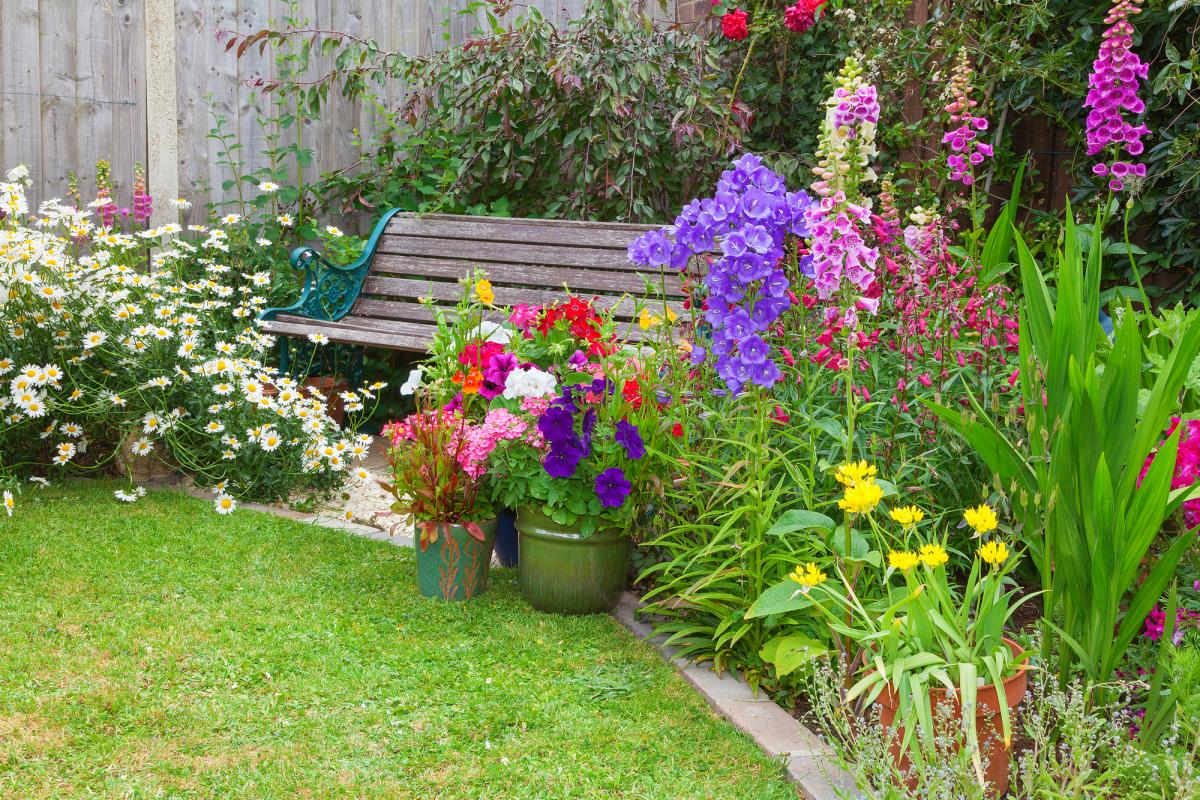
- Cold-hardy flowers are sown before winter, and some plants need cold to undergo natural stratification.
- The list includes calendula, cornflowers, California poppy, alyssum, aster, nigella, lavatera, candytuft, baby’s breath, godetia, clarkia, and poppies.
- Choose the timing based on soil conditions and the forecast: sowing in warm soil can lead to autumn seedlings that will die over winter.
Why sow flowers in late autumn
Winter sowing eliminates the need for numerous seedling trays on the windowsill: seeds are sown directly in the ground, where they remain through winter. This method is best suited to cold-hardy plants that can withstand winter conditions. The seeds may sprout naturally in spring, helping you get earlier seedlings than with spring sowing.
Overwintering in the soil is more than a way to move work from spring to autumn. Some species need exposure to cold in order to undergo natural stratification. This is an important difference between winter sowing and growing seedlings indoors: suitable seeds spend the winter in the flower bed, so the gardener doesn’t need to take up windowsill space with separate containers.
This is specifically about the possibility of sowing seeds directly in open ground, not a guarantee that every flower will produce the same results. The original list names twelve suitable plants, but some come with caveats: it is important to choose the right species or variety, consider how the flower responds to transplanting, and prepare a suitable spot. The calendar month alone is no substitute for assessing soil and weather conditions.
Which plants to choose for a flower bed
Calendula is one of the most low-maintenance options. It self-seeds readily, tolerates cool weather, and flowers for a long time: its bright yellow and orange blooms can adorn a flower bed from early summer until the autumn frosts. Annual cornflowers can also be sown directly in their permanent location. They do well in sunny spots and look lovely in naturalistic flower beds.
Sowing cornflowers before winter may result in earlier flowering than spring sowing, but the material does not promise an exact timing for every site. Eschscholzia, by contrast, should especially be planted where it will grow from the outset, as it does not tolerate transplanting well. Choose a sunny spot with loose soil. Its bright flowers come in shades of yellow, orange, and red.
Dwarf alyssum forms compact mounds with small clusters of flowers and is suitable for borders, paths, and the front of a flower bed. When sowing, take care not to bury its tiny seeds too deeply. Asters can also be sown before winter, but choosing a suitable variety and sowing at the right time is essential. They need well-drained soil where water does not stagnate.
Sowing requirements for different flowers
Nigella is well suited to mixed flower beds: its appeal comes not only from its delicate flowers but also from its unusual seed pods. The plant prefers sunny locations. Lavatera has large, funnel-shaped flowers in shades of pink and white, grows quickly, and is suitable for the back of a flower bed. It also needs a sunny spot to thrive.
Iberis forms small bushes with white or pink flower clusters and is used in borders and flower beds. When choosing seeds for autumn sowing, keep one important point in mind: only annual iberis is suitable. Gypsophila, in turn, creates a light, airy cloud of tiny flowers. It pairs well with large flowers and is suitable for bouquets.
Choose an open, sunny spot with light soil for gypsophila. Godetia is suitable for flower beds and borders, and its delicate blooms resemble small roses or bells. Color options include white, pink, crimson, and bicolor. These descriptions help match plants not only to the sowing method but also to the role they will play in the flower garden.
Timing depends on the soil and weather
Clarkia is an annual plant with delicate flowers that can be single or double. It works well in group plantings and natural-looking flower beds. Poppies can also be added to the list of flowers for autumn sowing. They need sunny spots, and because they do not transplant well, it makes sense to sow the seeds directly where the flowers are meant to grow. So choosing a permanent spot is important for both options.
The timing of late-autumn sowing in Ukraine is not tied to one exact date. The condition of the soil and the weather forecast are the main factors to consider. There is no need to rush: if seeds are sown in warm soil, they may sprout in autumn, and those seedlings could die over winter. It is therefore best to prepare the bed or flower plot in advance and sow only after a sustained spell of cold weather.
In the central regions, some flowers can be sown in November if the soil has cooled sufficiently and the seeds will not have time to sprout before frost. In colder regions, sowing begins earlier, while in the south it may be delayed. November is therefore not a universal recommendation for the whole country: local conditions remain the deciding factor. The material does not specify an exact sowing date or the outcome for any particular plot.
Source: UNIAN