The effect of wrapping a phone in foil: a scientific look at a popular experiment
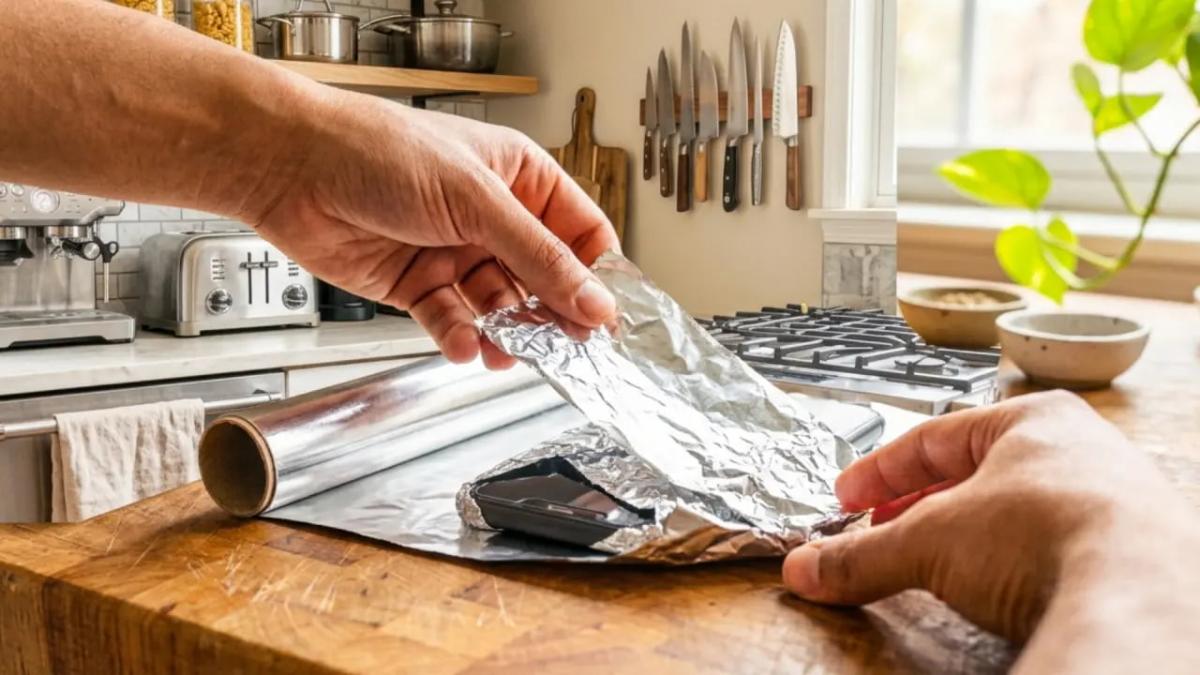
- Wrapping a phone in foil blocks signals
- It does not protect against cyberattacks
- The shielding effect is used in a professional environment
The effect of wrapping a phone in foil
The experiment of wrapping a smartphone in aluminum foil raises many questions and discussions. At first glance, it may seem strange, but this method has a scientific explanation. The idea of wrapping a phone in foil has been around for many years and is actively discussed online as a way to protect against surveillance and cyberattacks. However, as practice shows, this method is not as effective as many think.
According to technology expert Ray Malik, mobile communication, Wi-Fi, Bluetooth, and GPS use electromagnetic radio waves. By wrapping a phone in several layers of aluminum foil, one can create an effect known as a "Faraday cage." This effect allows for the blocking of radio signals, which leads to a loss of connection when trying to make a call or send a message. Thus, foil can indeed interfere with the operation of wireless technologies.
Despite this, there is a common misconception that wrapping a phone in foil protects against 5G and Wi-Fi radiation. Scientific studies have repeatedly confirmed that the radio waves used by mobile phones pose no health risk. Mobile phones emit signals at very low power levels, and radio waves are already part of our environment, so using foil to protect against them makes no sense.
Scientific explanation of the experiment
From a cybersecurity perspective, wrapping a phone in foil is also not a reliable solution. While temporarily blocking wireless connections may limit data exchange, it does not eliminate vulnerabilities in the operating system and does not protect against potential cyberattacks. Much more effective measures are regular updates of the operating system and applications, using strong passwords, and enabling two-factor authentication.
In addition, it is important to avoid suspicious links and emails that may be used for data theft. Although wrapping a phone in foil may seem like an interesting experiment, this method is practically useless in everyday life. However, the principle of electromagnetic shielding is indeed applied in a professional environment.
For example, digital forensics experts and law enforcement place seized devices in special shielding cases or Faraday bags. These accessories are made from materials with conductive properties, such as aluminum, copper, and nickel, and are designed to block wireless signals, helping to prevent remote data wiping and alteration of digital evidence.
Practical implications and myths
Interestingly, similar bags are also used at national security council meetings and other high-profile gatherings. This underscores the importance of protecting information in situations where data security is paramount. At the same time, even an unplugged microwave can demonstrate a similar effect, as its metal interior is designed to prevent microwaves from escaping.
An unusual life hack is also gaining popularity on social media, where people place aluminum foil under their television. Proponents of this method claim that it helps protect furniture from dust, makes cleaning easier, and even positively affects the television's performance. However, the scientific basis for such claims remains questionable, and it's not all that obvious.
Thus, while wrapping a phone in foil may demonstrate some physical principles, its practical value in everyday life remains dubious. It is important to understand that there are more effective methods for protecting against cyber threats and ensuring data security than using aluminum foil.
Professional application of shielding
In conclusion, the experiment of wrapping a phone in foil highlights how important it is to critically assess the information spread on the internet. Many popular tips and life hacks may lack scientific foundation and may not provide the expected protection.
Therefore, before applying such methods, it is worth consulting scientific research and recommendations from specialists in the fields of technology and cybersecurity. This will help avoid unnecessary risks and ensure reliable protection of personal information.
Ultimately, while wrapping a phone in foil may be an interesting experiment, it does not replace real security measures. It is important to use proven protection methods and stay informed about current threats in the field of cybersecurity.
Source: UNIAN