In Turkey, 25 stone turtle figurines from the Epipaleolithic era were discovered
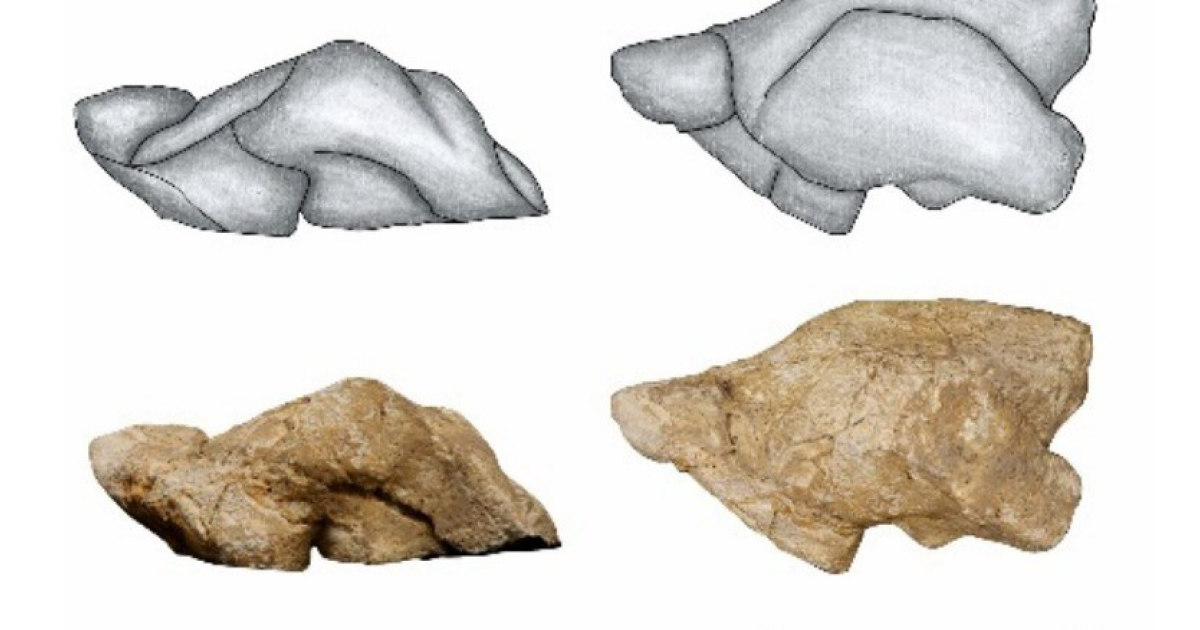
- 25 stone figurines of turtles were found in the Gedikaya cave.
- The artifacts date back 16,500 to 13,200 years ago (Epipaleolithic).
- The sculptures indicate the symbolic significance of turtles for hunter-gatherers.
- The research expands the understanding of early rituals in Anatolia.
During the summer excavations in the Gedikaya cave, located in southern Anatolia, a team of Turkish archaeologists discovered 25 small stone figurines, each depicting a turtle. According to experts, the layer in which the artifacts were found dates back to the Epipaleolithic period — approximately 16,500 to 13,200 years ago.
Context of the Era
The Epipaleolithic, or Upper Paleolithic, was marked by the transition from purely hunting communities to more settled ways of life, as people began to actively gather plant resources and form the first elements of ritual behavior. During this period, the first objects that clearly carried symbolic meaning, rather than just utilitarian function, appeared in various regions of the world.
Turkey, being a crossroads of migration routes for ancient populations, is rich in archaeological monuments that reveal the lives of people in the Late Paleolithic. Previous finds in Anatolia included flint tools, bone and stone ornaments, as well as cave wall drawings indicating developed visual communication.
The new turtle sculptures are small in size — ranging from five to twelve centimeters in height — and made from local limestone. Their shape is quite stylized: the shell is depicted with simple lines, and the limbs are schematic. Despite their simplicity, such images require intentional planning and manual labor, indicating that people possessed a certain level of artistic perception.
The turtle in the prehistoric world could play several roles. Firstly, it was one of the most common animals in coastal and river ecosystems, where hunter-gatherers found food and materials for making tools. Secondly, its durable shell could become a symbol of protection and survival, which is reflected in the ritual practices of many ancient cultures.
Comparative analysis shows that similar images of turtles are found in the archaeological layers of neighboring regions, such as Iran and the Balkans, where sculptural and engraving motifs are also noted. This indicates possible cultural exchange or similar symbolic representations among disparate groups of people.
The expedition led by Dr. Hasan Kaplan emphasized that the find expands the understanding of the symbolic life of Epipaleolithic communities in Anatolia. In their opinion, such artifacts may testify to early forms of collective beliefs related to nature and its inhabitants.
In the near future, a more detailed analysis of the stone composition of the sculptures is planned, as well as the use of microscopy to identify possible traces of paint or firing, which may provide additional information about the technology used in their creation. The results of the research will be published in specialized scientific journals.
The discovery of 25 turtle figurines in Gedikaya highlights the importance of Turkish archaeological projects for understanding the early stages of human culture, and demonstrates how even small objects can reveal deep aspects of our ancestors' worldview.
Source: N+1