Inflammatory bowel diseases increase the risk of pregnancy complications
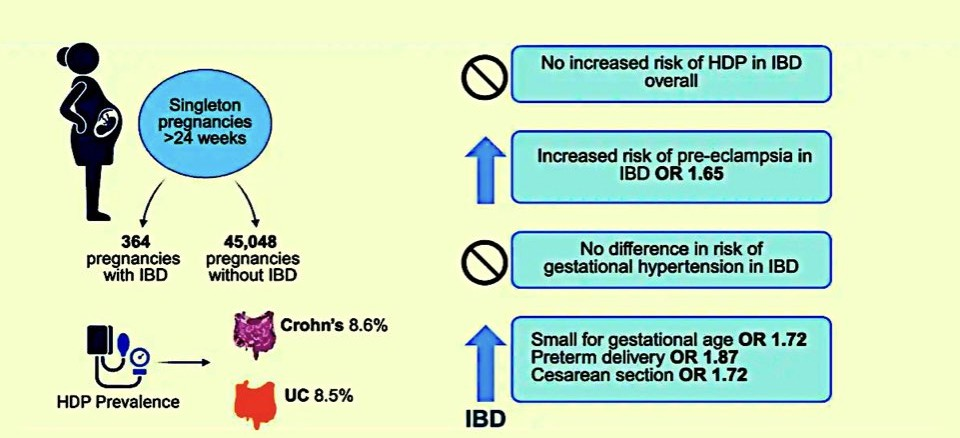
- The study links IBD to an increased risk of preeclampsia.
- Women with IBD are more likely to experience preterm labor.
- Hypertensive disorders without preeclampsia did not increase
American researchers published the results of a small study in the American Journal of Gastroenterology. The scientists analyzed data from pregnant women diagnosed with inflammatory bowel diseases (IBD), such as Crohn's disease and ulcerative colitis.
IBD are chronic autoimmune disorders affecting the digestive tract and accompanied by systemic inflammation. It is estimated that 0.5% to 1% of pregnant women face these pathologies, which require special monitoring by gynecologists and gastroenterologists.
The authors of the study found that women with IBD have an increased likelihood of developing preeclampsia – a complication characterized by high blood pressure and proteinuria after the 20th week of pregnancy. Additionally, there was an increase in cases of premature birth, when the baby is born before the 37th week.
Interestingly, the risk of hypertensive disorders not related to preeclampsia did not increase. This indicates that the inflammatory process, rather than just the increase in blood pressure, plays a key role in the development of complications in this group of patients.
Mechanisms of influence
The mechanisms of the influence of IBD on pregnancy are not yet fully understood; however, it is suggested that systemic pro-inflammatory cytokines may disrupt placental function and contribute to the premature activation of uterine contractions.
The data obtained emphasize the need for more careful monitoring of pregnant women with IBD. Doctors are advised to regularly check blood pressure, protein levels in urine, and the condition of the cervix, as well as consider the possibility of preventive use of anti-inflammatory medications under specialist supervision.
Overall, the study expands the understanding of the relationship between chronic inflammation and reproductive health. With the increasing number of women with IBD, timely identification of risk and adjustment of the birth plan can reduce the frequency of severe complications and improve outcomes for both the mother and the newborn.
Source: N+1