Effective methods for dealing with limescale in the toilet
- Baking soda and citric acid help in the fight against limescale
- Regular cleaning prevents limescale buildup
- Do not mix different cleaning agents
Effective methods for dealing with limescale in the toilet
Limescale in the toilet is a common problem faced by many households. It forms as a result of mineral deposits that remain after water evaporates. Limescale accumulates particularly quickly in areas with hard water, where mineral content is significantly higher. Over time, the limescale becomes denser and more difficult to remove, which may lead to the need for specialized cleaning products.
The most problematic areas are the bottom of the toilet and the space under the rim, where water and dirt accumulate over a long period of time. If the toilet is not cleaned regularly, limescale can form a thick layer that will be difficult to remove. Therefore, it is important not to wait until the limescale becomes too stubborn, but to carry out preventive cleaning using available means.
Before rushing to the store for specialized products, it is worth trying home methods. Baking soda and citric acid are two ingredients that can be found in the kitchen and can help in the fight against limescale. Their combination allows for effective toilet cleaning, especially if the limescale is fresh and not too thick.
Causes of limescale formation
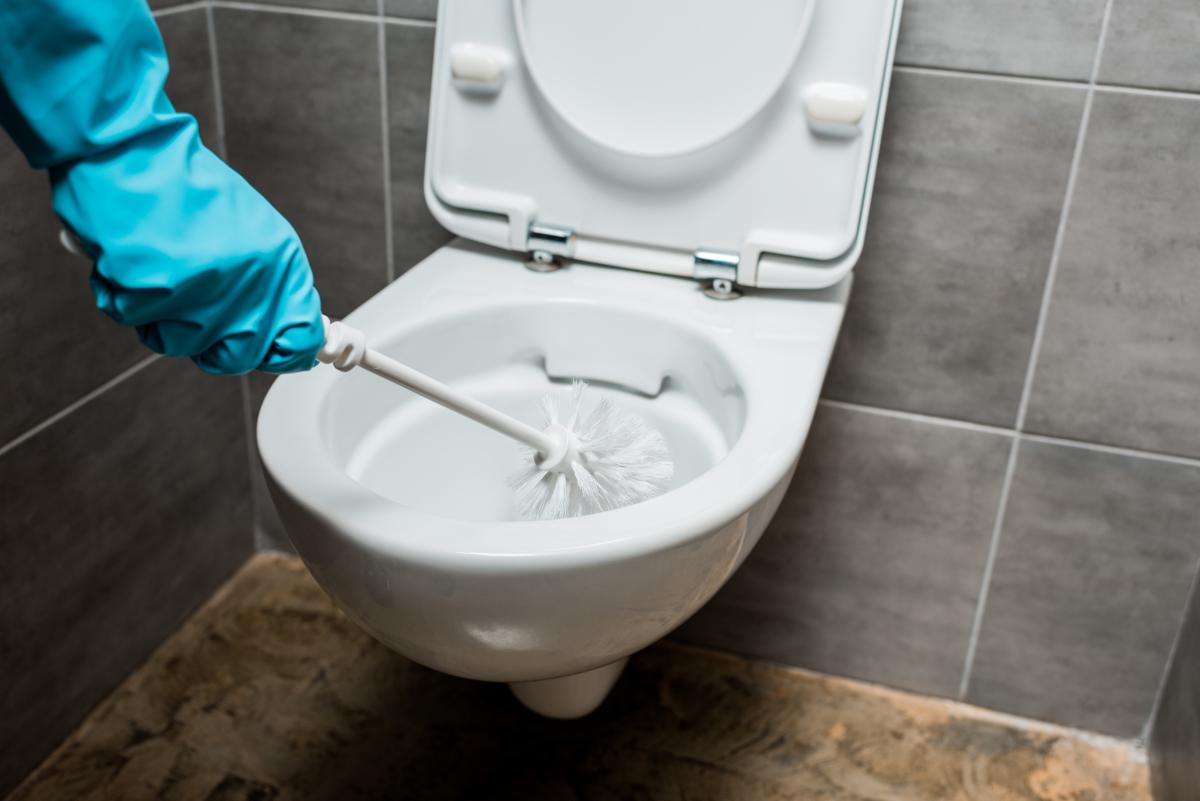
To prepare a homemade mixture, simply mix two tablespoons of baking soda and citric acid. The resulting mixture can be stored in a dry, tightly closed container. When using, it is necessary to pour one or two tablespoons of the mixture into the toilet and leave it for 15 minutes. After that, scrub the dirty areas with a brush and flush with water. However, it is important to remember that one attempt may not always be enough to remove stubborn limescale.
The chemical reaction between baking soda and citric acid produces carbon dioxide, creating a fizzing effect. However, this does not always mean that the buildup will be removed instantly. If the buildup is too thick, several attempts or the use of specialized limescale removal products, which are more effective in such cases, may be required.
It is important to remember safety when using homemade remedies. Never mix citric acid or vinegar with bleach containing chlorine, as this can lead to the release of toxic chlorine. Also, do not mix different cleaning products unless the manufacturer recommends doing so, as this can cause undesirable reactions.
Homemade toilet cleaning remedies
Regular toilet cleaning is the best way to prevent the formation of stubborn limescale. You should clean not only the bottom of the toilet but also the area under the rim, where water and dirt accumulate. Don't forget about the toilet lid and the flush button, which also require attention.
Baking soda and citric acid can be useful for daily cleaning, especially when the buildup is fresh. However, they will not replace specialized products for limescale, especially if the buildup returns too quickly. In such cases, it is worth paying attention to the hardness of the water and the frequency of cleaning.
If you notice that limescale returns quickly, it may be worth considering installing a water filter that helps reduce hardness. This can significantly decrease the amount of mineral deposits and make the cleaning process easier.
Tips for safe toilet cleaning
It is also worth noting that using homemade remedies may not be as effective for removing old buildup that has already accumulated. In such cases, it is best to use specialized products designed to combat limescale deposits.
In conclusion, home remedies such as baking soda and citric acid can be helpful for maintaining toilet cleanliness, but it is important not to forget about regular cleaning and using specialized products when necessary. This will help keep the plumbing in good condition and prevent the formation of stubborn deposits.
Thus, effective combat against limescale requires a comprehensive approach that includes both preventive measures and the use of appropriate cleaning products. Regular cleaning and attention to water hardness will help avoid many problems associated with deposits.
Source: UNIAN