Septic thrombosis of the cavernous sinus after odontogenic sinusitis: case from Japan
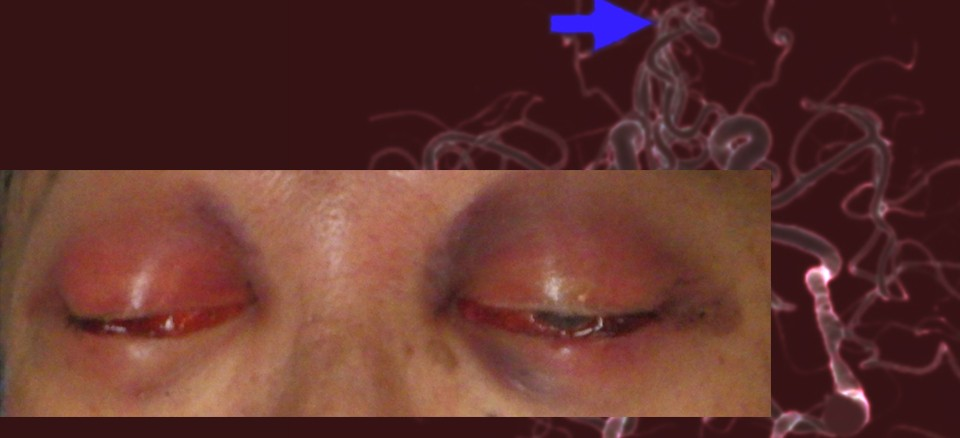
- The 50-year-old patient died from cavernous sinus thrombosis.
- The complication arose from odontogenic sinusitis.
- The thrombosis led to a subarachnoid hemorrhage.
- Death occurred 13 days after hospitalization.
In a recent report published in BMJ Case Reports, Japanese specialists described a rare but extremely severe complication of odontogenic sinusitis – septic thrombosis of the cavernous sinus. The patient was a 50-year-old man who developed an infection due to purulent inflammation of the paranasal sinus, originating from a dental focus, which spread to the venous sinus of the brain.
Development of infection
Odontogenic sinusitis is inflammation of the paranasal sinuses caused by tooth infection, often of the upper jaw molars. If timely treatment is not provided, bacteria can penetrate nearby vessels, including the cavernous sinus located at the base of the skull. In the described case, the infection led to the formation of a thrombus within the sinus, which is classified as septic thrombosis.
Clinical picture
The patient exhibited typical signs of thrombosis: severe headache, eyelid swelling, restricted eye movements, and worsening vision. A few days after hospitalization, he developed a subarachnoid hemorrhage – a complication caused by the destruction of blood vessel walls due to inflammation and thrombosis.
Despite intensive antibacterial therapy and attempts at neurosurgical intervention, the patient's condition worsened, and he passed away 13 days after being admitted to the hospital.
The significance of the case for medicine
Septicaemic thrombosis of the cavernous sinus remains a rare but life-threatening complication of dental infections. According to international studies, the mortality rate for this complication can reach 30% even with adequate treatment. The case highlights the need for early recognition of the signs of odontogenic sinusitis and immediate referral to specialists, as well as the use of modern imaging techniques, such as MR angiography, to confirm the diagnosis.
Otolaryngologists and dentists are advised to consider the possibility of infection spreading to the venous sinus, especially in the presence of eye pain, facial swelling, and neurological symptoms. If thrombosis is suspected, broad-spectrum antibiotic therapy should be initiated immediately, and the possibility of anticoagulant therapy should be considered under the supervision of neurosurgeons.
This case also serves as a reminder of the importance of preventing dental diseases, regular check-ups, and timely treatment of caries and periodontitis, which can become sources of severe systemic complications.
Source: N+1