A burial of a pregnant woman from the Mesolithic era found on a Swedish island
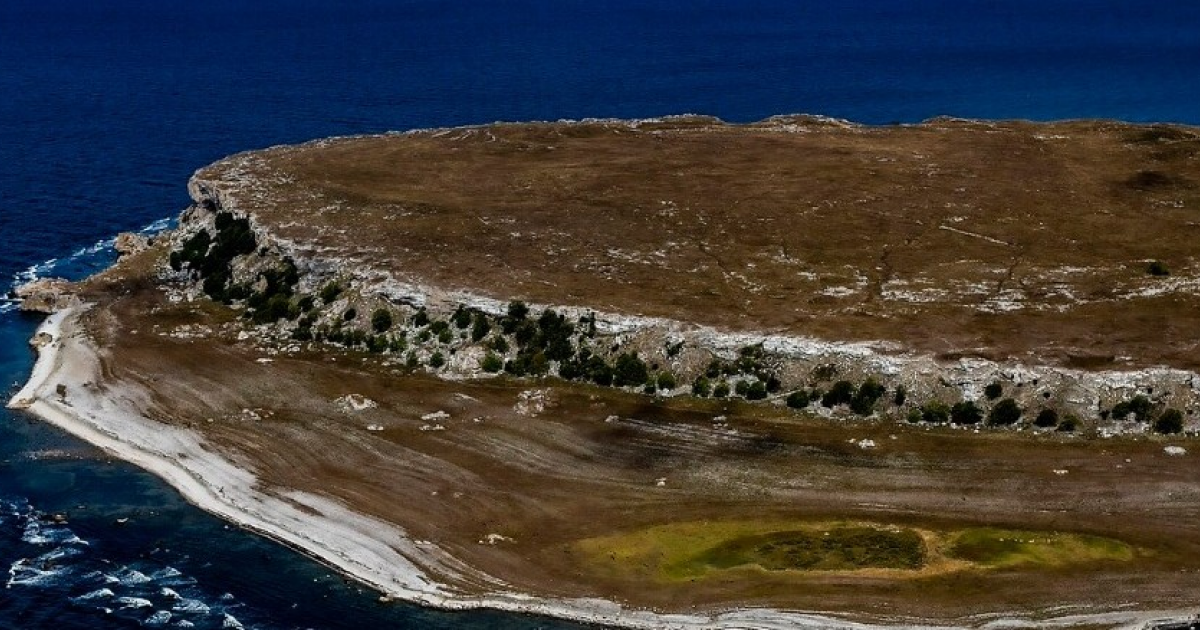
- A burial of a pregnant woman has been found on a Swedish island.
- The burial is estimated to be 8-9.5 thousand years old (Mesolithic).
- The woman died at 32-34 weeks of pregnancy.
- Such finds are rare and important for the study of prehistoric societies.
During summer excavations on a small island in Sweden, scientists discovered a burial that stands out among typical Stone Age finds. The remains belonged to a young woman who showed signs of prolonged pregnancy, but the child did not survive to birth.
Age and condition of the remains
According to the results of the anthropological analysis, the woman died approximately at 32-34 weeks of pregnancy. The estimation of the fetus's age was made based on the size of the pelvis and the remains of the fetus found near the uterus. Radiocarbon dating indicates the burial's age to be between 8 and 9.5 thousand years, placing it in the late Mesolithic – a period when hunter-gatherers were already actively settling the coastal areas of Scandinavia.
Only in a few cases have archaeologists found such 'pregnant' burials, which makes this find especially valuable for understanding the role of women in prehistoric communities. Usually, mesolithic burials contain individual skeletons without signs of pregnancy, and sometimes collective burials, but an individual burial of a woman with clearly expressed signs of late pregnancy is extremely rare.
The context of Mesolithic Sweden
At that time, the territory of modern Sweden was covered with dense forests and lakes, and its inhabitants led a nomadic lifestyle, moving in search of fish, marine mammals, and game. Burials from that period often consist of simple pits without special attributes, but sometimes they contain items made of bone, stone, or shells, indicating the ritual nature of the burial.
The discovery of a woman who died as a result of pregnancy complications allows scientists to draw conclusions about medical knowledge and social relationships in prehistoric groups. Her death may have prompted collective mourning, and the presence of a separate burial indicates a respectful attitude towards her and her future child.
Researchers plan to conduct further DNA analysis to establish genetic links with other finds from the region and clarify the migration paths of Mesolithic populations. Such data may shed light on how early inhabitants of Scandinavia adapted to the changing climate after the last ice age.
The scientific community already notes that the find expands the understanding of the demographic structure of ancient societies, where women played a key role in maintaining the group, and their reproductive health directly influenced the survival of the community.
Source: N+1