The producer of Street Fighter 6 talked about how he helped save the iconic Capcom franchise from 'death'
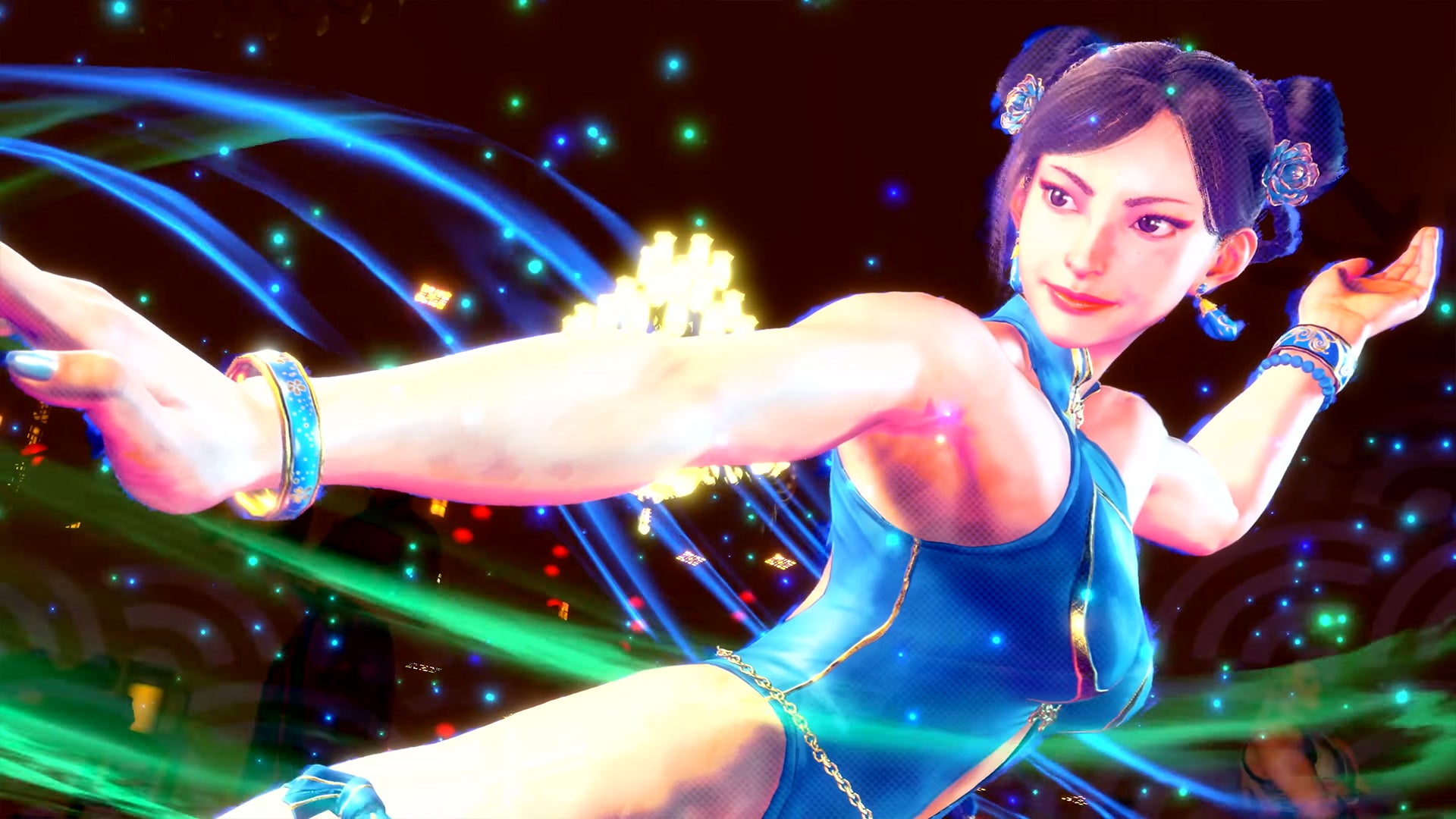
- Street Fighter 6 is saving the Capcom franchise
- The team started from scratch, focusing on youth
- The game achieved record sales and popularity
The Rescue of the Street Fighter Franchise
The Street Fighter franchise, one of the most famous in the world of video games, went through a serious crisis during the release of Street Fighter V in February 2016. The game was met with criticism for its lack of content, including the absence of arcade and story modes, as well as unstable online play. This led to many players becoming disillusioned with the project, and as a result, interest in the franchise began to wane. Shuhei Matsumoto, who became the producer of Street Fighter V at the end of its life cycle, realized that the situation required immediate action.
Matsumoto and director Takeyuki Nakayama understood that if they did not take steps to save the franchise, Street Fighter could disappear within the next decade. "If we don't do something with Street Fighter, the IP will likely die in 10 years. It was critically important," noted Matsumoto. He also emphasized that the age group of players playing Street Fighter V was mainly between 35 and 45 years old, which posed a threat to the future of the franchise, as in ten years these players would be significantly older.
Matsumoto noted that the franchise has become a "distant presence" in gaming culture, and many people knew about it but did not play. This realization became a wake-up call for the team. "We didn't know if these people would retain the same passion for the game, and naturally, everything has an expiration date," he added. This understanding became the foundation for the development of Street Fighter 6, which aimed to rekindle interest in the franchise.
The Crisis of Street Fighter V
During the development of Street Fighter 6, the team decided not to rely on the historical significance of the IP and to start from a clean slate. Matsumoto emphasized that they acted as if the current generation of players was unaware of the franchise. "We had to properly explain who these characters are and how to play, so we wouldn't take this introduction for granted," he said. This decision was key in attracting a new audience.
One of the important innovations in Street Fighter 6 was the modern control mechanism, which significantly simplified the controls for new players. Additionally, features such as the World Tour mode and Battle Hub were added, making the game more accessible. Real-time commentary from well-known personalities like Vicious and Tasty Steve also added uniqueness and engagement to the gameplay.
The Matsumoto and Nakayama plan proved successful: Street Fighter 6 became one of Capcom's most successful projects, selling over seven million copies by the summer of 2026. The game gained popularity both in Japan and abroad, attracting a huge player base on Steam and consoles. This was a significant achievement for the company, which had been going through tough times.
A new approach to development
The year 2026 was important for Street Fighter fans and Capcom as a whole. The developer released three highly acclaimed titles, including Resident Evil Requiem, Pragmata, and Onimusha: Way of the Sword. Additionally, Capcom is preparing for the release of a Street Fighter movie, which will take place on October 16, further fueling interest in the franchise.
Despite the success of Street Fighter 6, questions remain about the future of the franchise. How long will the team be able to maintain interest in the game and attract new players? Given that the gaming industry is constantly changing, it is important for Capcom to continue adapting to new trends and audience preferences.
It is also worth noting that the success of Street Fighter 6 does not guarantee that subsequent games will be equally successful. The team will need to continue experimenting with new mechanics and content to maintain player interest. It is important for Capcom not to relax and to continue developing the franchise, taking into account the experience gained during the development process.
The success of Street Fighter 6 and its impact
In conclusion, the story of saving Street Fighter from decline is a vivid example of how important it is to adapt to changes in the gaming industry. Matsumoto and Nakayama demonstrated that even in challenging conditions, it is possible to find ways to revive an iconic franchise if one acts boldly and creatively.
The Street Fighter franchise continues to be an important part of gaming culture, and its future depends on the Capcom team's ability to innovate and understand player needs. The success of Street Fighter 6 could serve as a foundation for further development and new achievements in the future.
Thus, Street Fighter 6 not only saves the franchise but also opens new horizons for Capcom. It is important for the company to continue monitoring changes in the gaming environment and to stay at the forefront to ensure the long-term success and popularity of its games.
Source: IGN