Unusual solar activity in December 2010
Now solar activity - the highest in recent years, astronomers have been observing unusual solar activity for over a week.
What consequences could this lead to? These are just beautiful photographs of the sun today.
What consequences could this lead to? These are just beautiful photographs of the sun today.
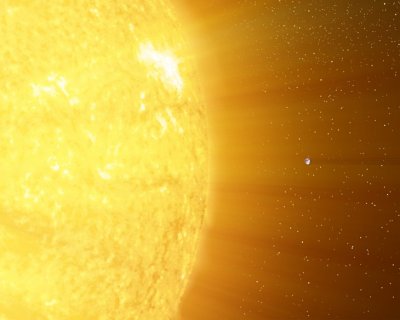
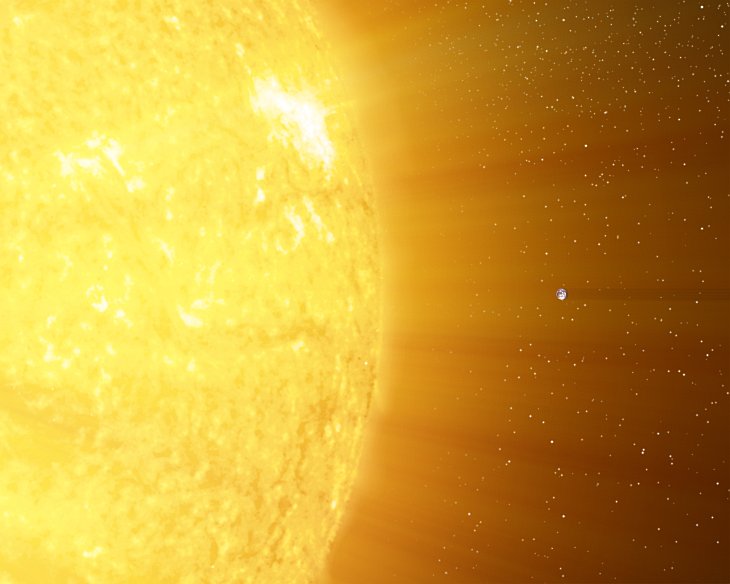
This illustration shows the relative sizes of the Sun and Earth:
On December 4 and 6, 2010, specialists from the National Aeronautics and Space Administration (NASA) recorded intense eruptions on the Sun:
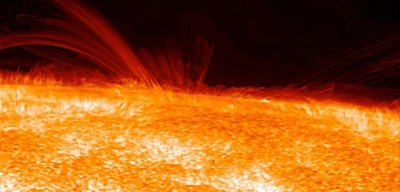
The space probe observed emissions from the surface of the star on December 4, 2010, and recorded a plasma eruption over 400,000 km long, which is more than 30 times the diameter of our Earth.
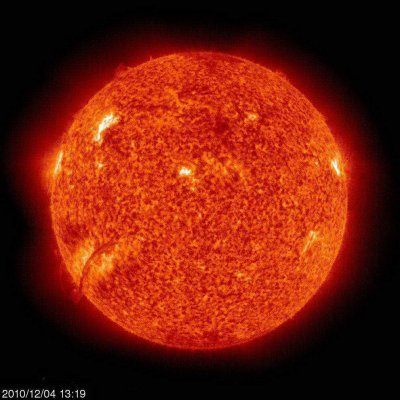
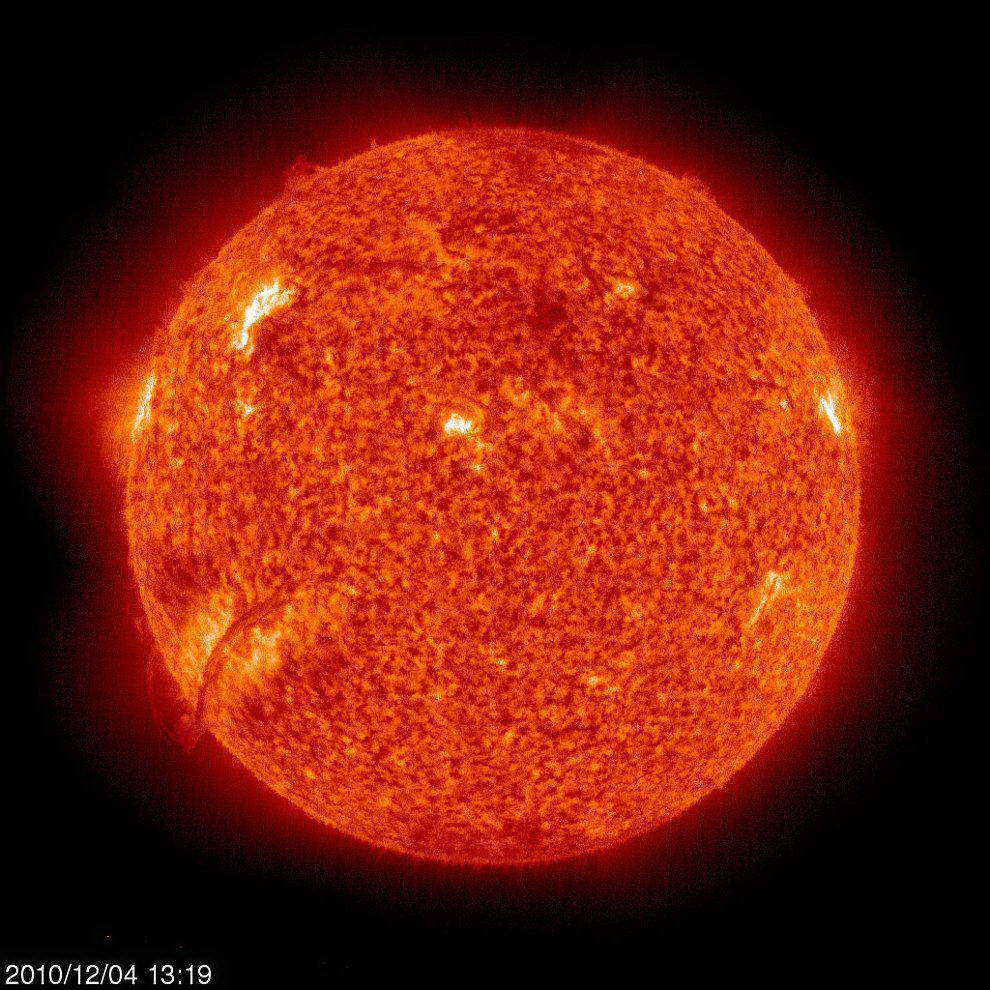
Plasma emissions on the Sun on December 4, 2010, at 13:19:
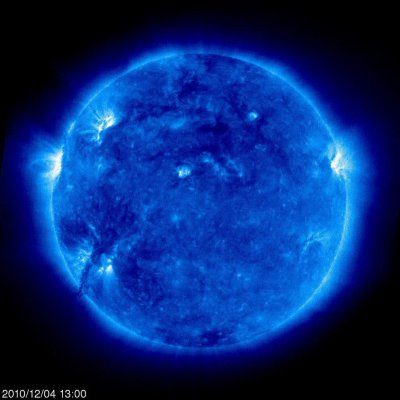
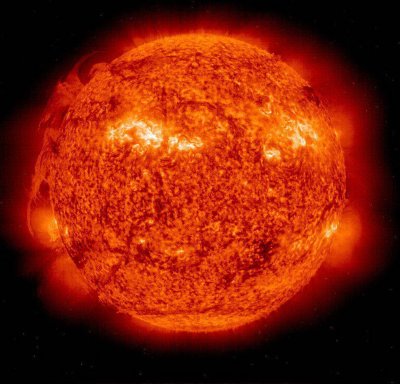
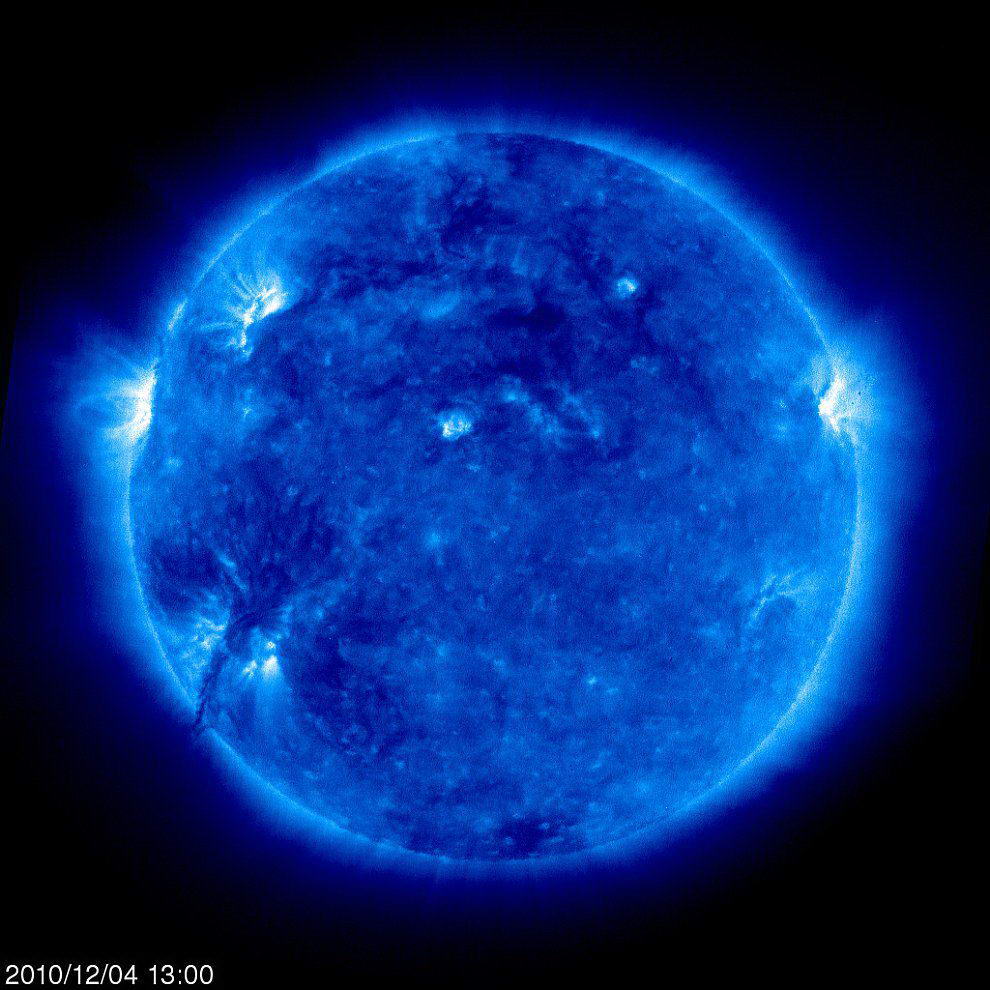
This is also our Sun, but with a different color filter. December 4, 2010, at 13:00:
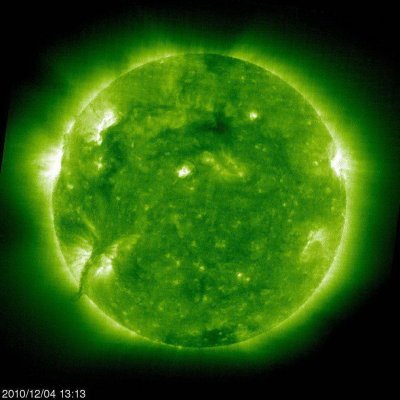
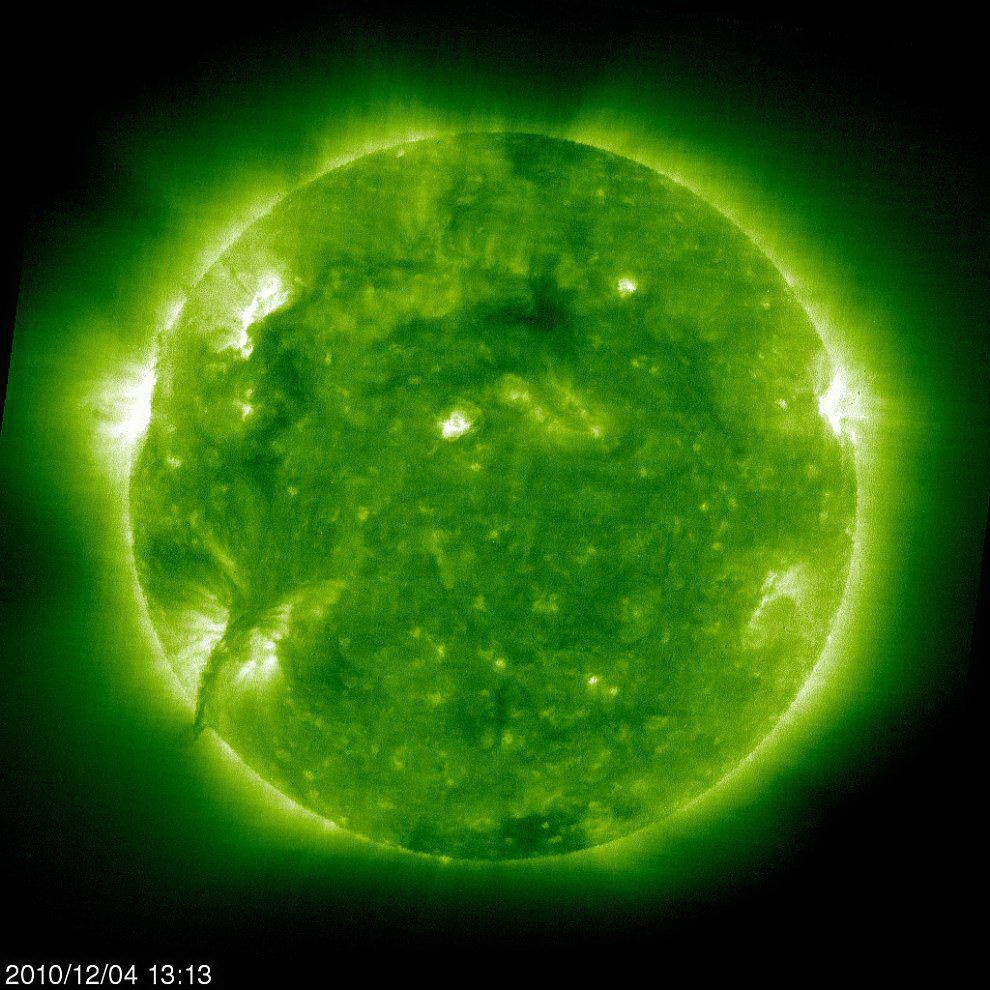
December 4, 2010, at 13:13:
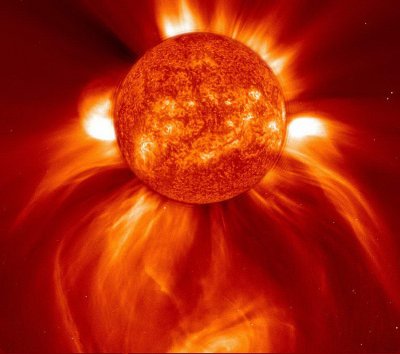
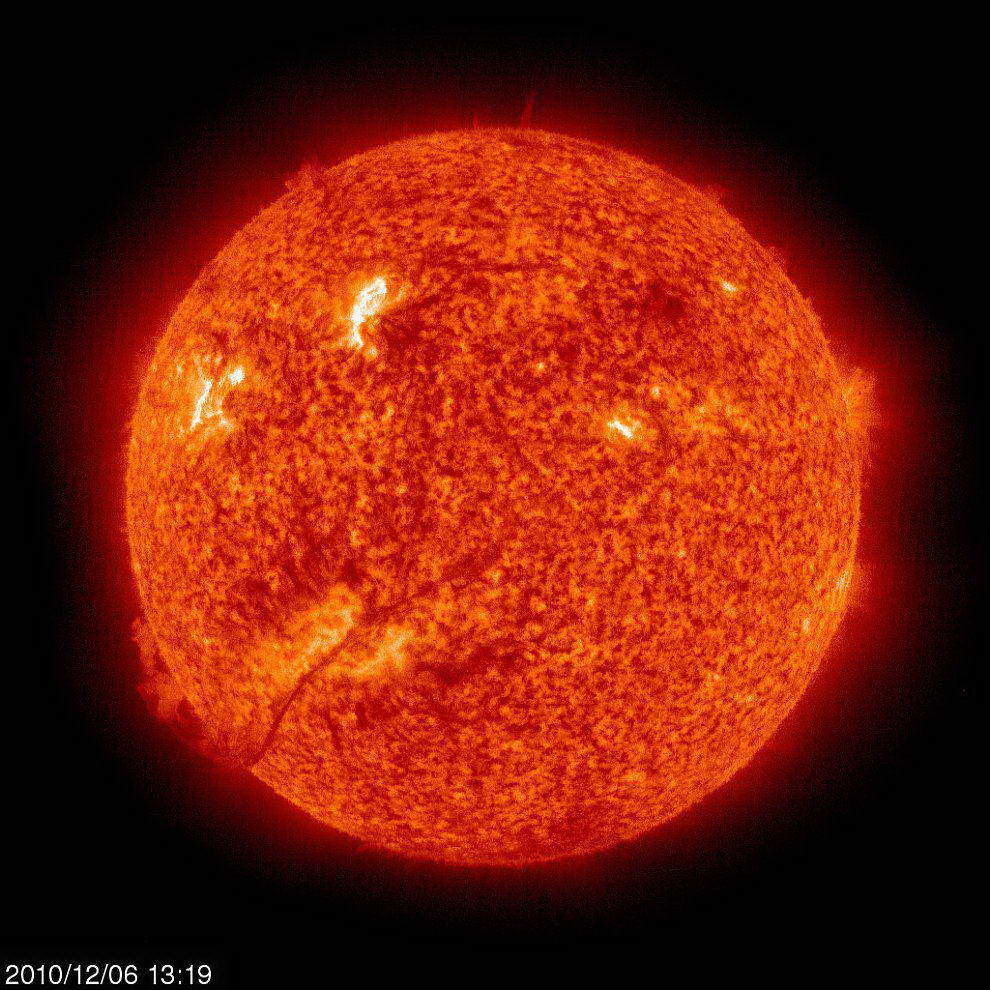
In the afternoon of December 6, 2010, the probe recorded a record coronal mass ejection 700,000 km long, which is 50 times the diameter of Earth.
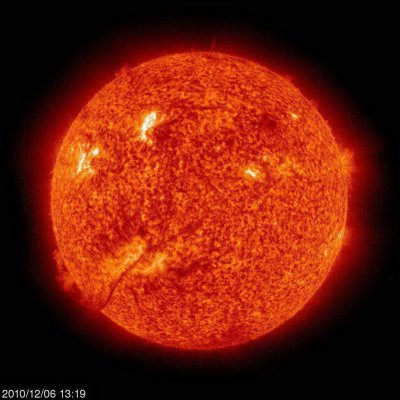
Plasma emissions on the Sun on December 6, 2010, at 13:19:
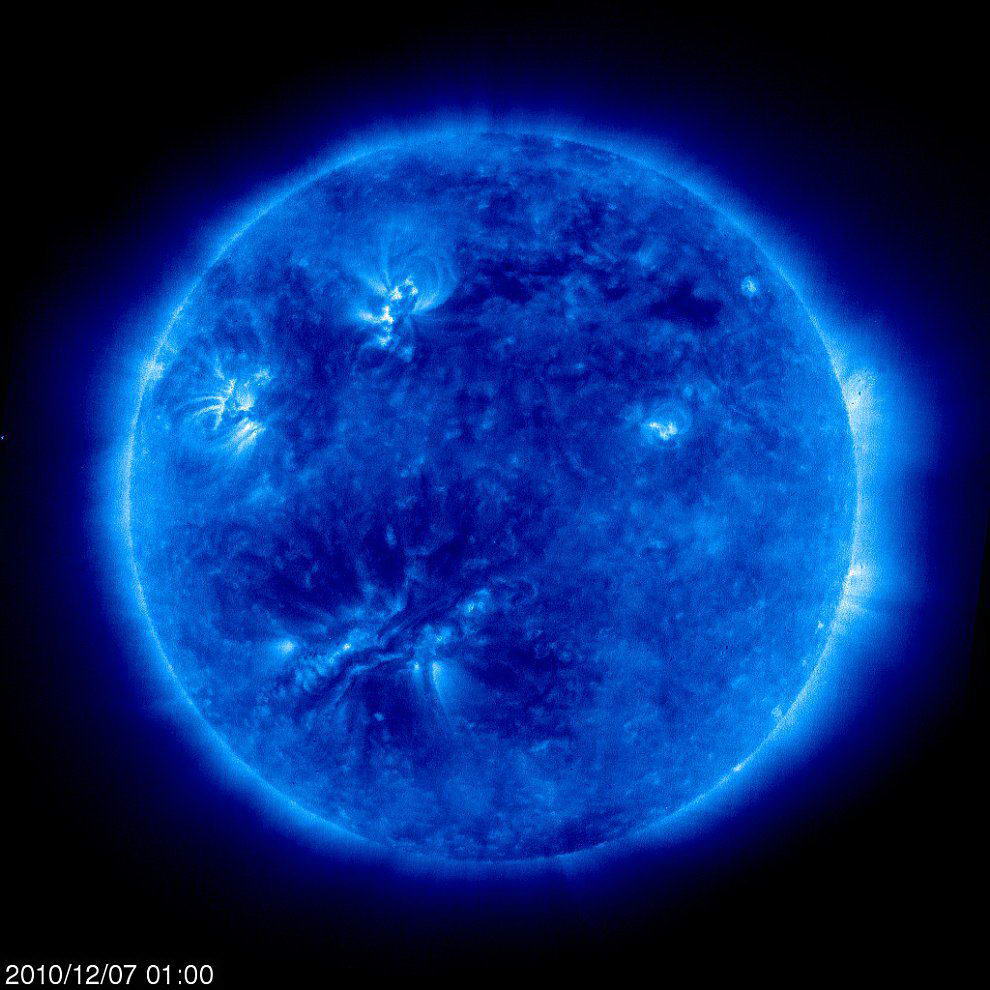
NASA warns that this plasma eruption will likely cause widespread magnetic disturbances on Earth. By the end of the week, geomagnetic disturbances will reach extremely high levels.
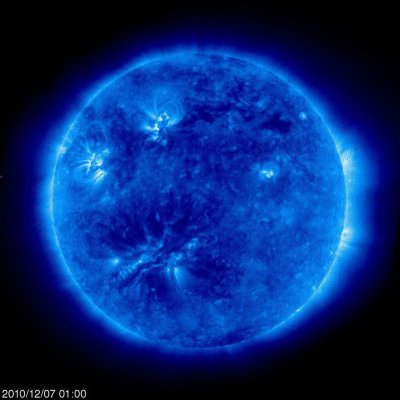
Plasma emissions on the Sun on December 7, 2010, at 01:00:
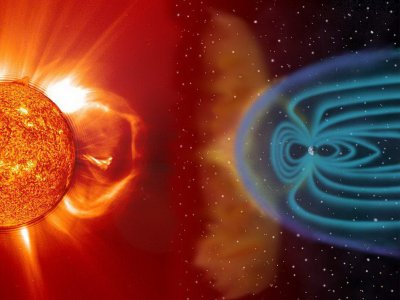
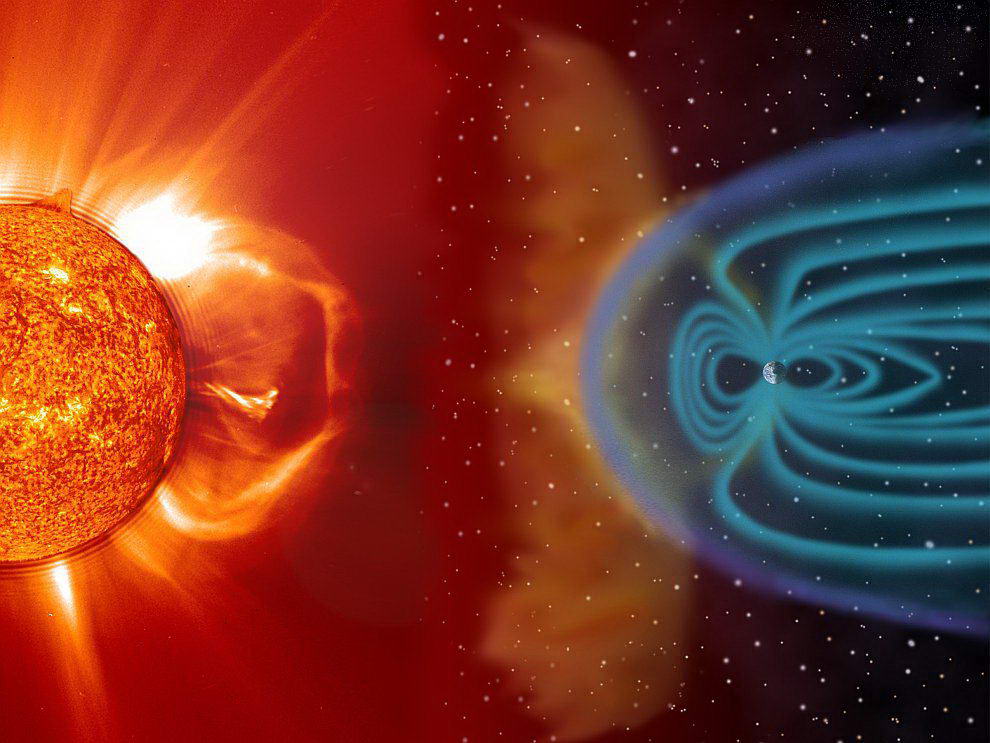
The Sun's magnetic field and plasma emissions directly affect Earth and other planets in the Solar System:
However, there is no need to be afraid — space is vast, and the percentage of charged particle streams affecting the planet's geomagnetic activity hitting Earth is not as high as the media tends to scare us with.
In these days, people sensitive to weather may experience a deterioration in their well-being. Those with cardiovascular diseases and blood pressure disorders should pay attention to their health. Depression and even mental disorders may begin.
During a magnetic storm, the risk of injury also increases; people should be more attentive to their health, mood, and overall well-being.
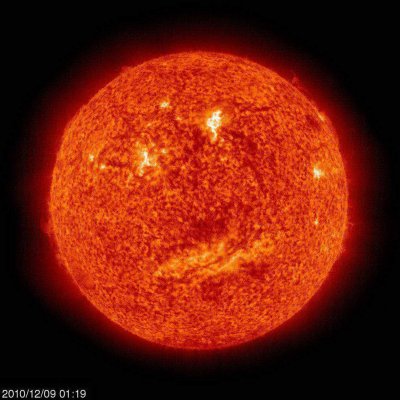
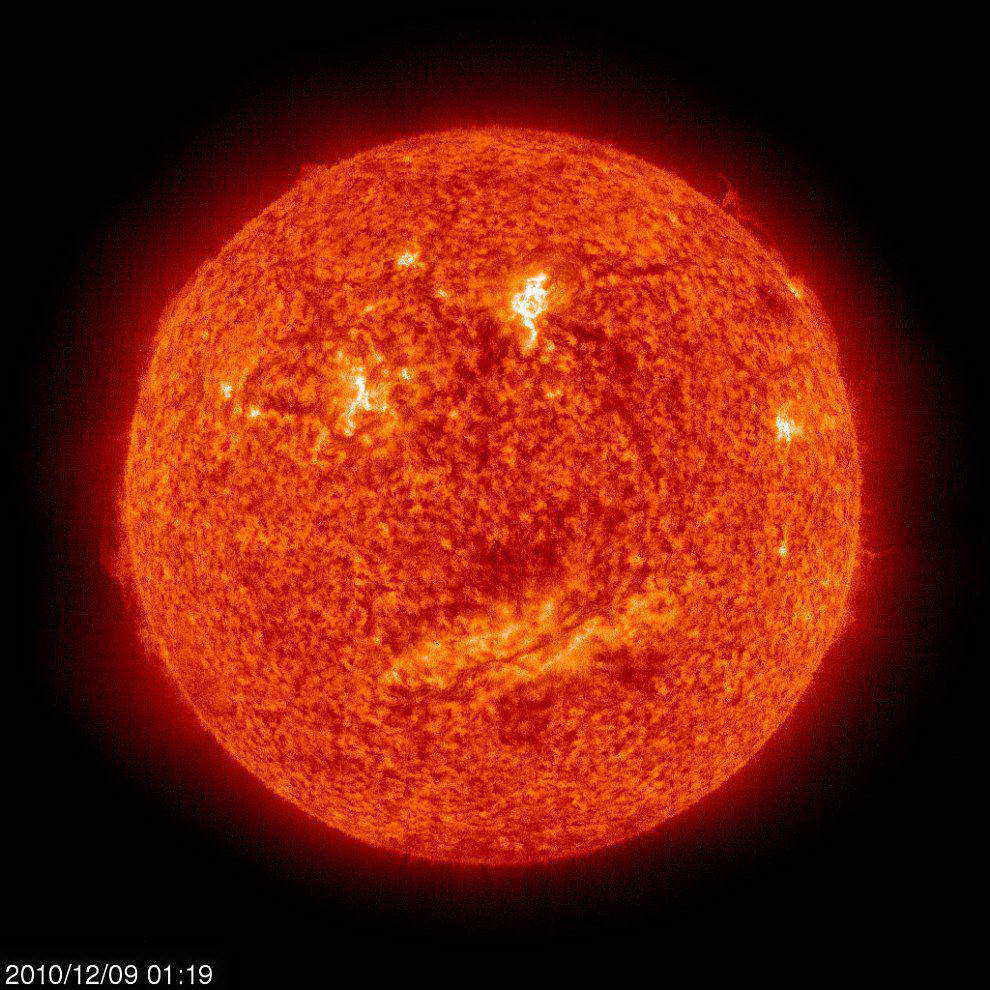
This is what our Sun looks like today, December 9, 2010, at 01:19:
Solar activity 2010
On December 4 and 6, 2010, specialists from the National Aeronautics and Space Administration (NASA) recorded intense eruptions on the Sun:
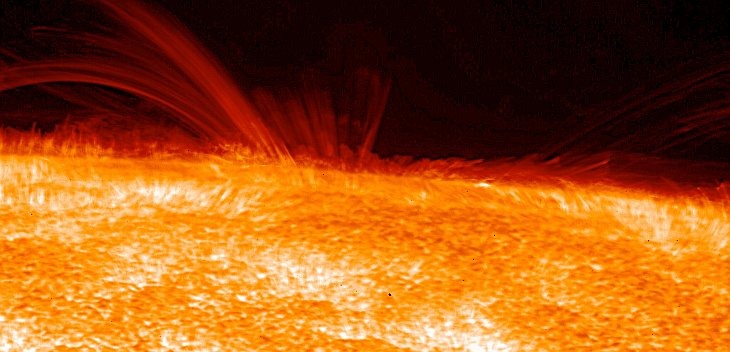
The space probe observed emissions from the surface of the star on December 4, 2010, and recorded a plasma eruption over 400,000 km long, which is more than 30 times the diameter of our Earth.
Plasma emissions on the Sun on December 4, 2010, at 13:19:
This is also our Sun, but with a different color filter. December 4, 2010, at 13:00:
December 4, 2010, at 13:13:
In the afternoon of December 6, 2010, the probe recorded a record coronal mass ejection 700,000 km long, which is 50 times the diameter of Earth.
Plasma emissions on the Sun on December 6, 2010, at 13:19:
NASA warns that this plasma eruption will likely cause widespread magnetic disturbances on Earth. By the end of the week, geomagnetic disturbances will reach extremely high levels.
Plasma emissions on the Sun on December 7, 2010, at 01:00:
The Sun's magnetic field and plasma emissions directly affect Earth and other planets in the Solar System:
However, there is no need to be afraid — space is vast, and the percentage of charged particle streams affecting the planet's geomagnetic activity hitting Earth is not as high as the media tends to scare us with.
In these days, people sensitive to weather may experience a deterioration in their well-being. Those with cardiovascular diseases and blood pressure disorders should pay attention to their health. Depression and even mental disorders may begin.
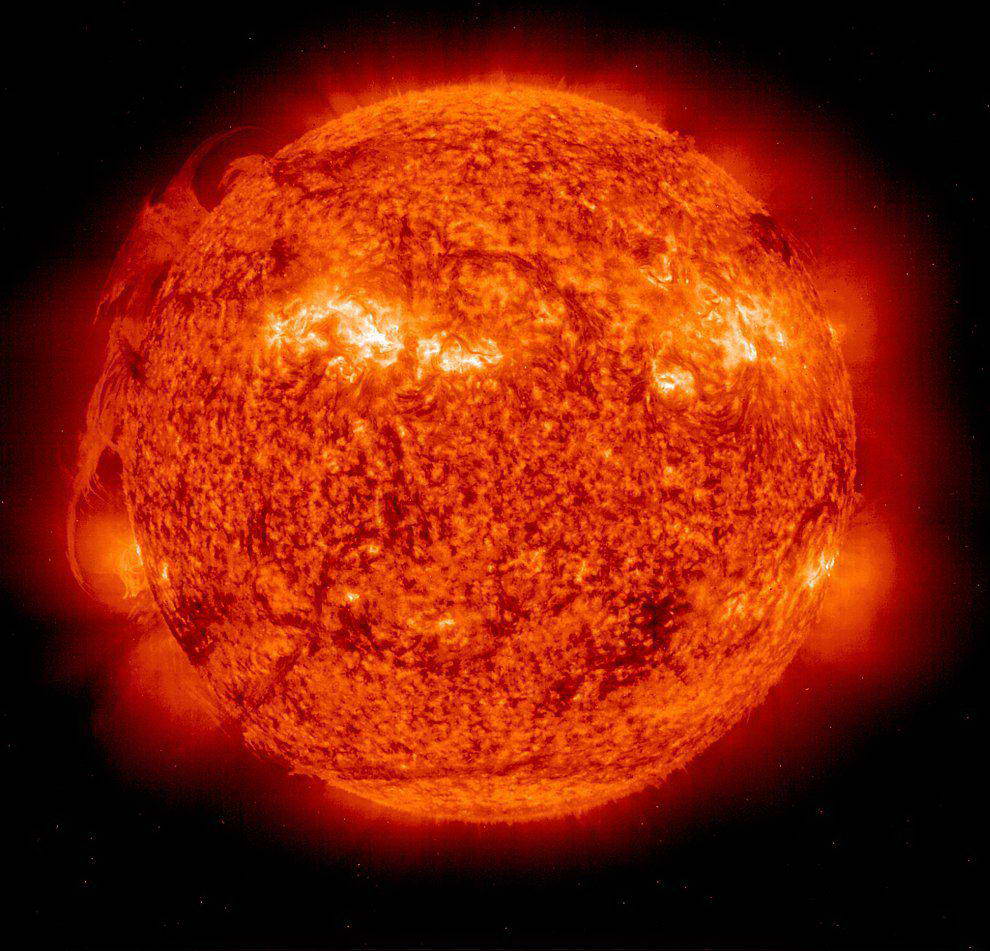
During a magnetic storm, the risk of injury also increases; people should be more attentive to their health, mood, and overall well-being.
This is what our Sun looks like today, December 9, 2010, at 01:19:
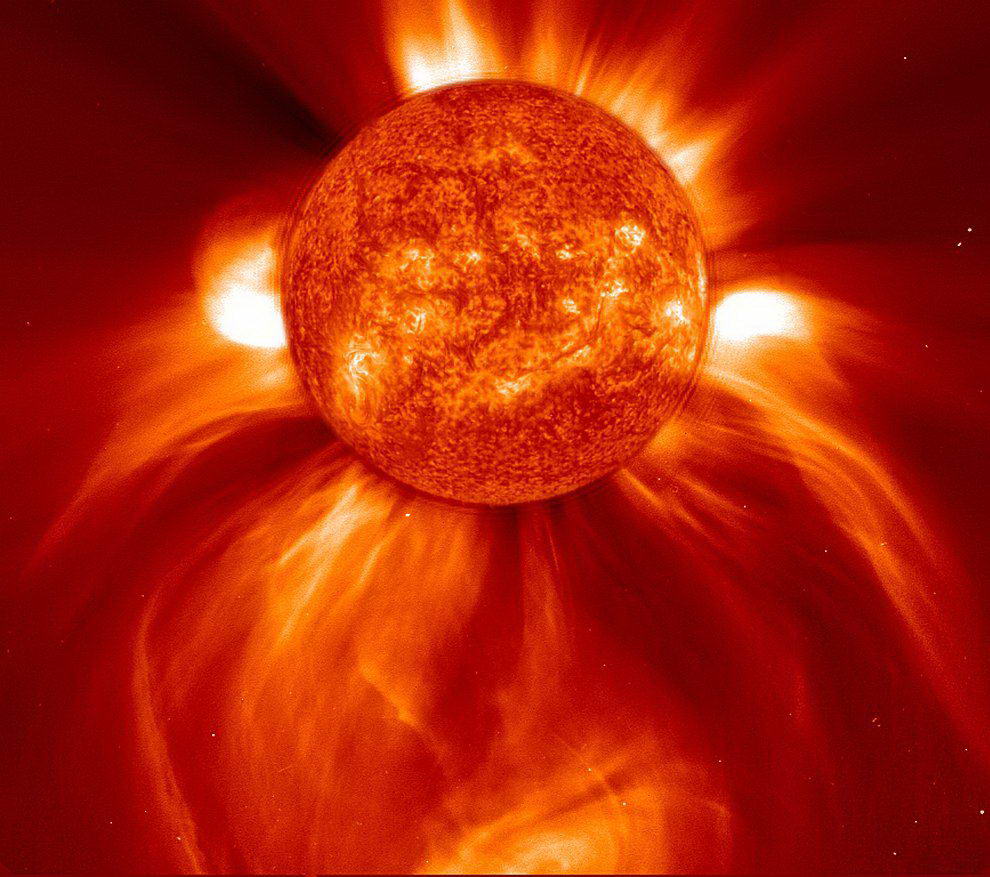
Solar activity 2010
How useful is the material?Evaluation helps us choose topics
00 ratings
Listening to the articleReading aloud
Left:minFinishedListenPauseResumeReading aloudPausedQuote copiedFocus mode onFocus mode offFont sizeNo voice for this language in your browser