Tom‑yam at home: classic recipe and quick preparation method
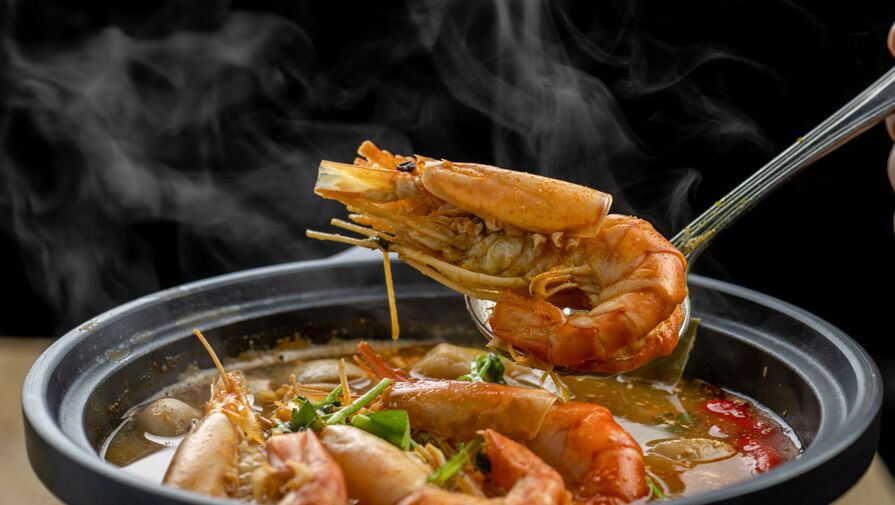
- Tom Yum combines spiciness and a slight sourness
- The classic recipe requires fresh seafood and herbs
- The express version is prepared in twenty minutes
Tom Yum holds a special place in Asian cuisine: its characteristic aroma, piquant spiciness, and slight sourness make the dish recognizable all over the world. Despite the seemingly diverse components, it is quite possible to prepare this soup at home if you know the basic techniques.
Classic set of ingredients
For the traditional version, fresh seafood is needed – usually shrimp or squid, as well as mushrooms (champignons or shiitake). Aromatic herbs play an important role: stalks of lemongrass, kaffir lime leaves, and galangal root. Lime juice adds acidity, while fresh chili or chili paste adds spiciness. Don't forget about fish sauce, which will add umami, and a small amount of sugar for flavor balance.
Step-by-step classic method
First, pour water into a pot, bring it to a boil, and add crushed lemongrass stalks, lime leaves, and pieces of galangal, allowing them to steep for five to seven minutes. Then, add seafood and mushrooms, cooking until done, usually two to three minutes. After that, pour in fish sauce, lime juice, chili paste, and, if desired, a little sugar. Finally, garnish with fresh cilantro and serve hot.
Express option in twenty minutes
For those who value time, there is a simplified recipe. Instead of individual herbs, ready-made tom yum paste is used, which is dissolved in hot water. To this basic broth, quickly thawed seafood and sliced mushrooms are added, boiled for a minute or two, then the taste is adjusted with lemon juice, fish sauce, and optionally – fresh chili is added. This method allows for a rich flavor in half an hour without losing the main aromas.
Chef's Tips
Experts recommend using only fresh herbs – their aroma quickly diminishes with prolonged storage. The spiciness can be adjusted by adding chili to taste, and the acidity can be corrected by adjusting the amount of lime juice. Seafood should not be overcooked: they should remain tender, otherwise the soup will lose its lightness. When serving, it is recommended to add a sprig of cilantro and a wedge of lime for the final touch.
Tom yum goes well with boiled rice or noodles, and can also serve as a standalone dish for lunch or dinner. Its bright flavor is often used as an 'appetizer' before heavier dishes.
From a nutritional standpoint, the soup is low in calories, rich in vitamin C from lime and antioxidants from herbs, while seafood provides protein and omega-3 fatty acids. This makes tom yum not only delicious but also a healthy choice.
Thus, even without visiting a Thai restaurant, one can recreate the authentic taste of tom yum using either the traditional or expedited method. The key is to maintain the proportions, not be afraid to experiment with spiciness, and enjoy the aromatic result.
Source: Gazeta.ru Style