Genetically engineered T-cells led to partial remission in a teenager with nephroblastoma and metastases
- The teenager with nephroblastoma received CAR-T therapy
- After 200 days, the tumors decreased by more than two-thirds
- The patient's condition stabilized in partial remission
- The case was published in The New England Journal of Medicine
A 16-year-old teenager diagnosed with embryonal kidney cancer (nephroblastoma) at an advanced stage faced rapid tumor spread to the lungs, liver, and bones. Traditional chemotherapy and radiation therapy regimens failed to stop the growth of the tumor masses, and doctors had to seek alternative methods.
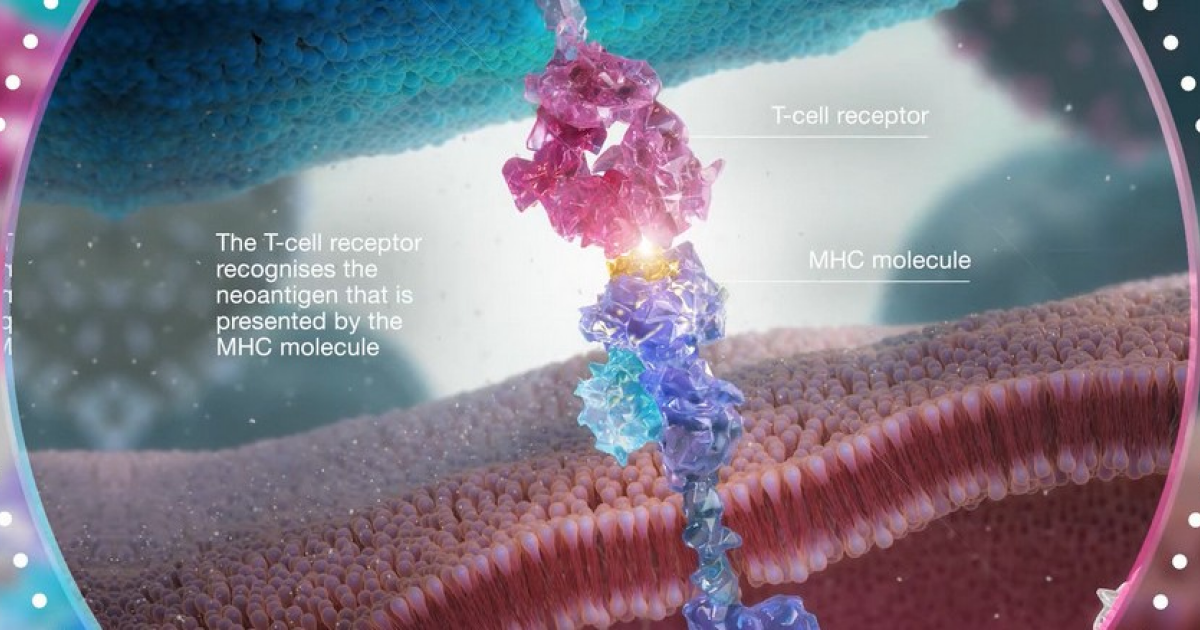
As part of an experimental protocol, German oncologists used modified T-lymphocytes obtained from the patient's blood. The cells were genetically reprogrammed using a viral vector that inserted into their genome the code for a T-cell receptor (CAR) specific to an antigen expressed on the surface of cancer cells.
After cultivation and activity verification, the patient underwent a one-time infusion of CAR-T cells. The procedure was completed without acute complications, and monitoring of the patient included regular MRIs, CT scans, and laboratory tests.
Two hundred days after the introduction of the transgenic cells, the medical team recorded stable partial remission: the sizes of all detected tumor foci decreased by more than 66%. Additionally, the level of tumor markers in the blood dropped to minimally detectable values, and the patient's condition improved – he was able to return to his normal school life and sports activities.
The case was detailed in the international medical journal The New England Journal of Medicine, where the authors emphasized that this is the first confirmed application of CAR-T therapy for nephroblastoma in a teenager. Previously, such approaches had been successfully used in the treatment of hematological-oncological diseases, but their effectiveness against solid tumors remained in question.
Experts note that the success of this case opens new prospects for immunotherapy of rare and aggressive childhood tumors. However, they warn of the need for large-scale clinical trials to assess the long-term safety and durability of the results.
An important aspect is also the economic component: the production of personalized CAR-T cells requires high-tech equipment and specialized laboratories, which limits the availability of the method in resource-limited countries.
Meanwhile, international oncology communities continue to gather data on such cases to form unified recommendations for the use of genetically modified T-cells in solid tumors in children and adolescents.
Source: N+1