The Nativity of the Blessed Virgin Mary: date, meaning, and traditions of the Orthodox holiday
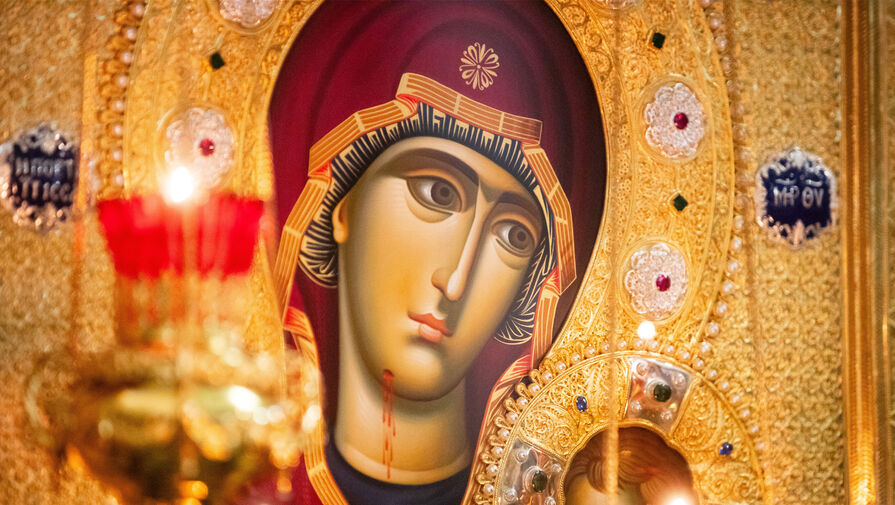
- September 21 — the Nativity of the Most Holy Theotokos in Orthodoxy.
- The holiday celebrates the birth of the Virgin Mary, the mother of Jesus Christ.
- The liturgy includes a special Troparion, Canons, and blessings.
- Traditions: fasting, festive meal, processions with icons.
On September 21, the birth of the Most Holy Theotokos is celebrated in Orthodox churches around the world, also known as the Nativity of the Most Holy Virgin Mary. This day holds a special place in the church calendar as it is dedicated to the birth of Mary, the future mother of the Savior.
Historical origin of the holiday
The exact date of the Virgin Mary's birth is not specified in the Scriptures; however, as early as the 4th-5th centuries, Christians began to celebrate her birthday, linking it to the theme of humanity's salvation. The holiday was officially established in the liturgical calendar in the 7th century when a special service in honor of the Theotokos was introduced in Byzantium.
Theological meaning
The Nativity of the Virgin Mary emphasizes Mary's role as the 'new Eve,' through whom Christ, the savior of the world, came. In Orthodox tradition, her birth is seen as a precursor to the incarnation of the Word of God, and Mary herself is a symbol of purity and humility.
The liturgy on this day includes a special 'Troparion' and 'Kontakion,' as well as the reading of canons dedicated to the Virgin Mary. Hymns praising her grace and intercession are sung in churches.
Traditionally, believers observe a fast until the evening service, after which in some regions a festive meal is arranged, serving dishes without meat, but with honey and dried fruits, symbolizing sweetness and fertility.
In folk customs, the holiday is often accompanied by processions with icons of the Virgin Mary, the blessing of water and bread, as well as the blessing of family homes. In Ukraine and Russia, such rituals are preserved in rural communities, passed down from generation to generation.
It is important to note that the Feast of the Nativity of the Blessed Virgin Mary is positioned in the calendar alongside the Feast of the Annunciation (March 25), which commemorates the conception of Jesus by the Virgin Mary. Together, these two feasts form a 'double' solemn line, emphasizing Mary's role in the history of salvation.
Modern Orthodox churches continue to uphold the tradition, adapting it to current realities: online broadcasts of services are held in large churches, and in the diasporas outside Ukraine and Russia, believers gather in communities to celebrate the birthday of the Virgin Mary together.
Source: Gazeta.ru Culture