The Dormition of the Most Holy Mother of God: meaning and traditions of the Orthodox holiday
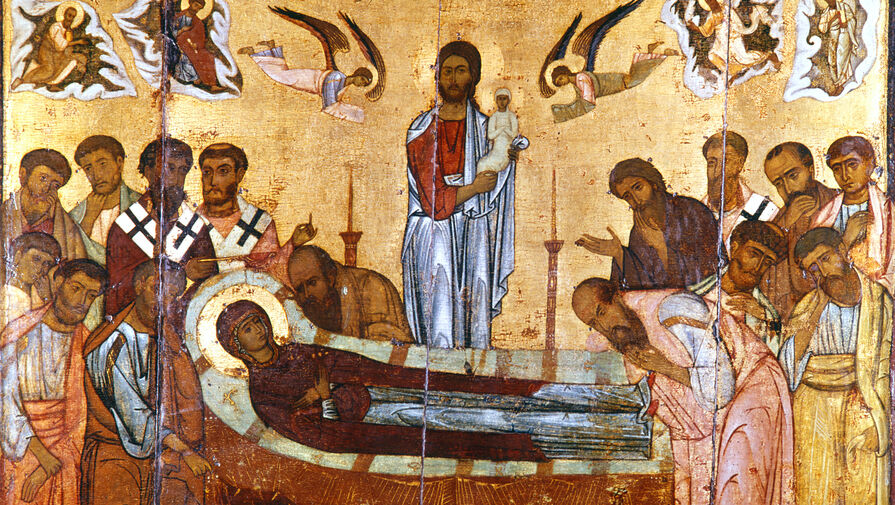
- The Dormition is celebrated at the end of August after the Dormition fast.
- The holiday is dedicated to the death of the Virgin Mary and concludes the annual cycle.
- Also known as the Summer or Theotokos Easter
- Special canons are sung in churches, and processions are held
In the Orthodox tradition, the end of August is marked by a special celebration – the Dormition of the Most Holy Theotokos. This day follows immediately after the completion of a long fast that lasts seven weeks and is called the Dormition Fast. After the fast, believers gather in churches to celebrate the feast dedicated to the passing of the Virgin Mary.
Historical context
The Dormition of the Theotokos has deep roots in the history of Christianity. As early as the first centuries, the church began to commemorate the death of Mary, emphasizing her special status as the Mother of Jesus Christ. The feast gradually took shape as a unified liturgical day, which by the middle of the first millennium was already established in the liturgical calendar.
Over time, the Dormition acquired several names. In Russia, it is often called the Summer Easter, emphasizing that the feast concludes the summer cycle of services, as well as the Theotokos Easter, indicating a spiritual connection with the Easter of Christ – the victory over death.
For Orthodox believers, the Dormition represents the culmination of the year, when the cycle of services that began at the start of the church year comes to an end. This day symbolizes the transition from the period of fasting to joyful celebration, and also emphasizes faith in resurrection and life after death.
Traditionally, on the day of the Dormition, special canons and troparia dedicated to the Mother of God are sung in churches. Believers bring candles, flowers, and icons to the church, and in some regions, processions featuring icons of the Dormition are held. In a home setting, it is customary to prepare special dishes that are made without meat in accordance with fasting restrictions, but after the fast is over, a festive table is often arranged.
The holiday holds special significance in the cultural space of countries where Orthodoxy is the main confession. In Russia, Ukraine, Belarus, and other countries, the Dormition is celebrated as a public holiday, and services are held in churches, opening doors for all who wish to join in prayer.
Thus, the Dormition of the Most Holy Theotokos is not only a religious holiday but also an important cultural marker that unites millions of people on a day when the life and death of one of the most revered figures in Christianity is remembered.
Source: Gazeta.ru Culture