Rare Polyomavirus Infection Affects Patient's Brain for the First Time
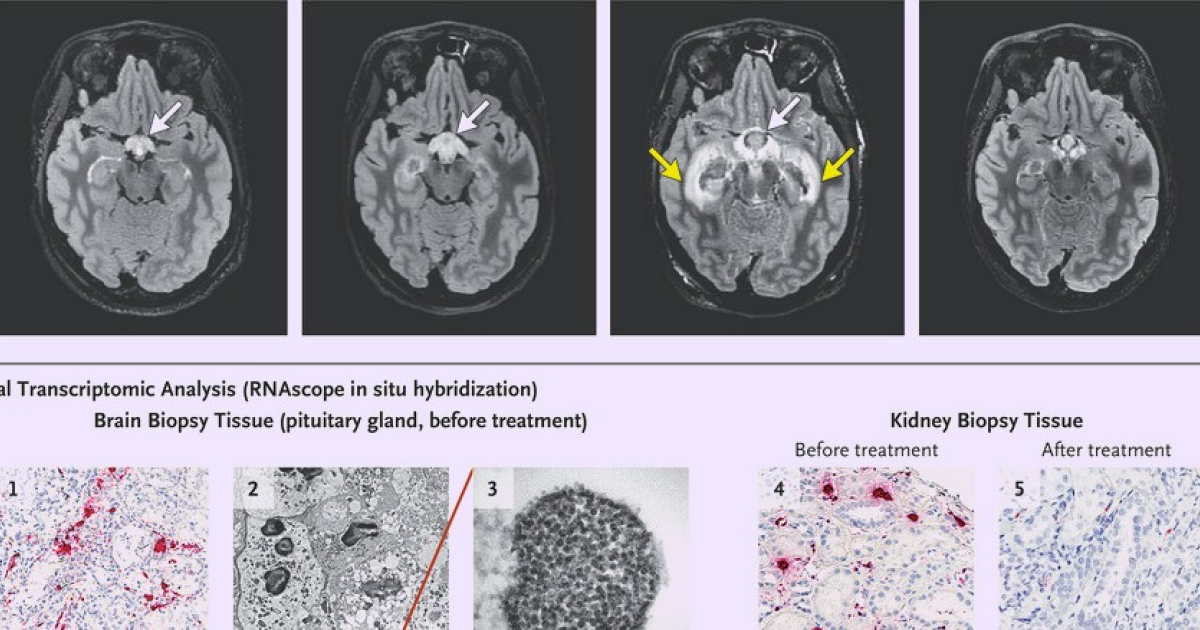
- The brain infection caused by the TSPyV polyomavirus has been identified for the first time.
- The virus affected a patient receiving immunosuppressive therapy
- Usually, this virus only causes skin lesions
- The study was published in a prestigious medical journal
Specialists in the United States have identified a case of brain infection with the TSPyV polyomavirus for the first time in medical practice. The patient was a young woman who was receiving immunosuppressive therapy that suppressed the body's protective functions. The study was published in the authoritative scientific journal The New England Journal of Medicine.
Polyomaviruses are a group of viruses that are widely distributed in the human population. TSPyV (also known as trichodiscomas spongiform polyomavirus) was discovered in the early 2010s. For a long time, it was believed to primarily affect the skin and mucous membranes, especially when a person's immune system is weakened due to medication, organ transplantation, or congenital immunodeficiencies.
In the described case, the virus exhibited completely unexpected behavior by penetrating the central nervous system. This indicates that under certain conditions, polyomaviruses can affect not only the skin but also more critical organs and systems for life. Such complications are extremely rare and require special attention from the medical community.
The identification of such a case is of significant importance for clinical practice. Doctors who work with patients on immunosuppressive therapy must consider the possibility of polyomavirus affecting the nervous system in the presence of relevant symptoms. This may influence approaches to the diagnosis and treatment of neurological complications in individuals with weakened immune systems.
The history of polyomavirus infection development demonstrates how even well-known viruses can exhibit unexpected properties under specific conditions of the human body. Understanding the possible mechanisms of damage to various organs is critically important for developing more effective approaches to the prevention and treatment of infections in immunosuppressed patients.
This discovery highlights the need for continued scientific research in the field of virology and immunology. Further study of polyomaviruses may lead to the development of new diagnostic methods and therapeutic strategies that will help protect the most vulnerable patient groups from complications of infectious diseases.
Source: N+1