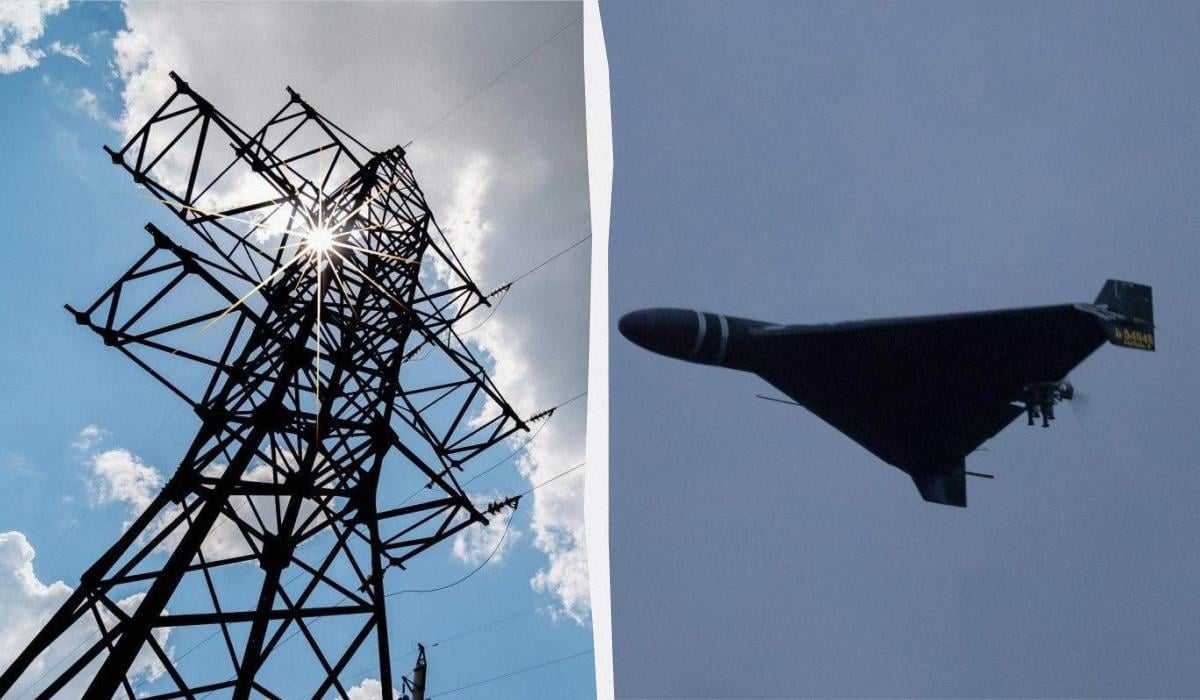
Massive rocket strikes on Kyiv: up to 20 munitions, casualties, and fires
- Up to 20 different rockets have been launched from three Russian regions
- 2 people injured, woman hospitalized
- Power and water supply shutdown in Kyiv
- Fires in the Svyatoshyn, Holosiiv, and Obolon districts
On the night of May 5, Russian occupation forces launched a large-scale missile attack on the capital of Ukraine. According to the Air Force and monitoring channels, up to twenty missiles of various types were launched from the territory of three border Russian regions – Kursk, Voronezh, and Bryansk – including hypersonic 'Zircons', cruise munitions 'KN-23', as well as S-400 and 'Iskander-M' missiles.
Technical specifications and scale of the attack
The use of such diverse weapons indicates the readiness of the Russian army to employ the most modern air and ground defense systems. Hypersonic missiles 'Zircon' have the ability to overcome missile defense, while 'Iskander-M' is a maneuverable tactical missile that allows striking targets at great distances. According to preliminary estimates, about twenty munitions were involved in the attack, making it one of the most massive in the past year.
The head of the Kyiv Regional State Administration, Tymur Tkachenko, reported that as a result of the strike on Kyiv region, two people are known to be injured. One of the injured – a woman – was hospitalized. According to him, the rocket attack was mainly aimed at energy infrastructure, leading to large-scale power outages and disruptions in water supply in the capital.
Damage to infrastructure and fires
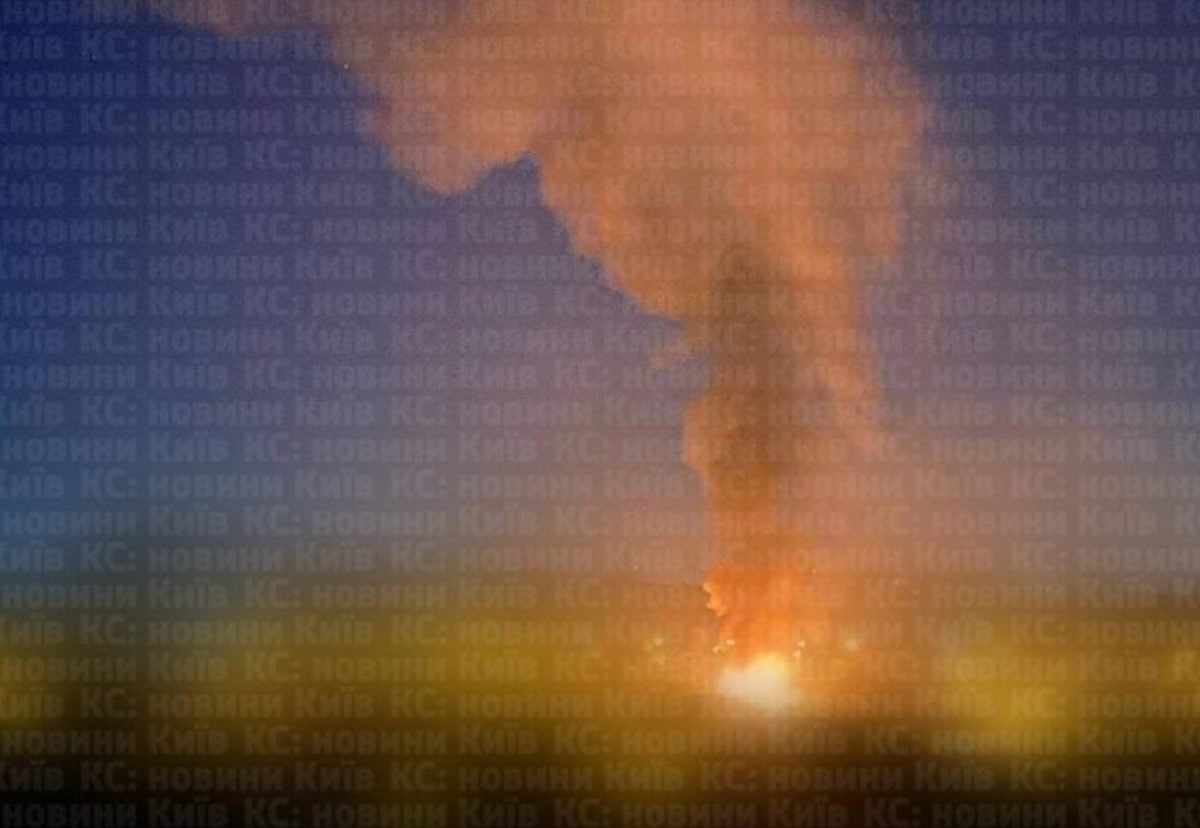
According to the city council, a fire broke out in a private residential building in the Svyatoshyn district. In the Holosiivskyi district, a warehouse building caught fire, as reported by the Kyiv City Military Administration (KMVA). In the Obolon district, a fire outbreak occurred in a store due to a strike. Fire units quickly arrived at the scene, but the incidents highlight the risk of fire spreading during missile strikes.
In addition to direct destruction, the attack caused power outages in several areas of the city, as well as disruptions in the supply of drinking water. This complicates the work of medical institutions and the livelihood of the population, which has been facing the consequences of war for a long time.
Context and reaction of international media
Earlier, the British publication The Guardian reported that during just the past week, Russian missiles and drones struck residential buildings, offices, warehouses, and data processing centers throughout Kyiv. According to their data, almost daily, as a result of Russian strikes, civilians are killed or injured in the capital, creating a sense that Kyiv is turning into a frontline city.
According to experts, the current wave of attacks is the most intense since the full-scale invasion in 2022. The use of hypersonic missiles and a large number of munitions underscores the escalation of the conflict and Russia's desire to continue pressuring Ukrainian infrastructure, particularly energy, which is critically important for the functioning of the state during the war.
Ukrainian authorities and the international community are calling for enhanced protection of civilian infrastructure and the provision of additional missile defense resources. Meanwhile, residents of Kyiv are facing new challenges – from power outages to the risk of new fires – their resilience and readiness for further attacks remain a key factor in resisting Russian aggression.
Source: UNIAN