Study: removing an insulin pump during sex does not cause dangerous hypoglycemia
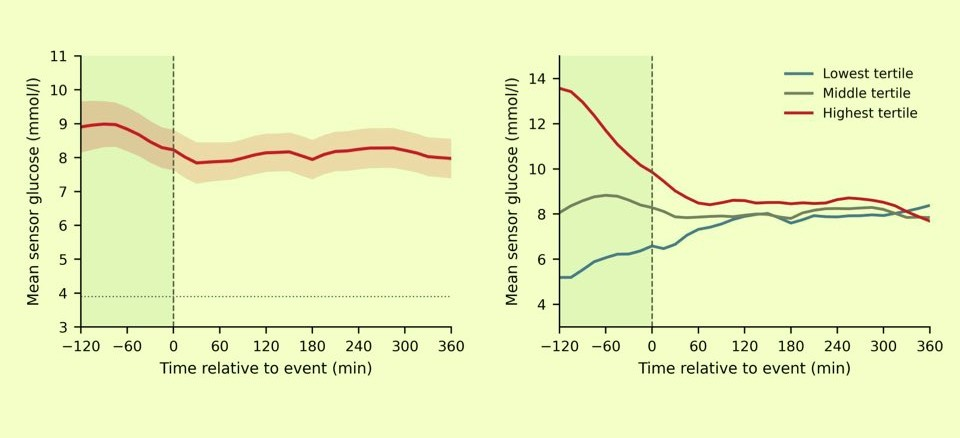
- Disconnecting the insulin pump during sex does not cause hypoglycemia.
- Nighttime intercourse reduces glucose from 9.16 to 8.16 mmol/L (p
- Daytime sexual activity does not affect blood sugar levels.
- The study confirms the safety of pumps in intimate situations.
At the annual congress of the European Association for the Study of Diabetes (EASD), Polish scientists presented the results of a study dedicated to the impact of sexual activity on glycemic control in patients using insulin pumps. The aim of the work was to determine whether turning off the device during sex leads to a sharp drop in blood sugar levels that could require emergency intervention.
Research Methodology
The study involved adult patients with type 1 and type 2 diabetes who regularly use insulin pumps. Participants recorded the time of sexual intercourse, the type of activity (daytime or nighttime), and glucose readings before and after turning off the pump. The criterion for clinically significant hypoglycemia was a glucose level below 3 mmol/L.
Key Findings
The analysis showed that none of the recorded episodes led to a glucose level below 3 mmol/L. Thus, removing the pump during sexual intercourse does not pose a threat of developing severe hypoglycemia. However, nighttime sexual contacts were accompanied by a statistically significant decrease in the average glucose level from 9.16 mmol/L to 8.16 mmol/L (p
Source: N+1