Chinese archaeologists found remains of Denisovans in a cave in the south of the country
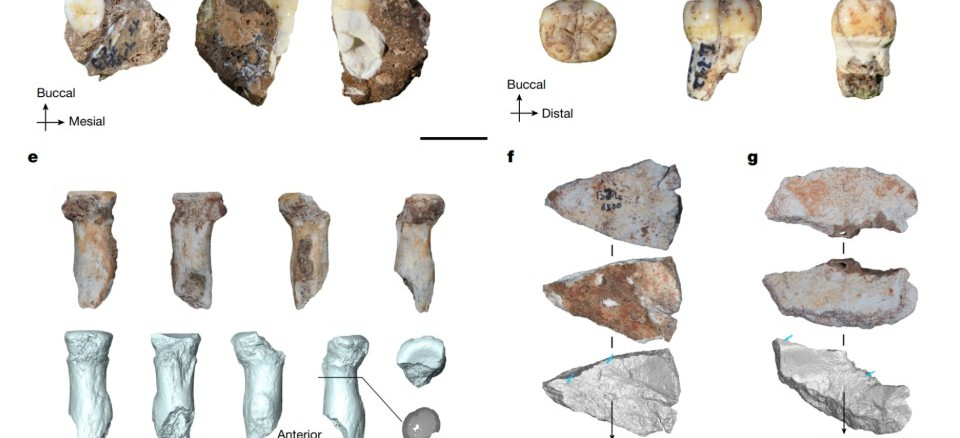
- Chinese archaeologists discovered the remains of Denisovans in the Bianfu cave in the south of the country.
- Teeth and bone fragments of at least four individuals were found from 167–134 thousand years ago.
- Stone and bone artifacts of ancient humans were also found during the excavations.
- The find expands knowledge about the distribution of Denisovans in Asia
Chinese paleoanthropologists have discovered another important site related to Denisovans — an extinct group of archaic humans who lived in Asia tens of thousands of years ago. The find was made during excavations of the Bianfu cave in southern China, where numerous artifacts from different periods of antiquity have accumulated.
During work at this site, scientists extracted human remains from Paleolithic layers, including isolated teeth and fragments of skeletal bones. Alongside them, researchers found stone tools, bone, and other material culture items, as well as animal bones that help clarify the living conditions in those distant times.
Anthropological analysis and dating of the obtained material showed that the bone remains belonged to at least four different individuals. The age of the finds is determined to be between 167,000 and 134,000 years ago, which fits within the known time frame of the existence of Denisovans in East and Southeast Asia.
The significance of the discovery
Denisovans are a side branch of human evolution, known to science relatively recently. For a long time, researchers only had access to isolated fragments of their skeletons and genetic material, found in a few sites, mainly in Central Asia. The discovery in the Bianfu cave expands the geographical range of known habitats of this species and allows for a better understanding of their distribution across Asia.
The find is also important for reconstructing the lifestyle of the Denisovans. The presence of tools and bone artifacts in the same layer as human remains provides direct evidence of the technological capabilities of these ancient people and their economic activities during the corresponding era. The material culture of the site helps refine our understanding of the behavior and adaptation of the Denisovans to their environmental conditions.
The research was conducted using modern analytical methods — morphological identification, radiocarbon dating, and other types of dating, molecular anthropology. The results were published in the prestigious journal Nature in two articles, indicating significant scientific weight and thoroughness of the work done. Further excavations at this site promise to enhance our knowledge of the Denisovans and their role in the history of human settlement in Asia.
Source: N+1