Paleolithic art, 15 k years old, has been discovered in Irish caves
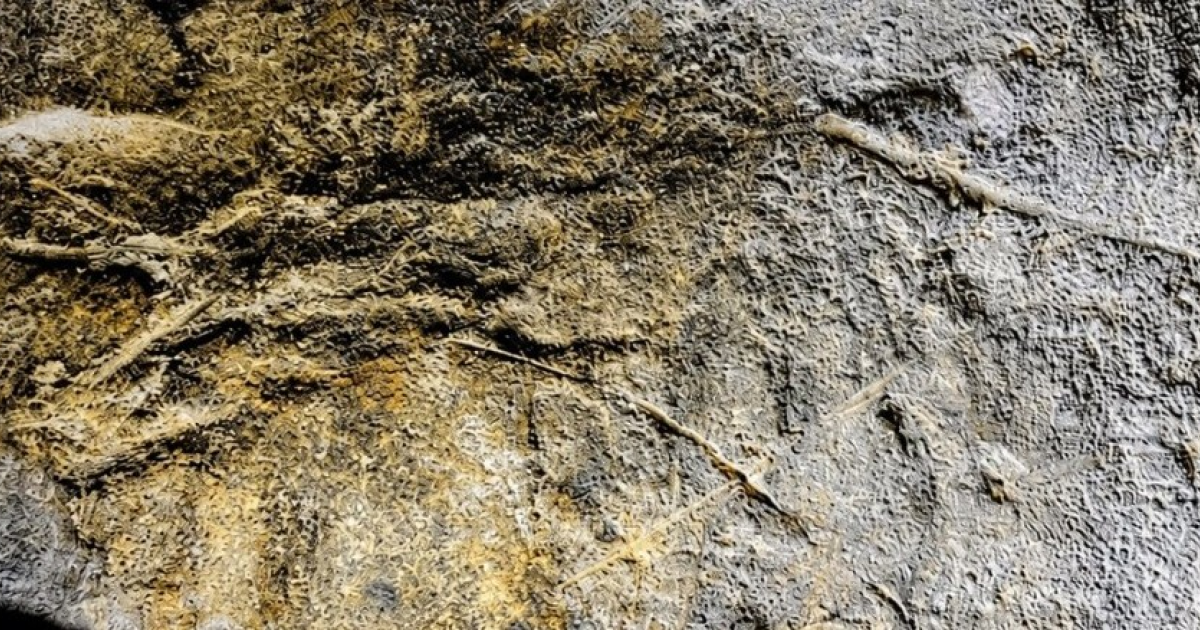
- Eight caves in the southwest of Ireland have been studied by archaeologists.
- The traces of humans date back at least 15,000 years.
- Early forms of Paleolithic art have been discovered.
- The discovery changes the understanding of ancient settlements in Ireland.
A group of archaeologists exploring the southwest region of Ireland has identified eight caves that contain evidence of human activity dating back to the Upper Paleolithic. Preliminary estimates suggest that these sites were used by humans at least 15,000 years ago, placing them among the earliest layers of archaeological stratification on the island.
The caves are located in rocky formations typical of coastal areas. Their geographical location allowed hunter-gatherers to use natural shelters as temporary camps, as well as places for performing ritual activities. Inside, there were traces of fire, stone tools, and animal remains indicating hunting practices.
The age of the finds was determined using the method of radiocarbon dating of organic remains, as well as by comparing stylistic features with known samples of Upper Paleolithic art in Europe. The results obtained correspond to a minimum of 15,000 years, and some layers may be older, which requires further clarification.
Early Art in Ireland
Of particular interest is the discovery of the simplest artistic elements: engravings, carved lines, and traces of the use of natural pigments. Such signs indicate that the people who inhabited these caves not only hunted for food but also engaged in symbolic creativity, which is characteristic of Upper Paleolithic cultures.
Previously, the scientific community believed that permanent settlements in what is now Ireland emerged much later, during the Mesolithic period. However, this discovery shows that people could have reached the island as early as the Late Paleolithic, using sea routes or ice bridges that existed during the last retreat of the glaciers.
This discovery changes the understanding of the chronology of settlement in Western Europe. It confirms that the Irish lands were part of a network of migration routes for ancient populations, connecting them with the continental part of Britain and continental Europe.
Scientists plan to continue excavations using more precise dating methods and microscopic analysis of paint traces. New data is expected to help clarify the scale and nature of cultural contacts in the prehistoric period, as well as reveal Ireland's role in the formation of early human communities.
Source: N+1