Bhutan has eradicated rabies transmitted by dogs
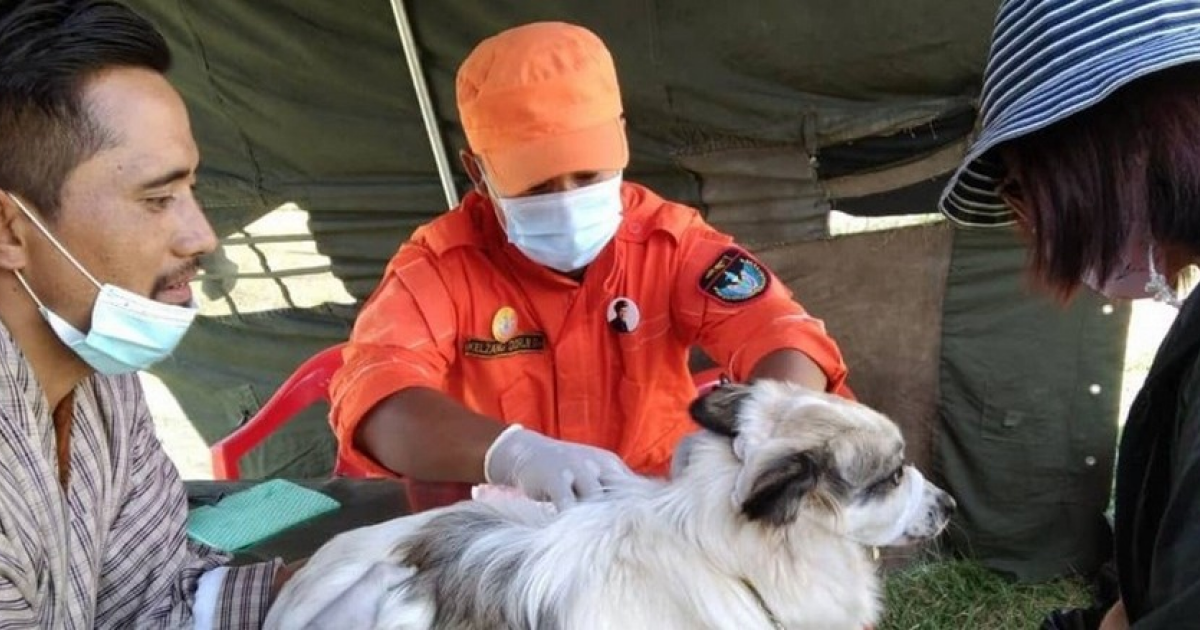
- Bhutan is recognized as the first country in Southeast Asia free of dog rabies.
- Success achieved through the integration of health and veterinary services
- Key measures: animal vaccination, epidemiological surveillance, and human prevention
- Community involvement played an important role in the program
Bhutan has officially received the status of a country where rabies transmitted by dogs is no longer a relevant public health issue. This recognition was issued by the World Health Organization, confirming the unprecedented success of the state in combating this dangerous disease at the regional level. Bhutan has become the first country in the Southeast Asian region of WHO to achieve this significant result.
Achieving such status required a long and consistent effort that spanned several decades. The foundation of this success was a comprehensive approach known as the 'One Health' principle. This concept involves considering the health of people, animals, and ecosystems as an interconnected system, where the condition of each element affects overall well-being.
Multilevel strategy for combating
To eradicate rabies, Bhutan implemented a coordinated approach, uniting the efforts of the country's medical and veterinary services. A key element of the strategy is the organization of effective epidemiological surveillance, which allowed for tracking and controlling the spread of the disease among animals and humans.
Significant attention was paid to mass vaccination of dogs, which reduced the number of virus carriers in the animal population. At the same time, efforts were made to regulate the population of stray dogs, which hindered further spread of the infection. Such measures were based on the understanding that rabies control is impossible without direct intervention on the main reservoir of the virus in the environment.
At the same time, government structures ensured the widespread availability of post-exposure prophylaxis — immediate treatment after potential contact with an infected animal. This is critically important for preventing the development of the disease in humans after a bite or scratch from a sick animal.
Community Involvement
An integral part of the program has been the broad engagement of the population of Bhutan. Informing residents about the risks of the disease, ways to prevent it, and the necessity of seeking medical help immediately has contributed to the formation of a culture of prevention. Such public participation has increased the effectiveness of the entire rabies control system.
Bhutan's experience demonstrates that even in developing countries, it is possible to achieve full control over such a dangerous infection with political will, sufficient funding, and coordination among all health structures. Bhutan's success will serve as an important model for other countries in the region where rabies remains a serious problem.
Source: N+1