Bronze kurgan in western Azerbaijan: a diorite mace head and a bronze dagger were found
- A Bronze Age burial mound has been found in western Azerbaijan.
- The burial is approximately 3600 years old.
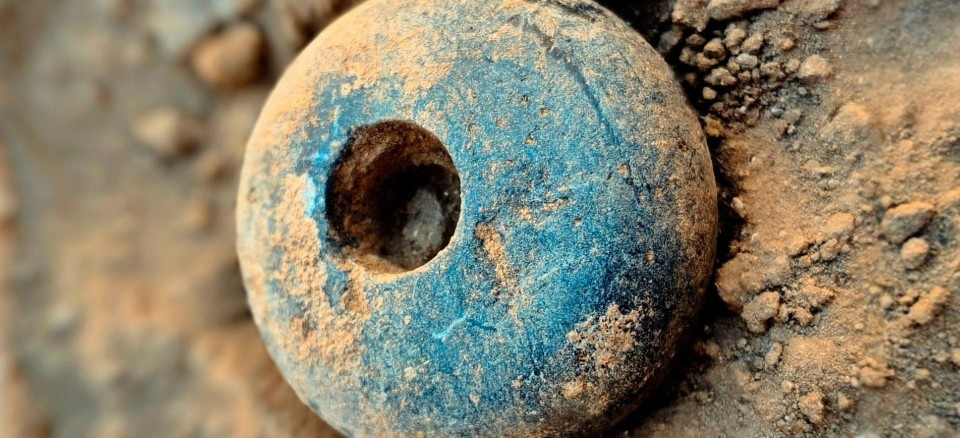
- A diorite mace head and a bronze dagger were found in the grave.
- The artifacts indicate a high status and a developed craft tradition.
In western Azerbaijan, a burial mound dating back to the Bronze Age was discovered as a result of systematic excavations. According to radiocarbon dating, the burial dates back to around 1600 BC, which corresponds to an age of about 3600 years.
Inside the burial mound, archaeologists found the only human body, which, according to anthropological data, belonged to a man of average height. The remains were placed in a traditional position for the region, and next to them lay two items that attracted the researchers' special attention.
The first artifact is made of diorite – a hard volcanic stone that was used in ancient cultures for making tools and weapons. Based on the shape and wear of the item, experts concluded that it is the head of a mace, that is, one of the elements of heavy striking weapons.
Bronze dagger as a status symbol
The second find was a bronze dagger with a clearly defined blade and a handle adorned with ornamentation. Bronze was a valuable material at that time, and the presence of a dagger in the burial set indicates the high social status of the deceased.
Diorite, as a material, required complex technological processes: extraction, processing, and polishing. Its presence in the burial mound indicates a developed craft tradition and that there were exchange networks in the region allowing for the acquisition of rare stone varieties from distant mountainous areas.
The Bronze Age in the Caucasus is characterized by active interaction between local tribes and more distant cultures of the Middle East and Central Asia. The exchange of metals, ceramics, and stone products contributed to the formation of complex social structures, as evidenced by finds of this kind.
The discovery of a diorite mace head and a bronze dagger in the same burial complex expands the understanding of the military and ceremonial practices of the ancient Caucasians. Such finds help scholars reconstruct the level of technological development, as well as the role of the warrior class in society at that time.
Thus, the burial mound in western Azerbaijan represents a valuable testimony to the bronze heritage of the region, allowing for a deeper understanding of the cultural and economic ties that shaped the Caucasian civilization more than three thousand years ago.
Source: N+1