Apple paid $17 bn in taxes in Ireland, even though only 3 % of its employees work there
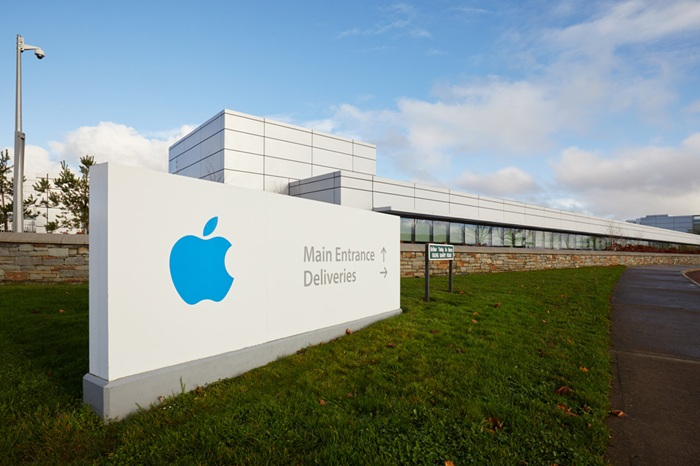
- Apple paid $17 billion in taxes in Ireland
- This is 40% of the company's global tax payments
- Only 3% of Apple employees work in Ireland
- The EU court ruled that Irish aid was illegal, demanding €13 billion
In 2025, Apple paid $17 billion in corporate income tax to Ireland, which accounts for 40% of its total global tax burden of $43 billion. The data was published in the company's reporting, prepared in accordance with new EU requirements for large corporations.
Tax dispute in the EU
In 2024, the Supreme Court of the European Union ruled that Ireland provided illegal state aid to Apple. The court upheld a decision requiring Irish authorities to collect up to €13 billion in back taxes resulting from a long-standing tax dispute.
According to the Financial Times, about a quarter of Apple's global pre-tax profit for the fiscal year ending in September 2025 was accounted for through Irish subsidiaries. At the same time, only 3% of the company's total employees work in Ireland – 5,575 people, while in Germany there are 4,089.
Low tax rate and its consequences
Ireland maintains a corporate tax rate of 12.5%, making it attractive for large IT corporations. In 2024, only three companies – Eli Lilly, Apple, and Microsoft – paid nearly half of all corporate taxes collected in the country.
Apple reported a pre-tax profit of $6 million per employee in Ireland. In comparison, in Germany, the company earned $51,000 per employee, and the tax paid there amounted to $153 million, which is only 0.3% of Apple's total global tax payments.
The company stated that the figures presented reflect only the corporate income tax tied to the location of asset storage. Other taxes, such as VAT, which depend on the location of customers, are not included in this data.
The situation highlights the problem of tax competition between countries: low rates attract profits but can lead to disputes over the legality of state aid provided. For the EU, such cases become a test of the effectiveness of new rules aimed at the transparency of financial flows of large multinational companies.
Overall, despite a small share of staff in Ireland, the company retains a significant portion of its profits in this jurisdiction, allowing it to pay most of its global taxes here.
Source: 3DNews