Photos
Kingdom of Bhutan (Photo)
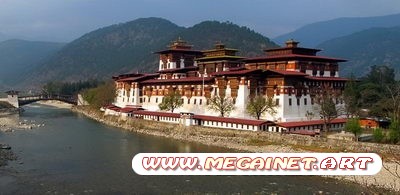
the Kingdom of Bhutan ( Photos )
Photo journey. Bhutan. Kingdom of Bhutan photo. Bhutan photo.
Interesting places of the world. the Himalayas. Tibet. Photo journey through the Kingdom of Bhutan.
Nestled between India and China in the Himalayas is the small kingdom of Bhutan, with a population of just 700,000 people.
In this amazing country, traditions are very strong, and it is in no hurry to adopt a modern path of development. It is a land of Buddhism, purity, and enlightenment. It is hard to imagine that television and the internet only appeared in Bhutan in 1999 after the ban was lifted.
Bhutan is often rated as the happiest country in the world, and its economy is measured not by Gross Domestic Product (GDP) but by Gross National Happiness. As the 4th king of this country said: 'The happiness of the people is more important than the percentage of gross domestic product.'
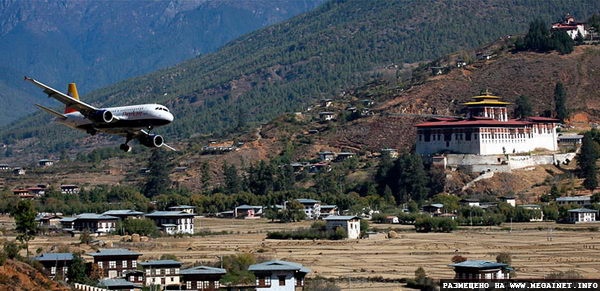
So, the photo journey through the Kingdom of Bhutan begins at the international airport of Bhutan. In the background is a large monastery of the Buddhist school — the fortress of Paro Dzong. (Photo Singye Wangchuk | Reuters):
The history of tourism in Bhutan began in 1974, before which entry into the country was only possible with a personal invitation from the king or queen. The country was opened to foreigners to showcase its unique culture and traditions to the world. (Photo):
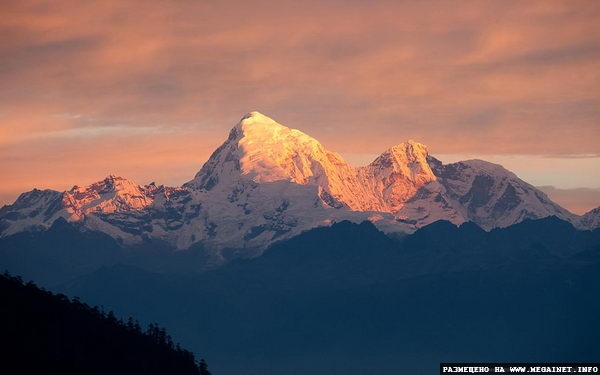
The country has 19 mountain peaks exceeding 7,000 meters. The second highest mountain is Jomolhari at 7,314 m. It is a sacred mountain. The highest point in Bhutan is Mount Kula Gangri at 7,550 meters. (Photo Ed Jones | AFP | Getty Images):
There are two versions of the name of the kingdom 'Bhutan'. One of them means 'land of the mountains', while the other means 'the edge of Tibet'. (Photo Kevin Frayer | Reuters):
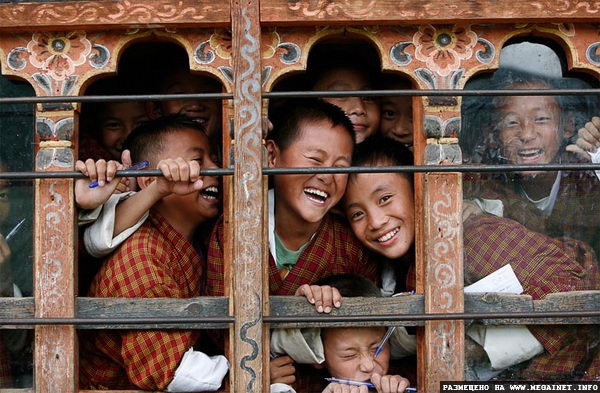
Bhutan has a population of about 700,000 people, 80% of whom are rural residents. According to the official census, the country's population is declining. (Photo Adrees Latif | Reuters):
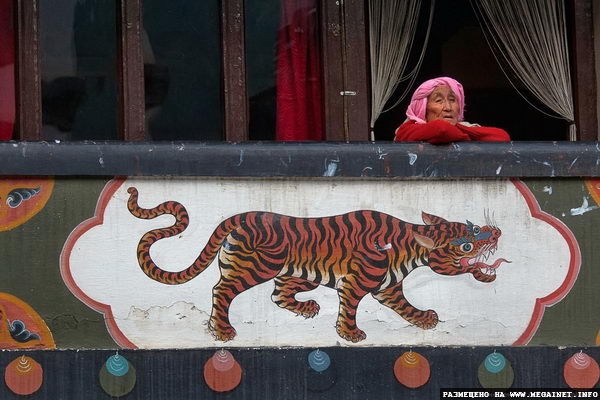
The average life expectancy in Bhutan is also not impressive: 66 years for men and 66.3 years for women.
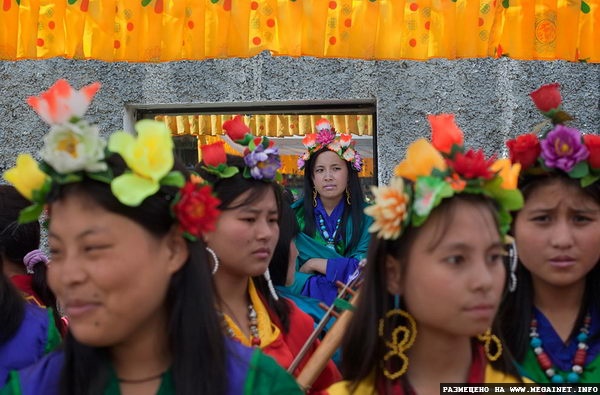
Currently, Bhutan has a constitutional monarchy, and the youngest head of state in the world rules here: the 5th King of Bhutan, Jigme Kesar Namgyel Wangchuck, is only 31 years old. In October 2011, he married a simple 21-year-old student. The ceremony was broadcast on local television. By the way, television was completely banned in Bhutan until 1999. (Photo Triston Yeo | Getty Images):
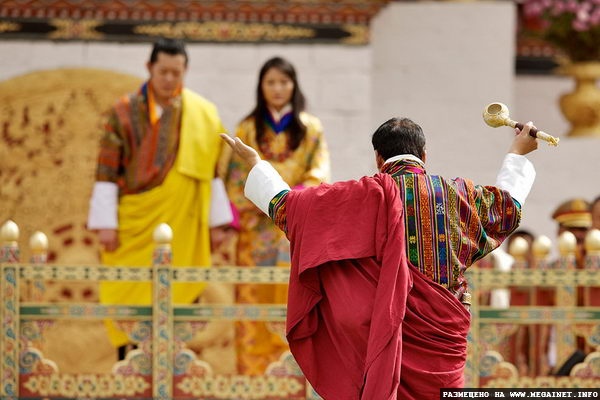
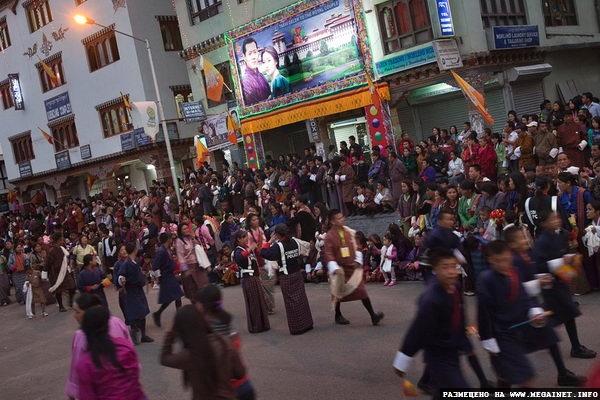
Of course, the royal wedding took place according to a complex Buddhist ceremony. The 31-year-old king and 21-year-old queen, Thimphu, October 15, 2011. (Photo Adrees Latif | Reuters):
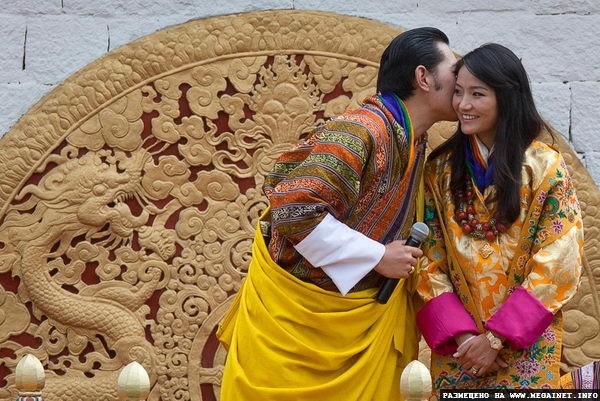
Dancers performing at the wedding ceremony. (Photo Triston Yeo | Getty Images):
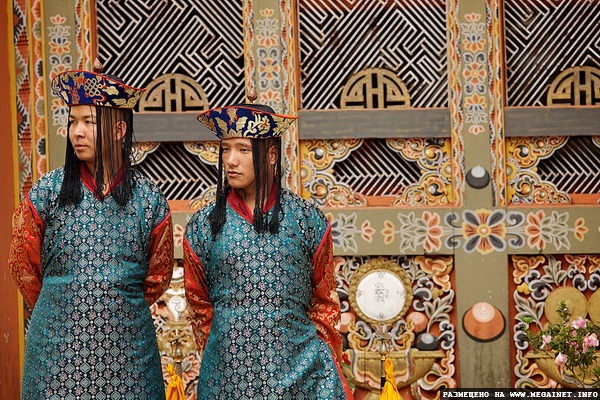
This wedding became the main secular event of the year in all of South Asia. More than 1,500 official guests from around the world attended. (Photo Kevin Frayer | AP):
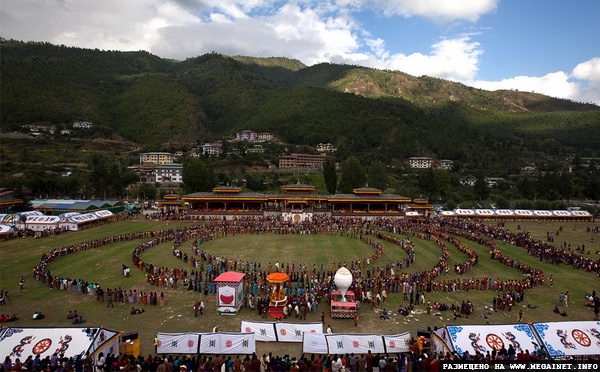
Bhutanese-style celebration. The final dance of the newlyweds together with the guests. The king is almost in the center of the frame, with the queen behind him. (Photo Kevin Frayer | AP):
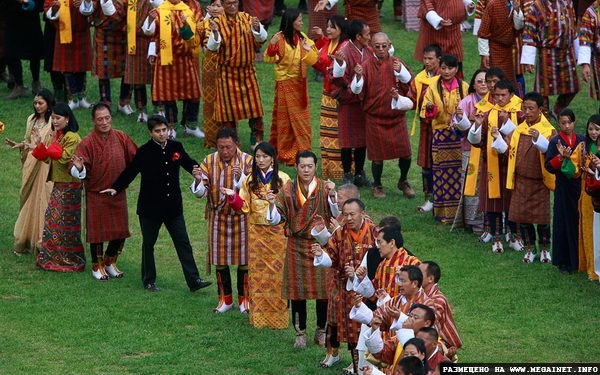
Buddhist monks' performances at the wedding ceremony, October 15, 2011. (Photo Kevin Frayer | AP):
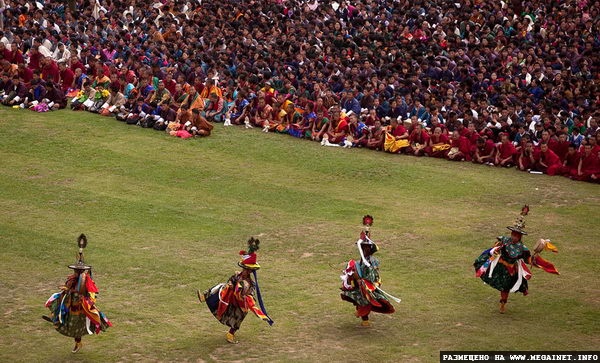
The capital of Bhutan is the city of Thimphu. It is located at an altitude of 2,400 meters, and only 90,000 people live here. (Photo Adrees Latif | Reuters):
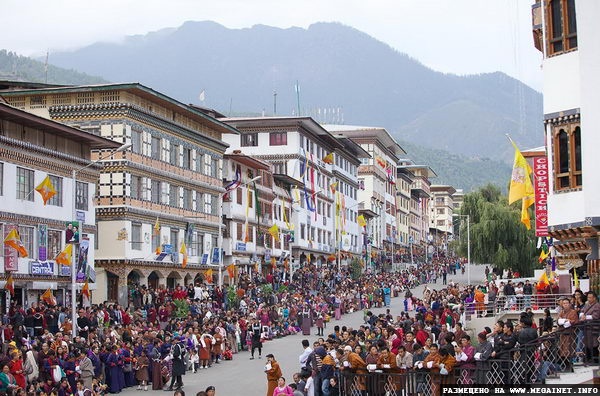
This is what the main street of the capital of the Kingdom of Bhutan looks like. People are waiting for the ceremonial procession of the royal couple, October 14, 2011. (Photo Triston Yeo | Getty Images):
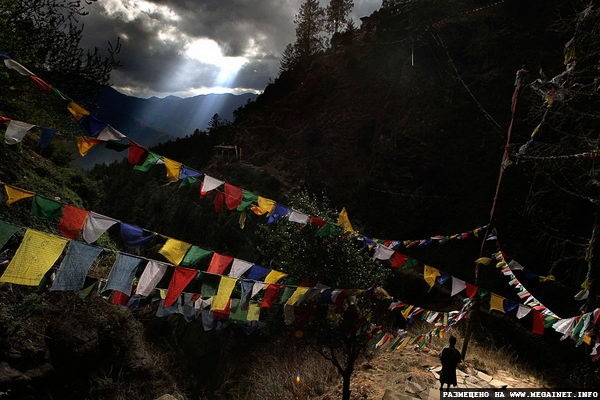
The road to the unique Taktsang Lhakhang monastery. We will tell you more about it now. (Photo Manish Swarup | AP):
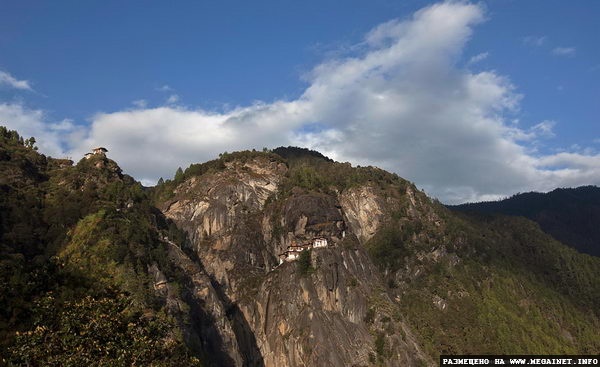
Taktsang Lhakhang ('Tiger's Nest') is a famous monastery in Bhutan. It hangs directly on a cliff at an altitude of 3,120 meters and 700 meters above the Paro valley. It was founded in 1692, although the caves here have been used for meditation since ancient times. This monastery is the main tourist attraction of the country. (Photo Adrees Latif | Reuters):
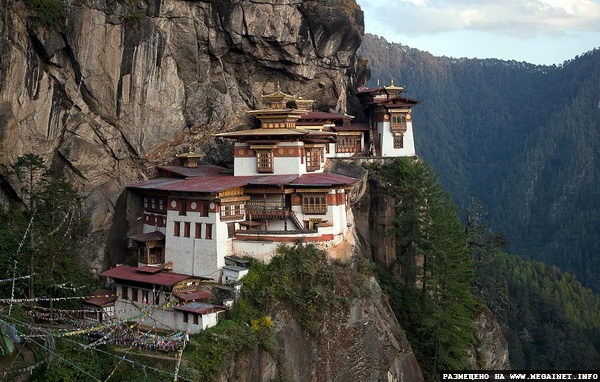
This is what the 'Tiger's Nest' looks like from the outside. (Photo Adrees Latif | Reuters):
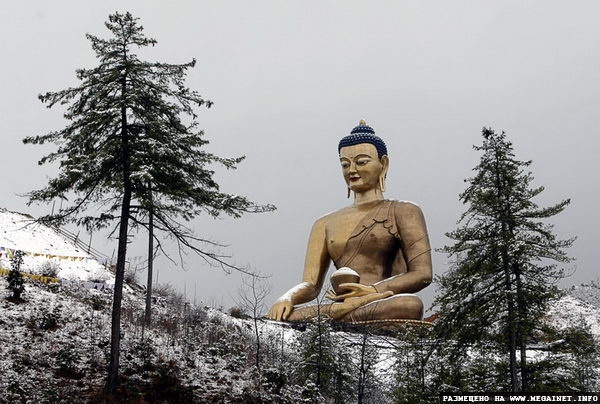
The state religion of Bhutan is Buddhism. And this is a huge statue of Buddha, January 1, 2011. (Photo Singye Wangchuk | Reuters):
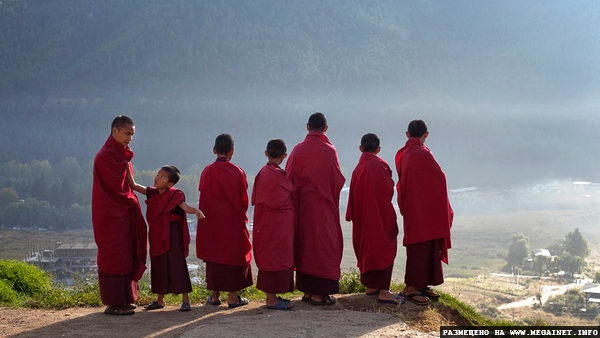
Buddhist monks on a hill in the capital of Bhutan — Thimphu. (Photo Adrees Latif | Reuters):
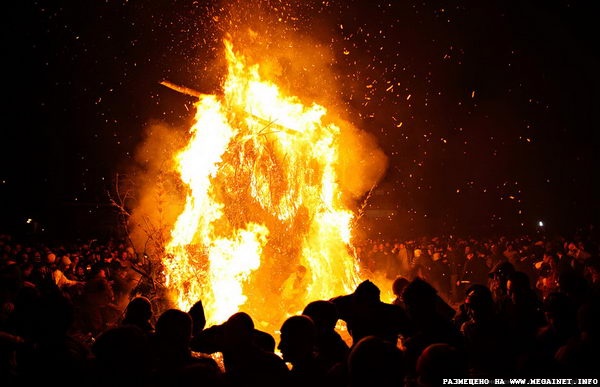
According to local beliefs, to cleanse oneself of the sins accumulated over the year, it is enough to walk through such burning gates. (Photo Tim Chong | Reuters):
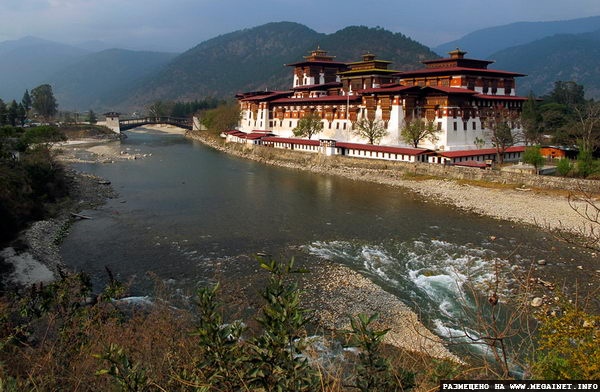
Punakha Dzong or 'Palace of Great Happiness'. This fortress-monastery served for a long time as the winter residence of the king. It is one of the largest buildings in Bhutan. (Photo Michael Smith | Reuters):
In general, happiness in Bhutan is the main asset of the kingdom. Here, they do not plan to double the GDP in 10 years. The government simply does not consider Gross Domestic Product as a measure of the economy. Instead, there is Gross National Happiness. This is a measure of quality of life that includes moral and psychological values. This concept was introduced by the 4th king of this country in 1972, who said: 'The happiness of the people is more important than the percentage of gross domestic product.'
'Gross National Happiness' of the country's economy is planned for 5 years, progress is made very slowly to avoid destroying the main values - culture, family, nature, and the Buddhist religion. (Photo Singye Wangchuk | Reuters):
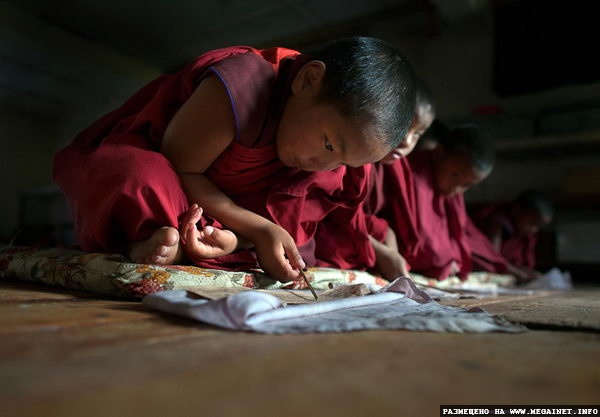
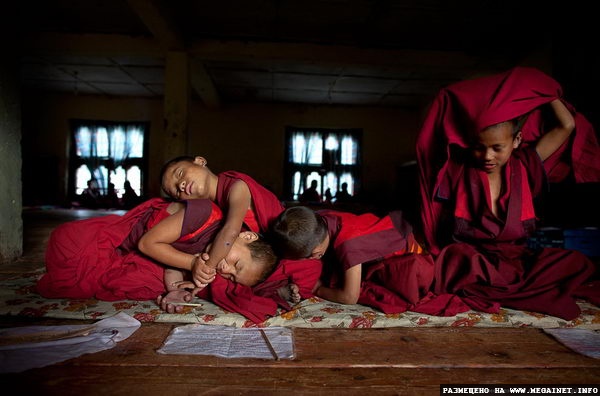
According to traditions, young monks start going to the monastery at the age of 6-9. (Photo Paula Bronstein | Getty Images):
All modern Bhutanese culture has its roots in antiquity. The country, surrounded by the Himalayas, has been protected from the influence of external cultures due to its geographical isolation. (Photo Ed Jones | AFP | Getty Images):
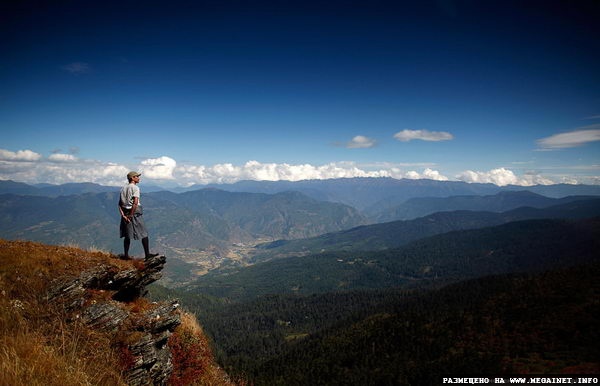
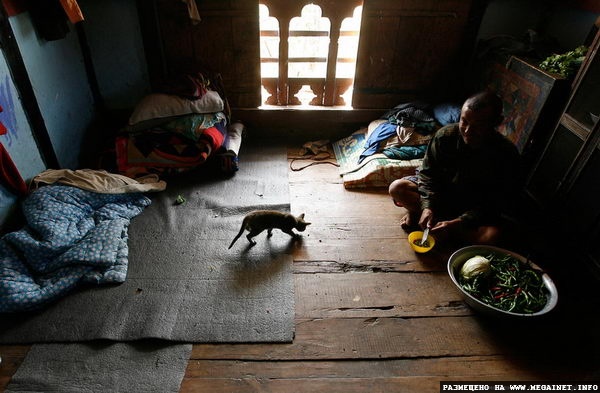
The Kingdom of Bhutan is an agrarian country. For more than 80% of the population, agriculture is the main source of income. This is how the locals live in the villages, not very royally. (Photo Desmond Boylan | Reuters):
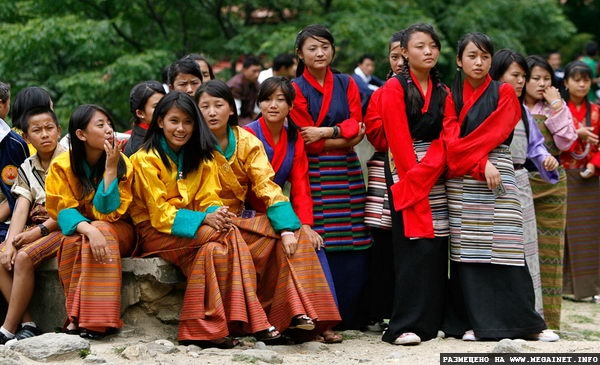
All citizens of Bhutan are required to dress in a certain way in public during daylight hours. Men here typically wear a heavy knee-length robe that is cinched with a belt. Women wear blouses over which they drape a large rectangular piece of fabric called kira. (Photo Kevin Frayer | AP):
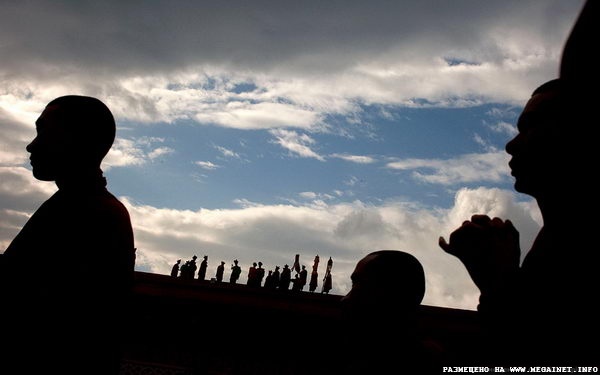
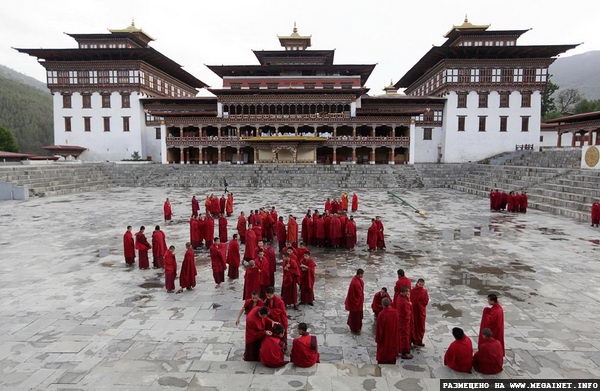
Monks and a complex called Tashichhodzong. (Photo Rupak De Chowdhuri | Reuters):
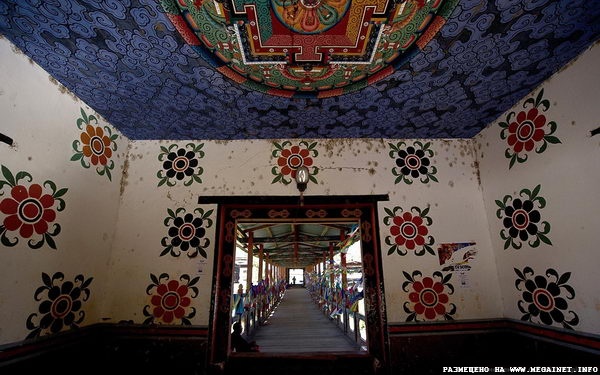
A footbridge to the market in the capital Thimphu, which operates on weekends, Bhutan, August 20, 2011. (Photo Manan Vatsyayana | AFP | Getty Images):
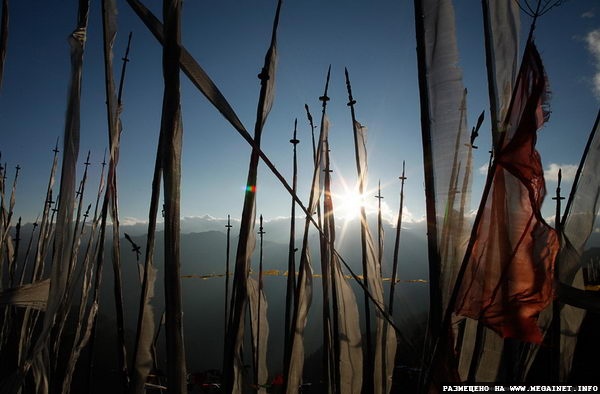
Hatachi – prayer flags. These are pieces of white fabric with prayers that are tied to long wooden poles. (Photo Ed Jones | AFP | Getty Images):
(Photo Paula Bronstein | Getty Images):
One more interesting fact to end with: since 2004, there has been a complete ban on the sale and consumption of tobacco in Bhutan.
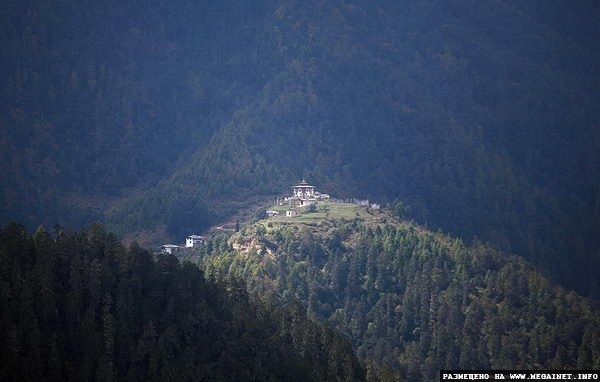
Monastery on the hill. (Photo Ed Jones | AFP | Getty Images):
The history of tourism in Bhutan began in 1974, before which entry into the country was only possible with a personal invitation from the king or queen. The country was opened to foreigners to showcase its unique culture and traditions to the world. (Photo):
The country has 19 mountain peaks exceeding 7,000 meters. The second highest mountain is Jomolhari at 7,314 m. It is a sacred mountain. The highest point in Bhutan is Mount Kula Gangri at 7,550 meters. (Photo Ed Jones | AFP | Getty Images):
There are two versions of the name of the kingdom 'Bhutan'. One of them means 'land of the mountains', while the other means 'the edge of Tibet'. (Photo Kevin Frayer | Reuters):
Bhutan has a population of about 700,000 people, 80% of whom are rural residents. According to the official census, the country's population is declining. (Photo Adrees Latif | Reuters):
The average life expectancy in Bhutan is also not impressive: 66 years for men and 66.3 years for women.
Currently, Bhutan has a constitutional monarchy, and the youngest head of state in the world rules here: the 5th King of Bhutan, Jigme Kesar Namgyel Wangchuck, is only 31 years old. In October 2011, he married a simple 21-year-old student. The ceremony was broadcast on local television. By the way, television was completely banned in Bhutan until 1999. (Photo Triston Yeo | Getty Images):
Of course, the royal wedding took place according to a complex Buddhist ceremony. The 31-year-old king and 21-year-old queen, Thimphu, October 15, 2011. (Photo Adrees Latif | Reuters):
Dancers performing at the wedding ceremony. (Photo Triston Yeo | Getty Images):
This wedding became the main secular event of the year in all of South Asia. More than 1,500 official guests from around the world attended. (Photo Kevin Frayer | AP):
Bhutanese-style celebration. The final dance of the newlyweds together with the guests. The king is almost in the center of the frame, with the queen behind him. (Photo Kevin Frayer | AP):
Buddhist monks' performances at the wedding ceremony, October 15, 2011. (Photo Kevin Frayer | AP):
The capital of Bhutan is the city of Thimphu. It is located at an altitude of 2,400 meters, and only 90,000 people live here. (Photo Adrees Latif | Reuters):
This is what the main street of the capital of the Kingdom of Bhutan looks like. People are waiting for the ceremonial procession of the royal couple, October 14, 2011. (Photo Triston Yeo | Getty Images):
The road to the unique Taktsang Lhakhang monastery. We will tell you more about it now. (Photo Manish Swarup | AP):
Taktsang Lhakhang ('Tiger's Nest') is a famous monastery in Bhutan. It hangs directly on a cliff at an altitude of 3,120 meters and 700 meters above the Paro valley. It was founded in 1692, although the caves here have been used for meditation since ancient times. This monastery is the main tourist attraction of the country. (Photo Adrees Latif | Reuters):
This is what the 'Tiger's Nest' looks like from the outside. (Photo Adrees Latif | Reuters):
The state religion of Bhutan is Buddhism. And this is a huge statue of Buddha, January 1, 2011. (Photo Singye Wangchuk | Reuters):
Buddhist monks on a hill in the capital of Bhutan — Thimphu. (Photo Adrees Latif | Reuters):
According to local beliefs, to cleanse oneself of the sins accumulated over the year, it is enough to walk through such burning gates. (Photo Tim Chong | Reuters):
Punakha Dzong or 'Palace of Great Happiness'. This fortress-monastery served for a long time as the winter residence of the king. It is one of the largest buildings in Bhutan. (Photo Michael Smith | Reuters):
In general, happiness in Bhutan is the main asset of the kingdom. Here, they do not plan to double the GDP in 10 years. The government simply does not consider Gross Domestic Product as a measure of the economy. Instead, there is Gross National Happiness. This is a measure of quality of life that includes moral and psychological values. This concept was introduced by the 4th king of this country in 1972, who said: 'The happiness of the people is more important than the percentage of gross domestic product.'
'Gross National Happiness' of the country's economy is planned for 5 years, progress is made very slowly to avoid destroying the main values - culture, family, nature, and the Buddhist religion. (Photo Singye Wangchuk | Reuters):
According to traditions, young monks start going to the monastery at the age of 6-9. (Photo Paula Bronstein | Getty Images):
All modern Bhutanese culture has its roots in antiquity. The country, surrounded by the Himalayas, has been protected from the influence of external cultures due to its geographical isolation. (Photo Ed Jones | AFP | Getty Images):
The Kingdom of Bhutan is an agrarian country. For more than 80% of the population, agriculture is the main source of income. This is how the locals live in the villages, not very royally. (Photo Desmond Boylan | Reuters):
All citizens of Bhutan are required to dress in a certain way in public during daylight hours. Men here typically wear a heavy knee-length robe that is cinched with a belt. Women wear blouses over which they drape a large rectangular piece of fabric called kira. (Photo Kevin Frayer | AP):
Monks and a complex called Tashichhodzong. (Photo Rupak De Chowdhuri | Reuters):
A footbridge to the market in the capital Thimphu, which operates on weekends, Bhutan, August 20, 2011. (Photo Manan Vatsyayana | AFP | Getty Images):
Hatachi – prayer flags. These are pieces of white fabric with prayers that are tied to long wooden poles. (Photo Ed Jones | AFP | Getty Images):
(Photo Paula Bronstein | Getty Images):
One more interesting fact to end with: since 2004, there has been a complete ban on the sale and consumption of tobacco in Bhutan.
Monastery on the hill. (Photo Ed Jones | AFP | Getty Images):
How useful is the material?Evaluation helps us choose topics
00 ratings
Listening to the articleReading aloud
Left:minFinishedListenPauseResumeReading aloudPausedQuote copiedFocus mode onFocus mode offFont sizeNo voice for this language in your browser