Scientists have revealed the mechanism by which an intestinal bacterium can cause colon cancer
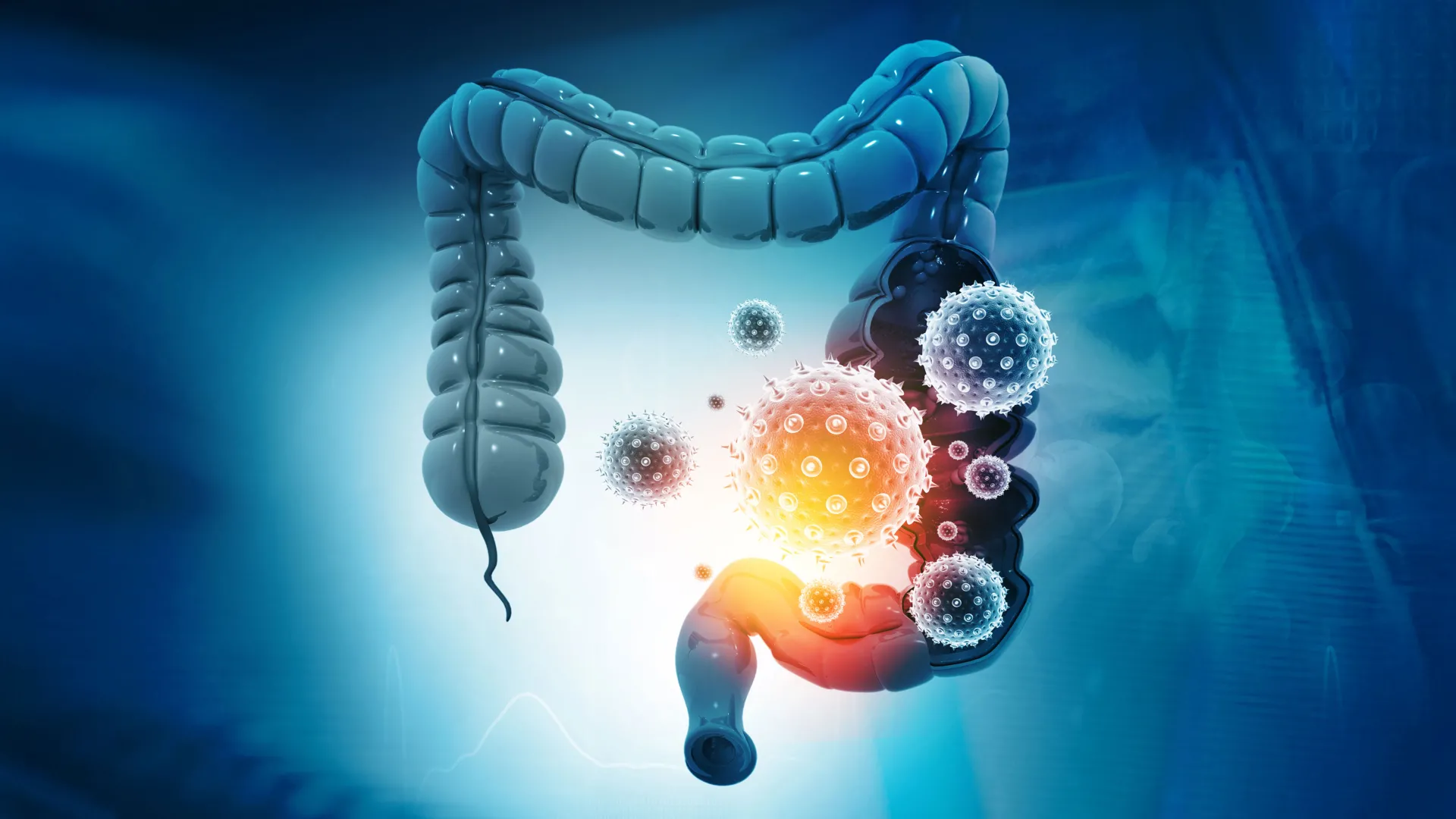
- Scientists have identified how the BFT toxin binds to colon cells
- The discovery may lead to new methods of cancer prevention
- The research is supported by the National Institutes of Health of the USA
The mechanism of action of the intestinal bacterium toxin
For nearly two decades, scientists have known that a common intestinal bacterium can produce a toxin that damages the colon and promotes tumor formation. However, the mechanism by which the toxin binds to intestinal cells has remained unclear. Researchers from Johns Hopkins University, working in the field of oncology, have finally uncovered this important step, opening new possibilities for protecting the colon from cancer.
In their work published in the journal Nature, a team of scientists led by Professor Cynthia Sears identified the protein claudin-4 as the key binding point for the toxin known as BFT. This discovery was made possible by using CRISPR gene-editing technology, which allowed researchers to disable genes in colon cells and determine which ones are necessary for toxin binding.
The study showed that when the gene responsible for synthesizing claudin-4 was turned off, the BFT toxin could no longer bind to the cells of the colon. This finding confirmed that claudin-4 acts as a receptor for the toxin, which is an important step in understanding the mechanism of its action and potential intervention pathways.
Discovery of a new mechanism
The BFT toxin, produced by the bacterium Bacteroides fragilis, can cause inflammation and promote tumor growth in the colon. Although the presence of this bacterium does not always lead to cancer, certain strains are capable of producing a potent toxin that disrupts the intestinal barrier. This discovery highlights the importance of studying the interaction between the microbiome and cancer development.
In 2009, Siars and her colleagues demonstrated that the toxin can promote tumor development in the colon by establishing a link between toxin-producing bacteria, chronic inflammation, and cancer. However, until recently, the mechanism by which the BFT toxin interacts with intestinal cells remained unclear.
Researchers expected the toxin to interact with a protein involved in cellular signaling; however, claudin-4 serves a completely different function by maintaining physical connections between neighboring cells. This discovery also demonstrated an unusual mode of action for the bacterial toxin, which requires a separate receptor to achieve its goal.
The role of claudin-4 in binding the toxin
To confirm the connection between BFT and claudin-4, scientists from Johns Hopkins University collaborated with structural biologists from Barcelona. They used methods to measure molecular interactions and demonstrated that BFT and claudin-4 form a stable complex, confirming their connection at the molecular level.
The discovery of claudin-4 as a receptor for the BFT toxin not only explains how the toxin acts but also gives scientists ideas for blocking it. If BFT requires claudin-4 to bind to colon cells, it may be possible to create a substitute that distracts the toxin from its target molecule.
The study also highlights the importance of further exploring the interaction between the microbiome and diseases such as cancer. Understanding the mechanisms by which bacteria can cause damage may lead to new diagnostic and therapeutic methods aimed at preventing diseases related to intestinal infections.
Prospects for cancer prevention
Cynthia Sears noted that this discovery is an important step in understanding how bacterial toxins can affect human health. "Understanding how bacterial toxins work can open doors to new approaches to the diagnosis and therapy of related diseases," she said.
The study received partial support from the National Institutes of Health in the USA, underscoring its significance for the medical community. Scientists hope that their work will lead to the development of new methods for the prevention and treatment of colorectal cancer, as well as other diseases related to intestinal bacteria.
Thus, the discovery of the mechanism by which the BFT toxin binds to colon cells represents an important step in the fields of oncology and microbiology. It opens new horizons for the development of effective prevention and treatment methods, which could significantly improve public health.
Source: ScienceDaily