Unusual activity beneath the Masaya volcano raises concerns among scientists
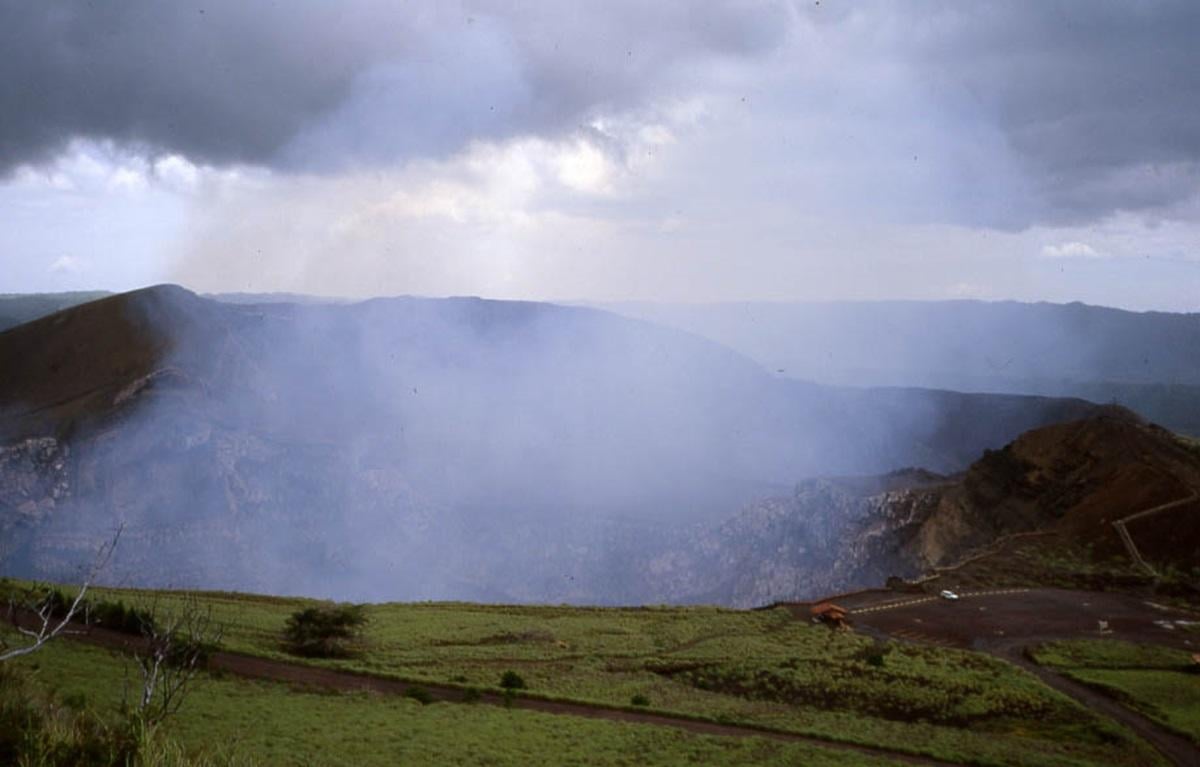
- Scientists have discovered two sources of magma beneath the Masaya volcano
- This could affect 2 million residents
- Research will aid in predicting eruptions
Unusual activity beneath the Masaya volcano raises concerns among scientists
Recent studies beneath the Masaya volcano in Nicaragua have revealed two previously unknown sources of magma, raising new questions about how magma moves beneath the surface. About 2 million people live within a 20 km radius of the volcano, making these discoveries particularly relevant for the safety of the local population. Scientists from Pennsylvania State University used satellite observation data over six years to track changes in the terrain around the volcano.
During the study, it was noted that one part of the volcano initially sank and then began to rise. This may indicate the influx of fresh magma into a deep reservoir. At the same time, the terrain around the active Santiago crater continued to sink, suggesting that a smaller magma reservoir behaves differently. These observations help scientists better understand the dynamics of magma beneath the volcano and may improve monitoring and forecasting of eruptions in the future.
Lizzie Johnson, the lead author of the study, noted that understanding the volcanic activity of Masaya and the associated hazards is crucial, considering that about 2 million people live near the volcano. The last major lava flow from Masaya was recorded in 1772; however, the continuous degassing of the volcano leads to the formation of dangerous concentrations of volcanic gas, such as sulfur dioxide.
Opening new sources of magma
Satellite measurements showed an interesting pattern during the period from 2018 to 2024. In the first part of the study, the ground within the Masaya caldera gradually subsided and then began to rise. Scientists suggest that this transition may reflect changes in the volume of magma accumulating underground. When magma exits the reservoir, the ground above it subsides, and with the influx of new magma and increased pressure, the surface can rise.
The most surprising discovery was that the area around the Santiago crater did not follow this pattern. It continued to subside throughout the six-year study, even when the larger caldera began to rise. This may indicate that the "plumbing" system beneath the volcano is more complex than previously thought and may be related to a decrease in the volume of magma in a smaller reservoir.
These observations suggest that there may be at least two separate parts of the magma storage system beneath the Masaya volcano, which are undergoing different changes. A deep source may supply additional magma to the main reservoir, while a smaller reservoir at the Santiago crater may be losing magma. This finding highlights the need for further research to understand the dynamics of volcanic activity.
Impact on the local population
The Masaya volcano is a popular tourist destination, which also adds a level of complexity to safety issues. Given that a large number of people live near the volcano, scientists emphasize the importance of monitoring volcanic activity and developing evacuation plans in case of a possible eruption. It is crucial for local authorities to be prepared for any changes in the volcano's activity.
Despite the fact that the last major lava flow was recorded over 250 years ago, the constant degassing of the volcano poses health risks to local residents. High concentrations of sulfur dioxide can cause respiratory diseases and other health problems. Therefore, it is important to continue research and monitoring of volcanic activity.
Uncertainties in the behavior of magma beneath the Masaya volcano remain. Scientists continue to study how exactly magma moves through underground reservoirs and channels. These systems can change over time, making it difficult to accurately determine the processes occurring. Therefore, further research is necessary for a deeper understanding of volcanic activity.
Uncertainties and further research
Volcanology as a science continues to evolve, and new technologies, such as satellite observations, play a key role in this process. They allow scientists to obtain data that was previously unavailable and improve the forecasting of volcanic eruptions. This is especially important for active volcanoes like Masaya.
In conclusion, the discovery of new magma sources beneath the Masaya volcano highlights the need for continuous monitoring and research. Given the potential risks to millions of people living near the volcano, it is important for scientists and local authorities to work together to ensure the safety of the population.
Thus, the Masaya volcano remains a subject of close attention from scientists. Understanding its activity and magma dynamics can help prevent possible disasters in the future. It is important to continue research and develop technologies that will help better predict volcanic eruptions.
Source: UNIAN