Formula 1 faces an AI problem: how will it affect the next game?
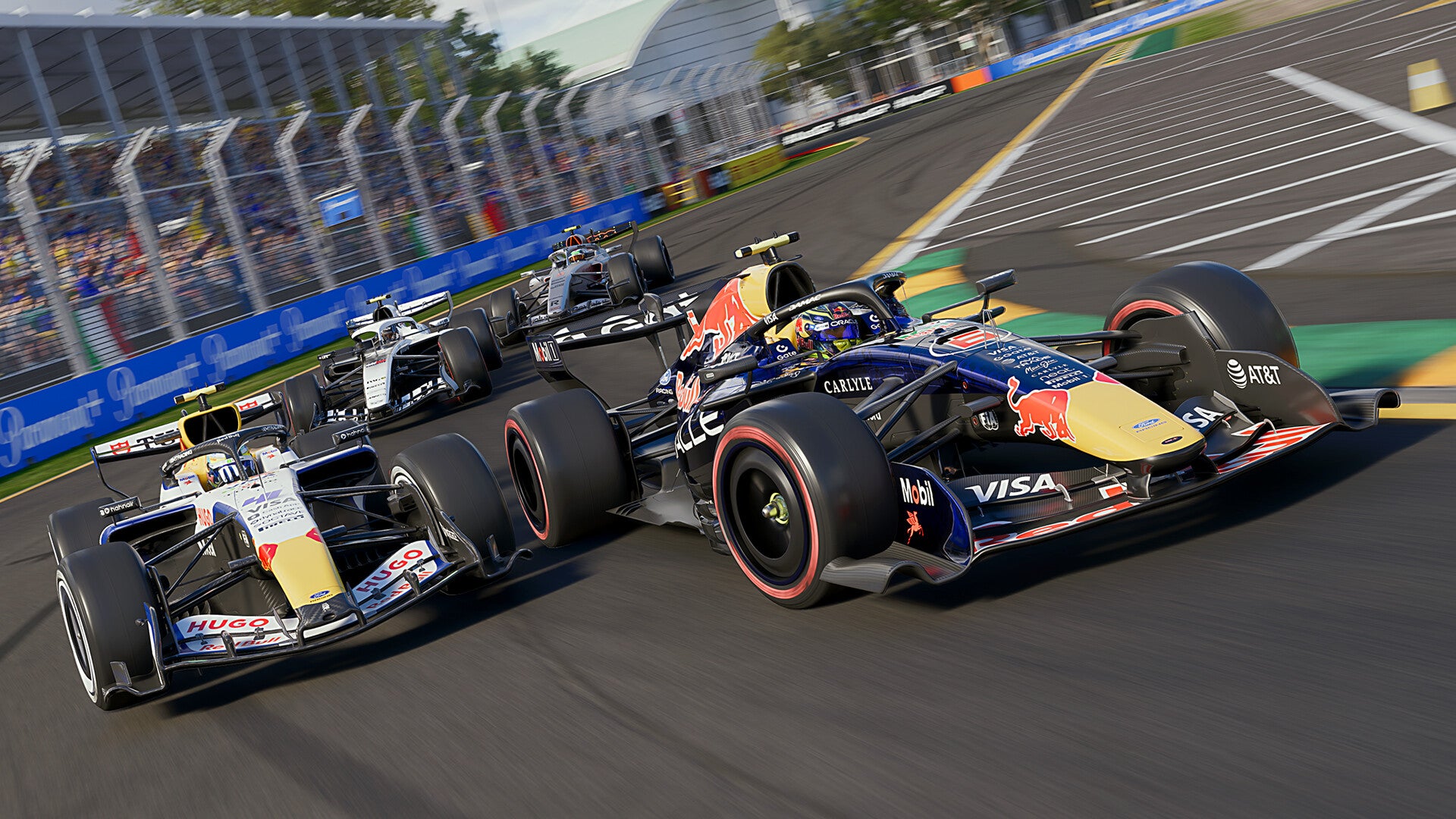
- Formula 1 faces AI issues
- Codemasters must adapt the game to new regulations
- Players may encounter unpredictable situations in the game
Formula 1 faces AI issues
Since acquiring the Formula 1 license in 2009, Codemasters has balanced between simulation and arcade in its games. However, with the introduction of new regulations for the 2026 season, developers are facing new challenges. In particular, the use of AI for managing power distribution in hybrid power units has become a significant factor affecting car handling. This creates difficulties for both drivers and game developers striving to replicate the realities of motorsport.
Recent incidents on the track, such as the software failure on a wet track in Sepang, have demonstrated how AI can impact racing. Cars lost power and moved at 20 miles per hour during warm-up, requiring teams to install software updates. Drivers like Lewis Hamilton reported the need to restart the engine, highlighting how much AI can interfere with car control.
Furthermore, incidents like Valtteri Bottas's crash in Baku show that energy distribution issues can lead to unexpected consequences. Bottas explained that his crash was caused not by driver error, but by failures in the energy distribution system. This raises questions about how much control drivers have over their cars and how this can be replicated in games.
The impact of new regulations on Formula 1
With the introduction of new technologies, such as super-clipping, where the car loses power to gather energy, drivers face situations where they cannot control their actions. Lando Norris, for example, described how he accidentally overtook Hamilton due to automatic energy distribution, which left him vulnerable on the next straight. This highlights how significantly AI influences racing and how difficult it can be to replicate in the game.
Codemasters developers have always paid attention to details such as tire wear and engine modes. However, with new regulations introducing automatic energy distribution, the question arises as to how this will affect gameplay. If the game becomes too realistic, players may encounter unpredictable situations where their cars slow down on straight sections, which could diminish the enjoyment of the game.
According to new regulations that will come into effect in 2027, changes are planned for the way energy is collected, which could improve the situation. However, no one knows how these changes will affect real races and, consequently, the game. Codemasters will have to quickly adapt to the new conditions to ensure a realistic and engaging gameplay.
Management issues and their consequences
At the same time, players may be prepared for developers to use creative licensing to make the game more playable. For example, the ability to vote on changes in energy distribution could become an interesting element for players seeking a more traditional driving style. This could become one of the key points for F1 2027.
The difficulties associated with managing cars in real races may lead Codemasters to seek a balance between realism and playability. If the game is too difficult, it may deter new players, while experienced racers will look for ways to exploit any flaws in the system.
Moreover, online racing can become a battleground for conflicts, especially if players start accusing each other of exploiting flaws in energy distribution. This can create tension within the player community, which will also affect the perception of the game.
The future of Formula 1 games and Codemasters
Codemasters developers will need to consider all these factors to create a game that satisfies both experienced racers and newcomers. This requires careful work and quick responses to changes in real racing.
Ultimately, the future of Formula 1 games depends on how Codemasters can adapt to new challenges. If they can find the right balance between realism and playability, it could lead to the creation of an engaging gaming experience that attracts both fans and new players.
Thus, Formula 1 and Codemasters stand on the brink of significant changes. How they handle the challenges related to AI and new regulations will determine not only the future of the game but also the perception of motorsport itself in the eyes of viewers and players.
Source: IGN