The German megaturbine, 365 m tall, is ready for launch in November
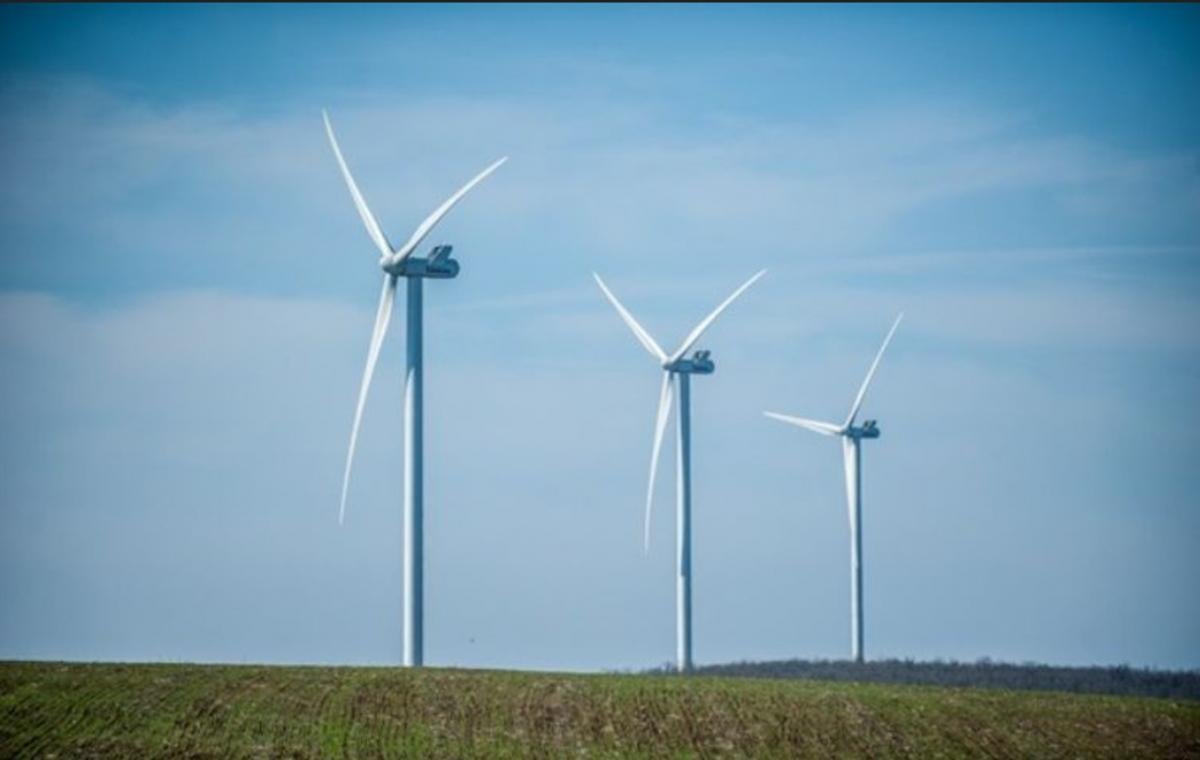
- The megaturbine, 365 m tall, is the tallest in the world
- Produces energy for 7,500 homes per year
- Funding of €20-30 million through SPRIND
In the Shipkau region in eastern Germany, the final assembly of a unique wind turbine has been completed, reaching a height of 365 meters. This makes it the tallest wind generator in the world, as officially announced by the construction company.
To construct such a tall structure, a 'telescopic' lifting technology was used for the internal part of the tower, allowing for the absence of traditional cranes. The installation itself was raised using a cable system that required precise coordination of workers.
Considering a height of 365 m, the turbine is second only to the Berlin TV tower (368 m), making it the second tallest structure in the country. The tower itself is 300 m, and the remaining 65 m form the rotating blades.
The project is designed to produce twice the energy of standard wind turbines. According to the developers' estimates, its annual electricity output will be able to meet the needs of approximately 7,500 average households.
The turbine is part of the large Shipkau wind farm, where about fifty units are planned to be installed. Construction of the park began in 2000, and the new megaturbine is set to be its flagship.
Funding and regional context
The project is funded by government funds ranging from 20 to 30 million euros through the Federal Agency for Innovations SPRIND. It is being implemented in a mining region where mines are planned to be closed by 2038 as part of Berlin's climate goals.
The launch of the megaturbine is seen as a step towards maintaining the competitiveness of Europe's largest economy in energy technologies. This is especially relevant against the backdrop of industrial decline, investment shortages, and rising energy prices caused by conflicts in Ukraine and Iran.
The initiative serves as a pilot example of 'second-level wind farms', allowing for increased output without the need to create new sites. According to a representative of Gicon, this approach could become a model for further expansion of renewable generation.
Despite the support, the project faces criticism from the far-right AfD party, which points to potential negative consequences for the landscape and local biodiversity.
Source: UNIAN