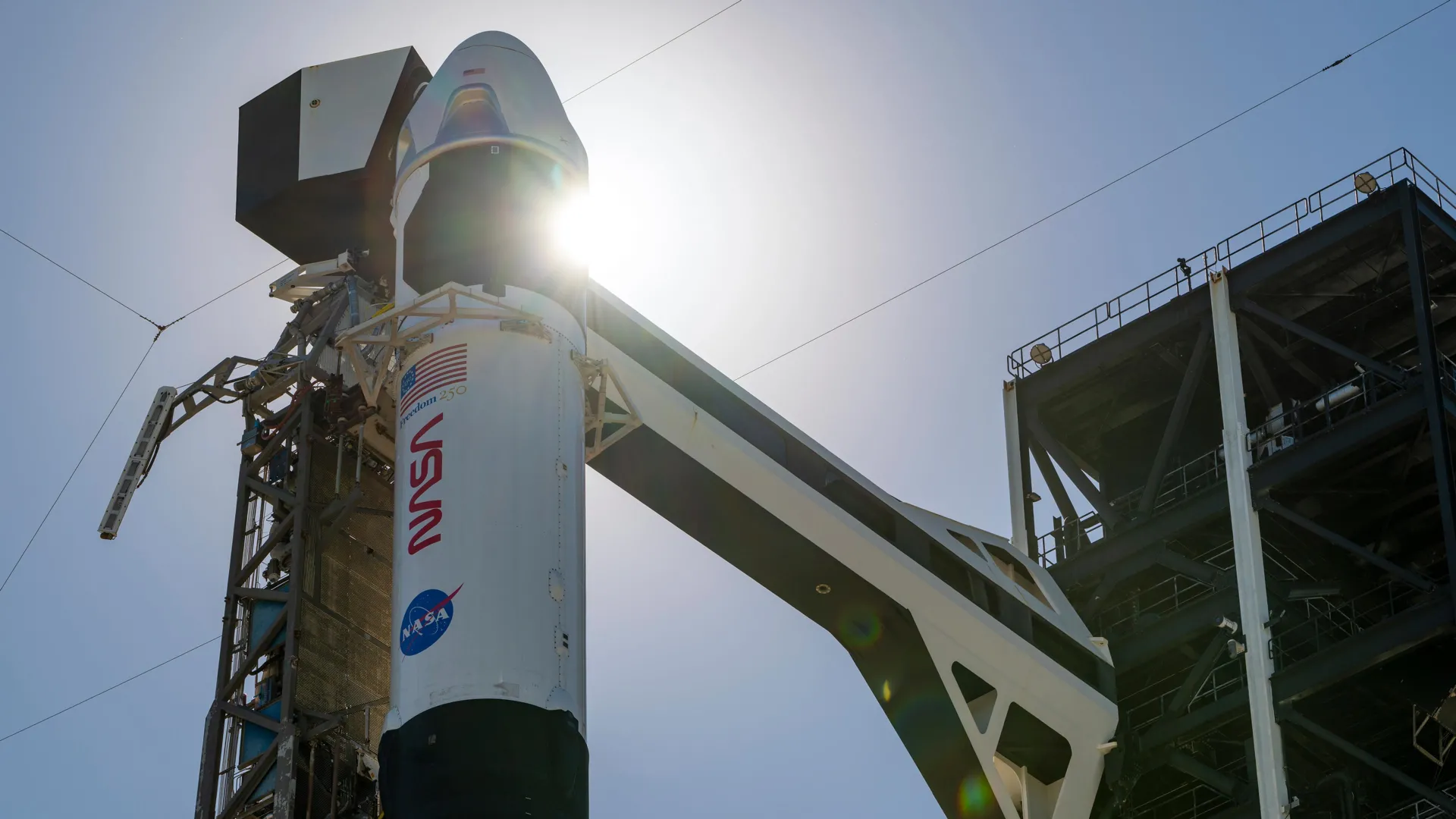
SpaceX set a record: two Falcon 9 rockets launched in 38 minutes
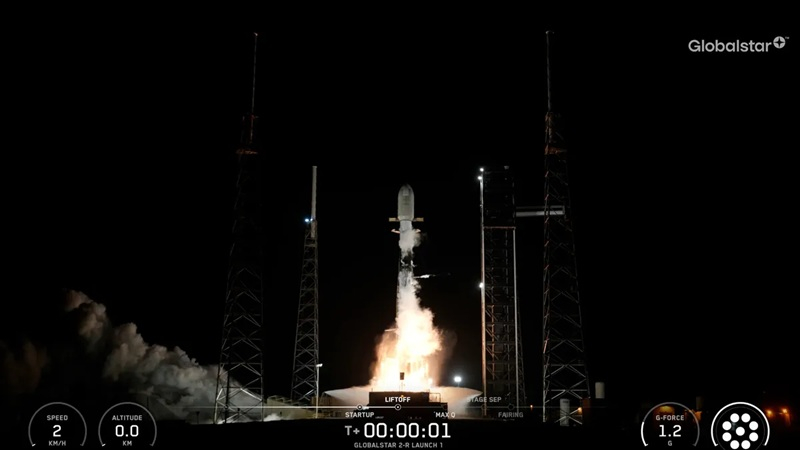
- SpaceX launched two Falcon 9 rockets in 38 minutes – a new record.
- The first flight delivered 8 Globalstar satellites from Cape Canaveral.
- The second flight was a secret mission USSF-366 with possible Starshield satellites.
- By 2026, Falcon 9 had completed 96 launches, 75% of which were for Starlink.
On August 15, 2026, SpaceX, the leader in the number of launches, recorded a record interval between two orbital flights – just 38 minutes. The previous record, set in late August 2024, exceeded the new record by 27 minutes.
First launch
At 21:12 EDT (04:12 MSK on August 16), the Falcon 9 rocket launched from the Cape Canaveral spaceport, carrying eight telecommunications satellites from Globalstar into low Earth orbit. This was the 14th flight of the first stage, which successfully returned to the landing site at Canaveral about eight minutes later.
Second launch
After 38 minutes, at 21:50 EDT (04:50 MSK), the second Falcon 9 launched from Vandenberg Air Force Base in California as part of a classified U.S. mission codenamed USSF-366. According to analysts, the payload may have included secret low-orbit satellites built on the Starshield platform – a modification of the well-known Starlink system.
The first stage of the second rocket, which has already completed its 18th flight, landed on the autonomous floating platform 'Of Course I Still Love You' in the Pacific Ocean after 8.5 minutes.
The launch of USSF-366 confirms the growing involvement of SpaceX in American military projects. The Starshield platform, developed in collaboration with the defense sector, enables the rapid deployment of small satellites intended for communication, observation, and navigation.
Considering Saturday's flights, the total number of Falcon 9 launches in 2026 reached 96, of which about three-quarters (≈75%) were dedicated to deploying the Starlink satellite network. This pace underscores the strategic role of the company in commercial and government space infrastructure.
The record interval demonstrates how quickly SpaceX is able to prepare and execute consecutive missions, enhancing its competitiveness and providing the U.S. with an additional lever in the space domain.
Source: 3DNews