How we decode hidden codes of reality: books about genes, smells, and history

- Genes store information about millions of years of evolution
- Smells are directly linked to the retrieval of memories
- Speech and pauses in it reveal attempts to hide the truth
- History is often rewritten by political interests
The world around us constantly sends hidden signals that require interpretation and understanding. These messages come in various forms — from the molecular level to complex social and historical processes. The books collected in this selection offer a glimpse behind the veil of these invisible mechanisms and help to understand how the informational diversity of our lives is structured.
One of the central themes is how genetic information serves as a kind of archive of the past. Cells store not only instructions for the current functioning of the organism but also the history of evolution, captured in DNA. This genetic code can be seen as an ancient language in which millions of years of life's development on Earth are recorded.
Another important aspect is the role of smell in memory restoration. Scents have a unique ability to evoke memories with extraordinary strength and vividness. This phenomenon is related to the special structure of our nervous system, where olfactory signals are directly linked to memory centers in the brain. Thus, smell becomes a bridge between the present and the past.
Human speech also carries many signs that reveal our true state. Accidental slips of the tongue, pauses, changes in tone, and word choice — all of this can uncover what a person is trying to hide. Linguistic analysis shows that lies often leave specific traces in the way of communication that can be learned to recognize.
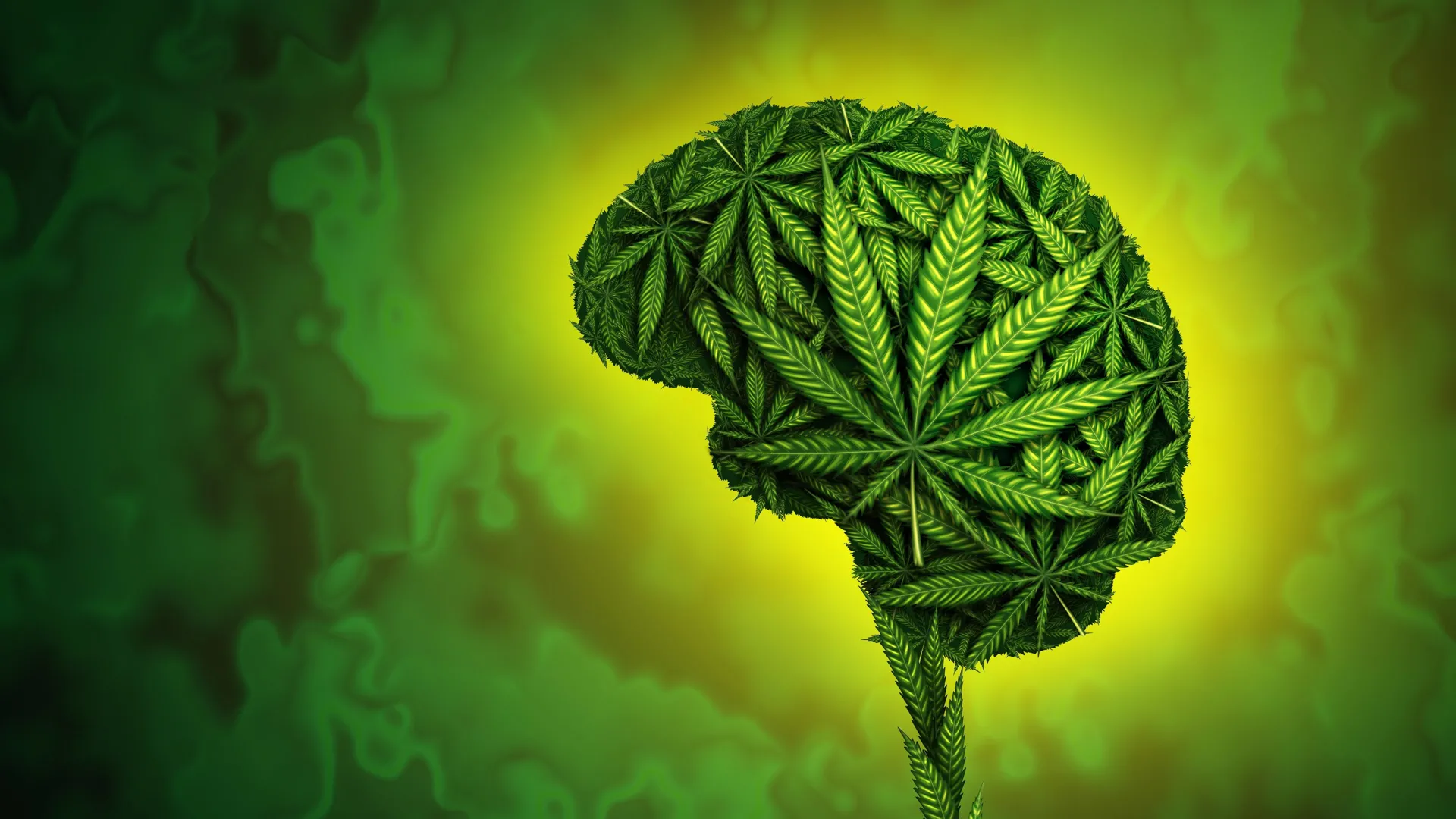
The human brain is constantly actively constructing a picture of reality, and this process is not always objective. The brain adds, corrects, and fills the received information with its own assumptions and expectations. This means that our perception of reality often differs from objective facts more than we are used to thinking.
Historical narratives are also subject to constant rewriting under the influence of political and economic interests. What is presented as trade and progress often masks a more complex reality related to influence, control, and the rephrasing of past events. Empires and states throughout history have actively used the reinterpretation of historical facts to legitimize their power and influence.
All these phenomena—from molecular biology to macrohistory—demonstrate a single principle: information in our world rarely comes in pure form. It always passes through filters of interpretation, whether they are biological mechanisms of the brain, emotional reactions, or ideological settings. Understanding these hidden coding systems helps us approach information more critically and better understand the complex processes that shape our reality.
Source: N+1