Genetic analysis of the “vampire woman” remains from Poland reveals her Scandinavian roots
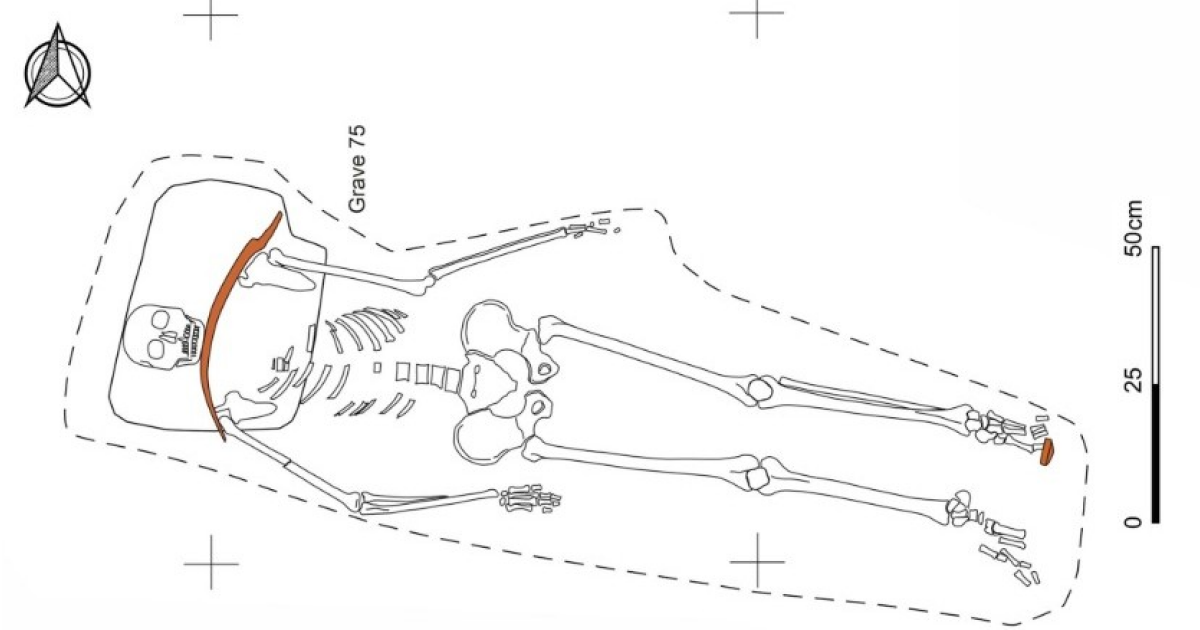
- The skeleton belonged to a young woman from the Polish elite.
- Genetics revealed Scandinavian roots on the maternal line.
- The burial is dated to the mid-17th century, and the results have been published.
A group of international researchers presented the results of a comprehensive study of human remains, popularly known as 'the vampire.' The remains were discovered in Poland during archaeological excavations conducted several years ago.
The burial site was located in a rural area where, in the 17th century, traditions related to burial rites and beliefs about the unclean existed. Based on the appearance of the skeleton and accompanying artifacts, archaeologists immediately suggested that the woman belonged to a wealthy family.
Anthropologists estimated that the deceased was about 20-25 years old. The tomb contained items made of expensive materials – metal jewelry and ceramics, which confirm her high social status.
Genetic profile
To determine the biological origin, scientists conducted a DNA analysis using modern mitochondrial genome sequencing techniques. The results indicate that the woman's maternal ancestors had Scandinavian roots, most likely from areas corresponding to present-day Denmark, Sweden, or Norway.
Despite the Scandinavian genetic heritage, other genetic markers and the archaeological context suggest that the girl herself was likely born and lived in Poland. The burial date, determined by radiocarbon analysis, dates back to the mid-17th century – a period when the Polish-Lithuanian state actively interacted with its northern neighbors.
The study is published in the scientific journal Journal of Archaeological Science: Reports. The authors emphasize that the combination of archaeological data and genetics opens new opportunities for understanding migration processes in Europe at that time.
The data obtained also helps to separate historical facts from myths. The image of the 'vampire' that arose in folk traditions was often associated with unusual burial practices; however, the genetic material does not confirm the presence of any pathologies that could have given rise to such legends.
Source: N+1