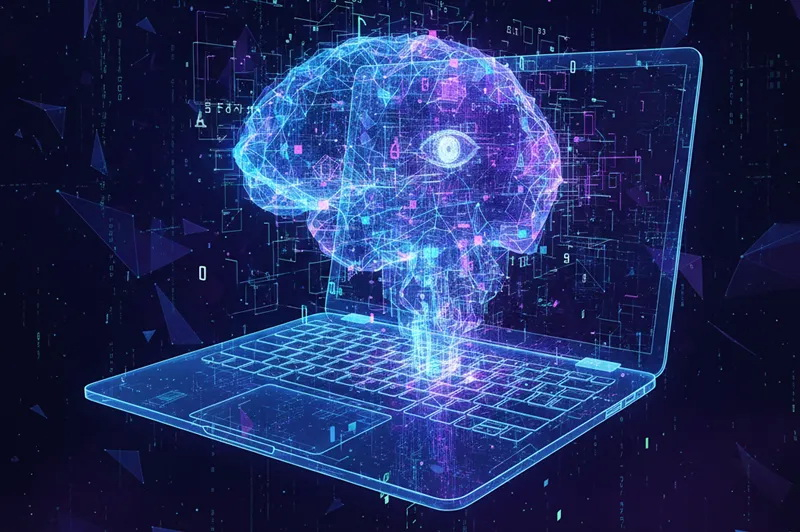
The Astra and Claude Opus AI models decoded two unsolved messages from the 'Enigma'
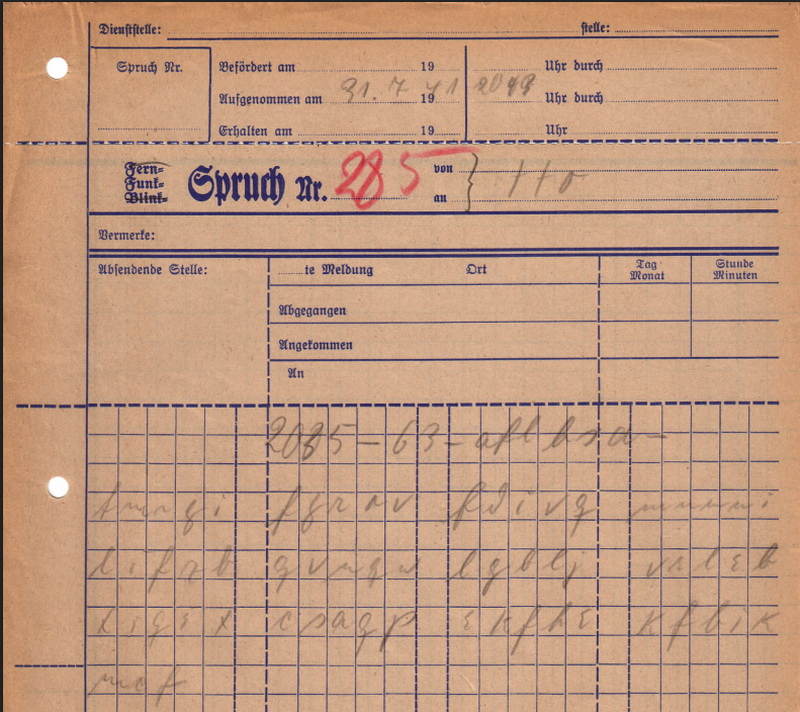
- AI models Astra and Claude Opus decrypted two Enigma messages
- The solutions are confirmed by independent crypto analysts
- There are seven completely unsolved messages
- AI technologies accelerate historical cryptoanalysis
Recently, two independent researchers announced that they managed to decrypt two messages encoded by the German Enigma machine that had remained unsolved for over half a century. Large language models were used for the solution – Astra, developed by OpenAI, and Claude Opus 5 from Anthropic.
Historical context
During World War II, British cryptanalysts led by Alan Turing created the electromechanical decoder 'Bombe', which allowed them to read most of the German correspondence. However, a small part of the archival messages was never fully decrypted due to transmission errors or the peculiarities of the original cipher.
In 2024, developer Carter Leffen tasked the Astra model with finding unsolved messages in the database and attempting to decode them. The model conducted an automated search through the archives, identified contextual clues, simulated the workings of the 'Enigma', and restored the plaintext of a message that had remained a mystery since 2005. Based on the result, Leffen created an interactive web resource where he detailed the process.
Retired engineer Frode Weierud, owner of the Crypto Cellar website, checked the received text and confirmed its accuracy. Weierud noted that the Astra logs contained links to a 'private collection' of messages not posted on his site, and suggested that the model might have used open archives from the Federal Archive of Germany (Bundesarchiv) or data published by other researchers.
'GPT-6 Astra works as a highly qualified cryptoanalyst and archivist. What would take a person weeks or months, the system accomplished in two days,' wrote Weirud, adding that he himself spent several weeks studying documents from the Bundesarchiv referenced by the model.
Meanwhile, another analyst, Jack Willis, used the Claude Opus 5 model, providing it with more detailed input, including the signature of a specific officer. With this information, the model successfully decrypted the second message, which had also remained unsolved until recent days.
According to Weirud, after these discoveries, only seven completely undeciphered messages from the "Enigma" remain in the archive, and one for which the plaintext is known, but the cipher has not yet been cracked.
These results demonstrate how modern AI technologies can accelerate work on historical tasks, opening new opportunities for researchers and archivists, and also highlight the importance of open access to documents and collaboration between specialists from different fields.
Source: 3DNews