Tesla stock down 6 % after disappointing debut of autonomous taxis Cybercab
- Tesla shares fell by 6% after the debut of Cybercab
- The company did not disclose details about the licenses and the cost of the service
- Users complained about routing errors and delays
- The NHTSA regulator requested clarifications on the legality of the taxi
Tesla has introduced its first autonomous taxi service called Cybercab, but the market reaction has been negative – the electric vehicle manufacturer's stock fell by six percent on the very first day after the official debut.
Technical details and production timelines
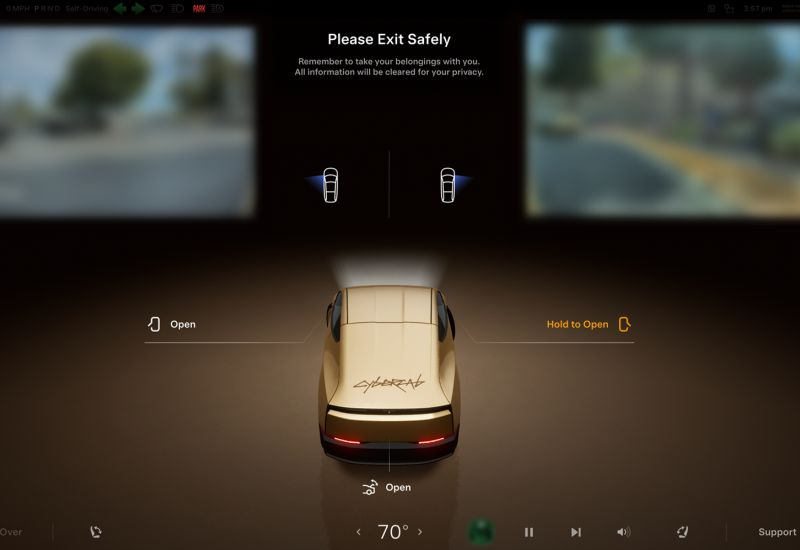
The assembly of the car without a steering wheel and pedals began at the Austin plant in April of this year, and in July the model received serial production status. Cybercab is designed to transport two passengers and their luggage, with no conventional controls in the cabin, and operation is fully managed through a software interface.
Launch of the service and first rides
The official Tesla website already features a guide for users of the new service, describing how to interact with the app and order a ride. The cars have started to circulate on the streets of the Texas capital, providing commercial passenger transport in a limited geography.
The NHTSA regulator has shown interest in the legal aspects of such a service, requesting clarification on the presence of official permits and compliance with safety requirements.
Analysts at RBC Capital Markets, commenting on the situation for CNBC, pointed out several reasons that caused disappointment among investors. Firstly, the company provided only scant information about the product, failing to disclose details of official permits and the cost of the service. Secondly, there was no data on the planned production volumes of Cybercab, as well as the traditional online broadcast of the event, which usually accompanies major Tesla announcements.
In addition, messages from the first passengers have started appearing on social media, documenting errors in route construction, extended wait times, and trips, which has increased public skepticism.
The decline in stock prices reflects growing pressure on Tesla from investors demanding greater transparency in autonomous driving projects. The unsuccessful launch of Cybercab may slow the company's plans to scale up robotaxi services and increase regulatory scrutiny on safety and licensing issues for such services.
For the industry as a whole, the event underscores that even major players with significant technological resources face risks when introducing fully autonomous vehicles to the market without adequate preparation and communication with investors and regulatory bodies.
Source: 3DNews