Sukkot 2026: date, meaning, and main customs of the holiday
- Sukkot 2026 begins on September 22 according to the Gregorian calendar.
- The holiday lasts for eight days, including Shemini Atzeret.
- Traditions: building a sukkah, the ritual of the four species, hospitality.
Sukkot opens a series of joyful Jewish holidays after the strict fast of Yom Kippur. The holiday, also known as the 'Festival of Booths', symbolizes gratitude for salvation and harvest, as well as a remembrance of the forty years of the Israelites' wandering in the desert.
Date of celebration in 2026
In 2026, Sukkot begins on the 15th of the Jewish month of Tishrei, which corresponds to September 22nd on the Gregorian calendar, and continues until the 21st of Tishrei (September 28th). The holiday lasts for eight days, of which the first seven are the traditional Sukkot, and the last day is Shemini Atzeret, concluding the festive cycle.
The biblical basis of Sukkot is outlined in the Torah (Leviticus 23:33-43). It commands the building of 'booths' (sukkah) and spending a significant part of the day in them, remembering how the ancestors lived in temporary shelters during the exodus from Egypt. This practice emphasizes human dependence on God's protection and care.
The main ritual is the construction of a sukkah, a temporary wooden or metal frame covered with branches, leafy materials, and fabric. The sukkah must be sturdy enough to enter, but its roof should allow for the visibility of stars. Inside, a table is usually set up where the family eats and sometimes sleeps.
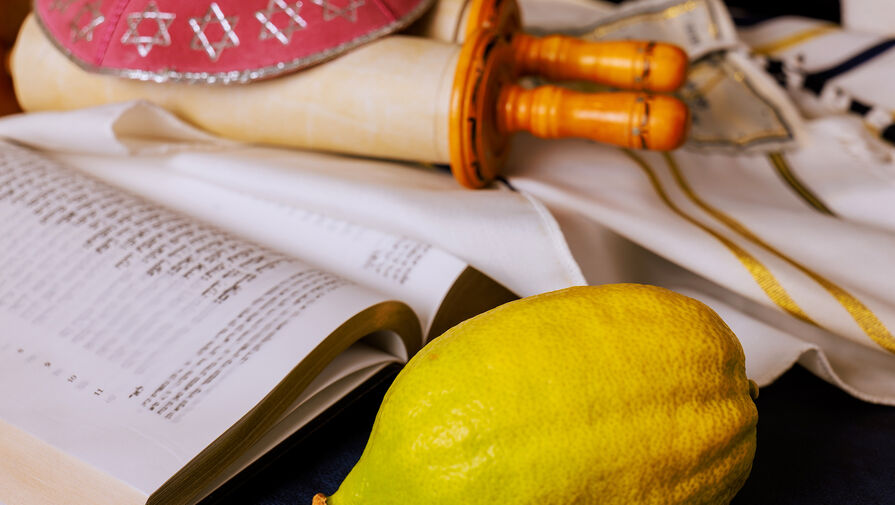
During Sukkot, the ritual of the 'four species' (lulav) is observed. Believers take in their hands a lulav (palm branch), etrog (citron), hadas (myrtle branch), and aravah (willow branch), combining them into one bouquet and waving it at certain moments of prayer. This ritual symbolizes the unity of nature and gratitude for its fruits.
Festive meals in the sukkah are accompanied by hospitality: doors are opened for friends, neighbors, and those in need, inviting them to the table. Traditional dishes include bread, fish, meat, and of course, wine, which is sanctified during the blessing.
The seventh day of Sukkot – Hoshana Rabbah, is considered special, when additional prayers are performed and forgiveness is sought. After the conclusion of Sukkot follows Shemini Atzeret and Simchat Torah – the day when the reading of the Torah is completed and immediately a new cycle begins, emphasizing the continuity of Jewish tradition.
Today, Sukkot is celebrated both in Israel and in Jewish communities around the world. The holiday unites generations, reminding of historical roots and the modern significance of unity, gratitude, and hope for the future.
Source: Gazeta.ru Culture