Mawlid Night 2026: date, meaning and celebration traditions
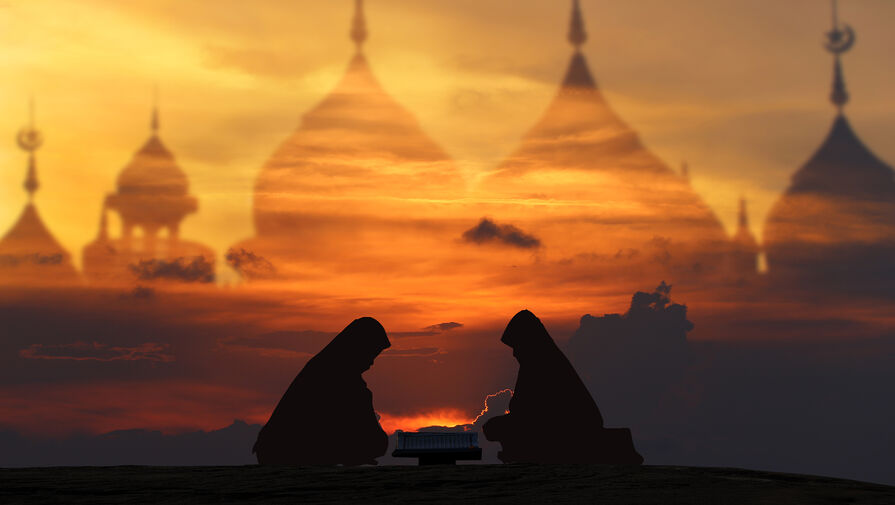
- Mawlid an-Nabi is celebrated on the 12th of Rabi' al-Awwal.
- The date in 2026 changes according to the Gregorian calendar.
- The holiday includes prayers, Quran readings, and charity.
- Family meals and community events strengthen unity.
Mawlid an-Nabi (Mawlid Night) is one of the most important Islamic holidays, dedicated to the birthday of the Prophet Muhammad. It is traditionally celebrated by Sunnis on the 12th day of the month of Rabi' al-Awwal, the first month of the lunar Islamic calendar. Since the lunar year is shorter than the solar year, the date according to the Gregorian calendar changes every year; in 2026, the holiday will fall on a day that will be confirmed closer to the event..
Historical context
The tradition of celebrating Mawlid originated in the 8th-9th centuries when Muslim scholars began to record important dates in the life of the Prophet. Initially, the holiday was associated with glorifying his spiritual legacy rather than formal rituals. Over time, different regions developed their own customs, but the central focus remains on the reading of the Quran, stories about Muhammad's life, and his moral teachings.
Religious practices
On the day of Maulid, believers gather in mosques for collective prayers (salat) and recitation of Quranic verses, especially those that describe the character and deeds of the prophet. Special verses (nasheed) praising his virtues are often recited. After the service, families gather around a festive table where traditional dishes are served, and guests exchange blessings.
Special attention is given to charity: Muslims make donations to those in need, distribute food among the poor, and organize free distributions (sadaqa). This is considered a manifestation of the prophet's teachings on helping others and social justice.
For many believers, Maulid is an opportunity to renew spiritual commitments, to remember the principles of tolerance and justice that Muhammad preached. In a public context, the holiday helps strengthen ties within Muslim communities and serves as a bridge for intercultural dialogue, allowing neighboring faiths to participate in joint charitable projects.
In 2026, as in previous years, open events are planned in major cities with a Muslim population: lectures on the life of the prophet, exhibitions of historical artifacts, and concerts of spiritual songs (nasheed). Such events are open to everyone, which helps to expand the understanding of Islamic culture beyond religious boundaries.
Thus, the Mawlid Night remains a living example of how a religious holiday can combine spiritual reflection, family traditions, and social responsibility, strengthening both internal cohesion and external contacts.
Source: Gazeta.ru Culture