Pets in the Middle Ages: status, functions and criticism of excessive care
- Pets in the Middle Ages were a sign of wealth
- Most animals were used in agriculture
- Excessive care for animals drew criticism
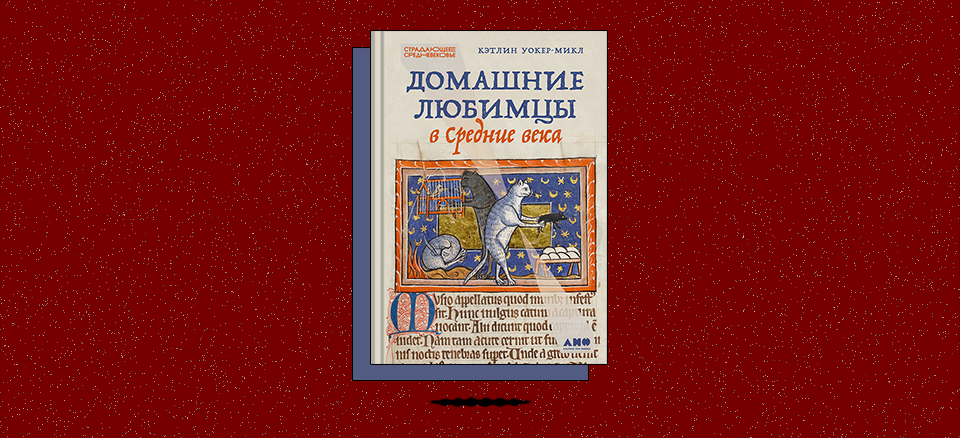
- Kathleen Walker-Mickle's book reveals the details
In medieval Europe, most domestic animals performed practical tasks: dogs guarded livestock and assisted in hunting, cats caught rodents, and horses were used in agriculture and transportation. Therefore, keeping animals without obvious benefit was considered a luxury available only to a small segment of society.
Nevertheless, the nobility and higher clergy developed a tradition of keeping animals as personal companions. Among the most popular 'companions' were small Spitz dogs, decorative cats, singing birds, and even exotic birds brought from distant lands. Such pets required little effort, and their appearance and behavior emphasized the owner's status.
The presence of a pet without an economic function became a kind of visual marker of wealth. Owners could afford expensive silk collars, lacquered bowls, and special treats unavailable to common people. Thus, the animal became an accessory that highlighted economic and cultural privilege.
Criticism of excessive care
Modern chronicles and moral treatises of that period often condemned such manifestations. Moralizers pointed out that excessive pampering of animals distracts the owner from religious duties and family matters, and is also considered wasteful in conditions where the majority of the population suffered from hunger and poverty.
Historian Kathleen Walker-Mickle in her book 'Pets in the Middle Ages', translated by Ekaterina Rakitina, provides examples of nobles feeding their dogs meat delicacies, dressing them in precious jewelry, and even organizing special celebrations in their honor. Such details allow us to see how greatly the perceptions of the role of animals varied across different social strata.
For most peasants, such manifestations seemed absurd and laughable. They believed that an animal that does not bring any benefit should not receive expensive gifts. Folk tales and proverbs often mention 'lavish owners' who spend money on their beasts, forgetting about the needs of people.
Nevertheless, it is such practices that laid the foundation for the modern culture of keeping animals as companions. Later, during the Renaissance, the idea of a pet as a family member became more widespread, and moral assessments softened. The medieval experience described by Walker-Mickle helps to understand how the relationship between humans and animals changed from purely utilitarian to emotional.
Source: N+1