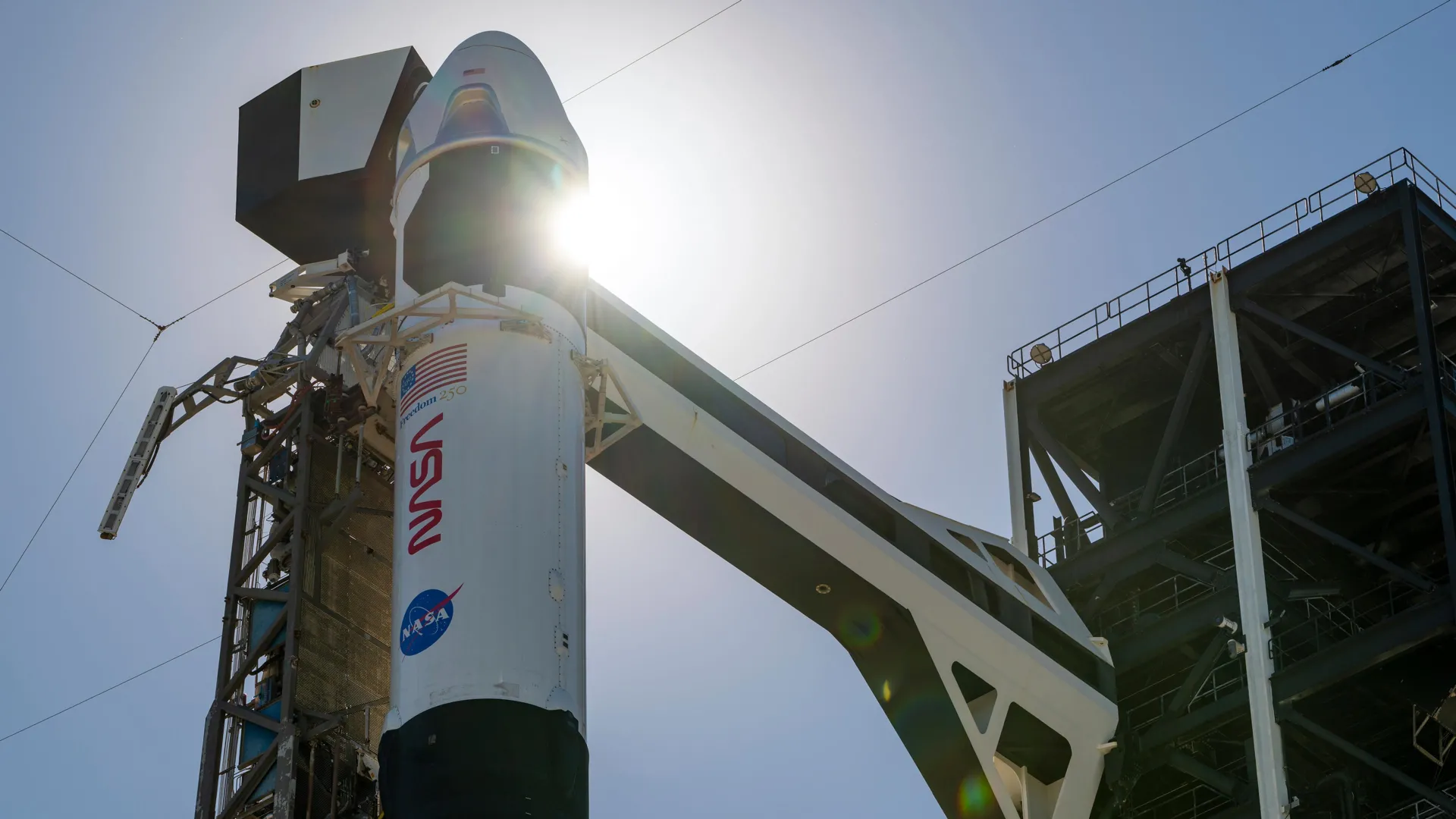
Launch of the Roman telescope on Falcon Heavy: new horizons for astronomy
- Falcon Heavy will launch the Roman telescope in late summer 2026.
- The observatory's field of view is one hundred times larger than that of Hubble.
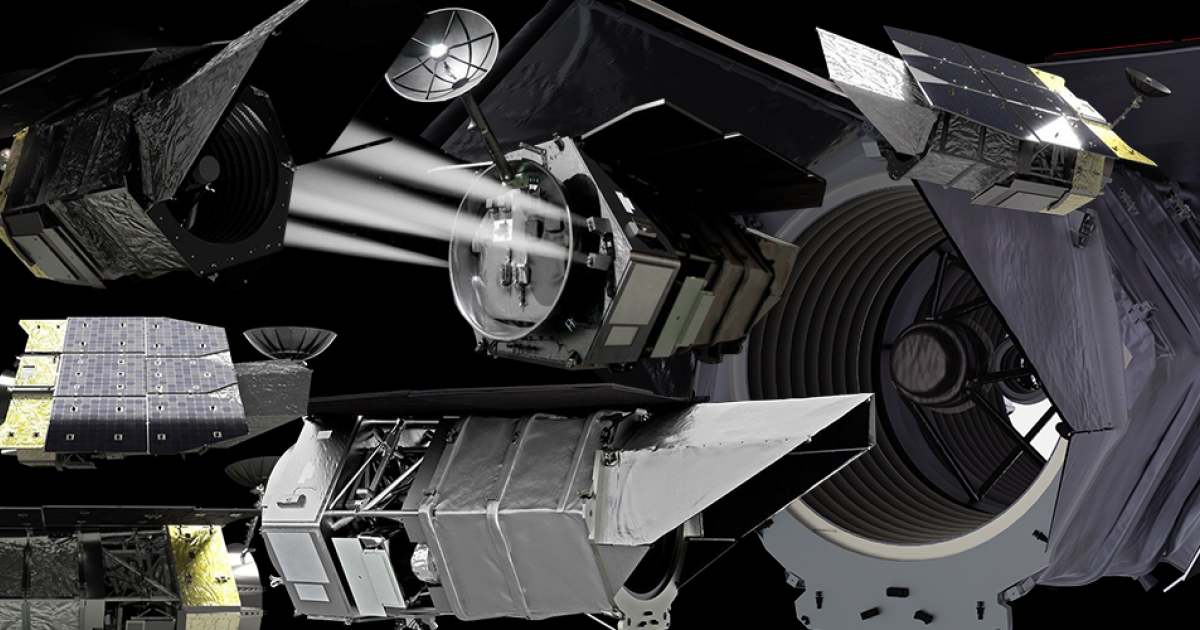
- The project uses decommissioned parts from military satellites.
- Roman will help study dark energy, exoplanets, and space debris.
On the penultimate day of summer 2026, the launch of the Falcon Heavy heavy-lift rocket, developed by SpaceX, with the Roman space observatory is planned. This is one of the most ambitious projects in astronomy in recent years, promising to open new opportunities for studying dark energy, exoplanets, and distant galaxies.
The Roman telescope, officially named after Nancy Grace Roman – a NASA pioneer nicknamed the 'mother of Hubble', has a field of view that exceeds existing optical observatories by one hundred times. This increase allows for a much larger portion of the sky to be covered in a single observation cycle, which will accelerate the collection of statistically significant data on the distribution of dark energy and speed up the search for exoplanetary systems.
Technically, Roman is a 2.4-meter infrared telescope with a wide field of view and highly efficient detectors. It will operate in the range from visible to near-infrared spectrum, making it a versatile tool for studying both nearby and distant cosmic objects.
Scientific Objectives
The main goals of the mission include precise measurement of the acceleration of the expansion of the Universe, investigation of the distribution of dark matter, as well as conducting large-scale surveys of exoplanetary systems. With its wide field of view, Roman will be able to perform deep scans of vast areas of the sky, significantly speeding up the process of mapping cosmic structures.
In addition to fundamental research, the telescope will support observations of transient astronomical phenomena, such as supernova explosions and gravitational lenses, providing valuable data for multi-messenger studies.
Reuse of military components
A feature of the project is the decision to use decommissioned parts from military satellites that have been retired under international disarmament agreements. Recycling these components helps reduce mission costs and decrease the amount of space debris, aligning with the global effort for a more peaceful use of outer space.
For Ukraine, this approach has additional significance: the demonstration of the peaceful repurposing of military technologies serves as a symbol of the transition from conflict to cooperation in the scientific field.
The launch of Falcon Heavy is scheduled from the Kennedy Space Center in Florida. After reaching orbit, the telescope will be positioned at the Lagrange point L2, where it will operate in stable conditions, minimizing the influence of terrestrial factors.
The first scientific results are expected to start coming in as early as 2027, and the full operation of the telescope will last for more than ten years. This will make Roman one of the key tools for addressing the most pressing issues in modern cosmology.
Thus, the launch of the Roman telescope on Falcon Heavy opens a new era in astronomical research, combining advanced technologies, efficient resource use, and peaceful scientific potential.
Source: N+1