Intravenous arginine did not accelerate resolution of sickle cell crisis in clinical trial
- Arginine infusion did not accelerate the resolution of SCD crises
- The dose of opioids and pain levels remained unchanged
- The study was conducted in the USA, published in JAMA
- Arginine is not recommended as a standard treatment for crises
Sickle cell anemia (SCD) remains one of the most severe hereditary hemoglobinopathies. In this disease, red blood cells take on a crescent shape, leading to their premature destruction and periodic pain episodes – so-called crises. Traditionally, treatment for crises is limited to pain relief, including opioids, and hydration support. In recent years, researchers have been looking for drugs that can accelerate the resolution of crises and reduce the need for opioids.
Purpose of the study
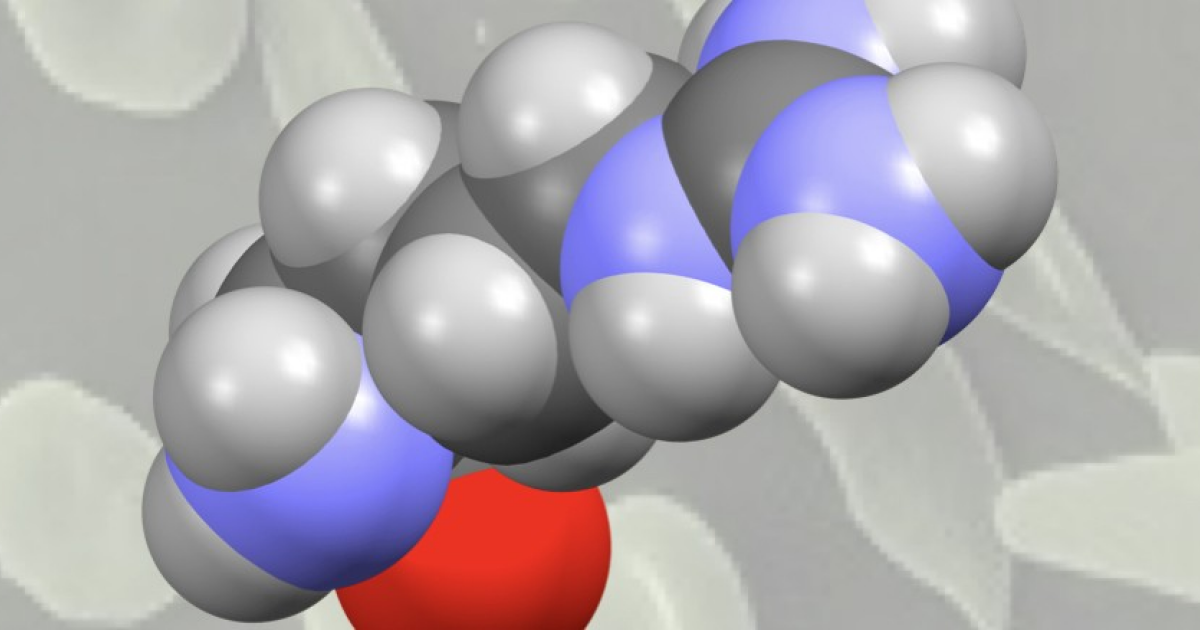
A group of American scientists conducted a randomized, double-blind study aimed at evaluating the effectiveness of intravenous administration of arginine – an amino acid involved in the synthesis of nitric oxide, a potential mediator of vascular tone – compared to placebo. The main endpoints were the time to complete resolution of the crisis, the dose of opioid analgesic consumed, and the subjective intensity of pain.
Methodology and participant composition
The study involved patients with a confirmed diagnosis of SCA who were experiencing acute pain crises. Participants were randomly assigned to two groups: one received an infusion of arginine in standard doses, while the other received an isotonic placebo solution. The duration of the crises was assessed from the moment the infusion began until the complete disappearance of pain symptoms, as recorded by doctors and patients.
Key results
Data analysis showed that the average time to crisis resolution in the group receiving arginine was not statistically significantly different from the placebo group. Furthermore, the amount of prescribed opioids and pain assessment on the visual analog scale (VAS) remained comparable between the groups. Thus, arginine did not demonstrate a clinically significant advantage in managing acute SCA crises.
Context and significance
The study results are important as they refute the hypothesis of a potential role for arginine in accelerating the recovery of vascular blood flow and reducing pain syndrome in patients with SCA. Despite the biological plausibility of the mechanism of action, the data obtained indicate the need for further search for effective therapeutic agents capable of reducing the severity of crises and opioid dependence.
Publication and next steps
The full text of the study is published in The Journal of the American Medical Association, highlighting its scientific significance and rigorous peer review process. The authors note that future research may focus on combined approaches involving other vascular tone modulators, as well as longer-term monitoring of patients.
For clinical practice, the findings mean that at this stage, arginine is not recommended as a standard means to accelerate the resolution of sickle cell crisis. Physicians are advised to continue using established pain management and supportive therapy protocols while keeping an eye on new data in the field of pharmacological management of SCD.
Source: N+1